
For routine visits, emergencies, and general enquiries
Get Direction
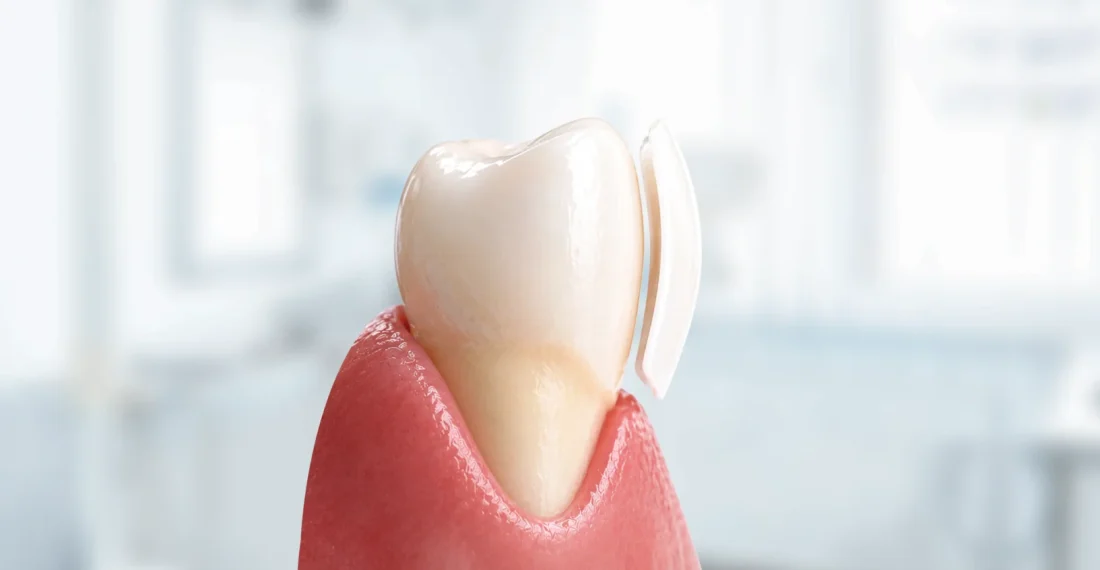
If you have been looking into ways to improve your smile, veneers have probably come up quickly in your research. They are one of the most widely used cosmetic dental treatments in Australia, and for good reason. A well-placed veneer can improve the colour, shape, or proportion of a tooth in a way that can look very natural.
The challenge most people face is understanding what actually separates porcelain from composite veneers, what realistic veneers cost looks like, and which option suits their situation. Pricing varies widely depending on the material, the number of teeth involved, and the clinic. Information online is often vague, inconsistent, or written with a specific product in mind.
This guide covers both types in detail, including how each is made, what they cost, how long they last, and what caring for them involves on a daily basis. If you are comparing options before booking a consultation, this is the right place to start. You can also visit our dental veneers page if you want to go straight to treatment information specific to our clinic.
Before comparing materials and costs, it helps to understand what a veneer is and what it can realistically achieve.
A dental veneer is a thin shell bonded to the front surface of a tooth. The shell covers visible cosmetic imperfections while leaving the underlying tooth structure largely intact. Veneers are a cosmetic treatment. Their primary purpose is improving appearance rather than restoring damaged tooth function or treating disease.
Veneers are commonly considered for:
It is equally important to understand their limits. Veneers are generally not suitable for:
A dentist will assess all of these factors before recommending veneers as an appropriate treatment option. Good clinical practice is to complete a thorough examination before any cosmetic dental treatment, to confirm that the underlying teeth and gums are healthy enough to support it.
Porcelain veneers are thin ceramic shells custom fabricated in a dental laboratory. Each veneer is designed and colour-matched to complement the surrounding teeth before being permanently bonded to the front surface of the prepared tooth.
The process typically involves at least two clinical appointments. At the first, the dentist removes a small, precise amount of enamel from the front of the tooth to create space for the veneer. Impressions or digital scans are taken and sent to a dental laboratory where the veneer is individually fabricated. A temporary covering is usually placed while the permanent veneer is being made. At the second appointment, the finished veneer is bonded to the tooth, assessed for fit and bite comfort, and polished.
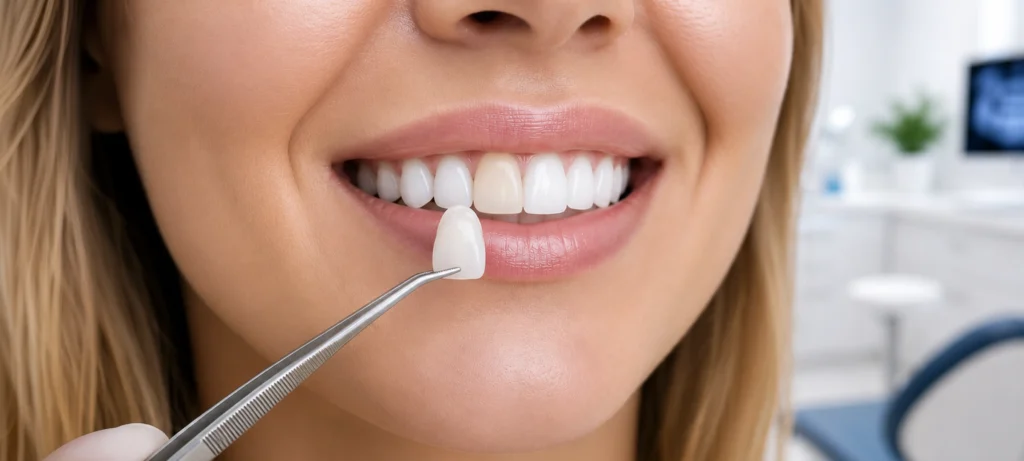
Porcelain veneers are generally suited to patients seeking a longer-term cosmetic result who are comfortable with a multi-appointment process and understand the commitment involved.
Porcelain veneers typically cost more than composite veneers because of the laboratory fabrication involved, the skill required for placement, and the additional appointments needed. In Australia, porcelain veneers can range from approximately $1,500 to $2,500 per tooth, though this varies considerably depending on the clinic, your location, and the complexity of your case.
For a smile involving six to eight front teeth, the total cost can be significant. Your dentist will provide a specific estimate after assessing your teeth and discussing your goals. Costs provided here are general figures only and should not be treated as a quote.
Composite veneers are made from tooth-coloured resin, the same type of material used in modern tooth-coloured fillings. Unlike porcelain, composite resin is applied directly to the tooth by the dentist during the appointment and shaped by hand before being hardened and polished.
Because the resin is sculpted directly onto the tooth, composite veneers usually require little to no removal of tooth enamel. The dentist applies the resin in layers, building and shaping each one until the desired colour and form are achieved. The material is then hardened with a curing light and polished to a smooth finish. In straightforward cases, this can be completed in a single visit.
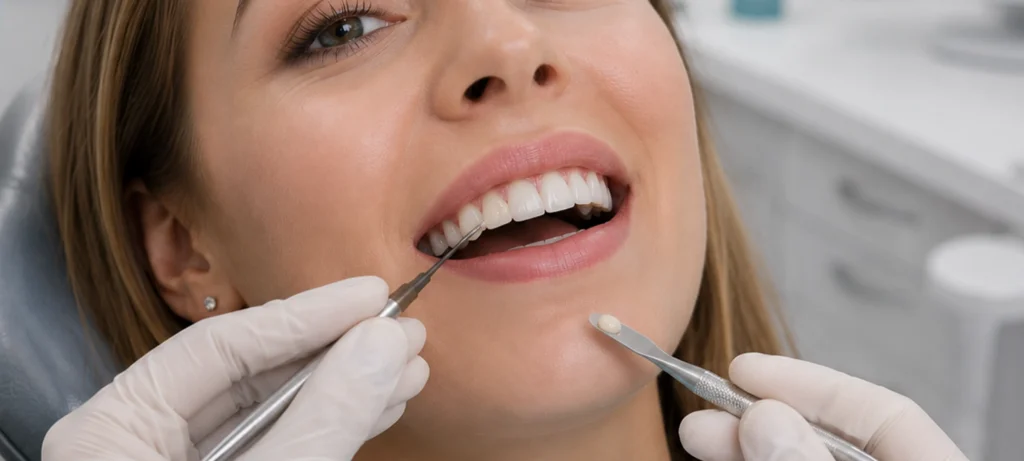
Composite veneers are well suited to patients who want a meaningful cosmetic improvement without committing to the cost or the irreversible nature of porcelain preparation.
Composite veneers typically range from approximately $300 to $1,500 per tooth in Australia. The variation depends on the number of teeth being treated, the complexity of the work involved, and the experience of the dentist. These figures are general ranges only. Your dentist will provide a personalised cost estimate following an assessment of your specific situation.
Understanding the difference between these two options comes down to several practical areas. Here is a straightforward comparison to help you think through the decision before your consultation.
Both materials can produce natural-looking results in experienced hands. Porcelain has a slight advantage in replicating the translucency of natural enamel, particularly when multiple teeth are being treated and a seamless blend across the smile is the goal. High-quality composite work by an experienced dentist can also look very good, especially for individual teeth or smaller cosmetic corrections.
This is one of the most significant practical differences between the two materials. Porcelain is harder and more resistant to staining and surface wear over time. Composite resin is softer and more susceptible to chipping, gradual staining, and surface degradation, particularly with habits such as biting nails, chewing on hard objects, or drinking large amounts of staining beverages regularly.
Composite veneers are more affordable upfront. However, because they may need to be refinished or replaced sooner than porcelain, the long-term cost difference can narrow over time. A realistic approach is to consider the cost per year of expected lifespan alongside the upfront figure, rather than comparing the initial prices alone.
Composite veneers are generally considered more reversible because minimal enamel is removed during preparation. Porcelain veneers involve a small but permanent reduction of enamel, which means the tooth will always need to be covered by some form of restoration going forward. This is an important consideration for any patient thinking about long-term commitment.
If a composite veneer chips or develops a surface issue, it can often be repaired at the clinic with additional resin, without replacing the entire veneer. A damaged porcelain veneer is more difficult to repair seamlessly and may require full replacement of the shell, which adds to the longer-term cost in the event of damage.
Composite veneers are typically completed in one appointment for straightforward cases. Porcelain veneers require at least two appointments, with laboratory fabrication time in between. Some cases may also require additional planning appointments depending on the complexity of the treatment.
When people research veneers cost in Australia, they often find a wide range of figures that seem impossible to compare directly. The reason prices vary so much comes down to several factors that are specific to each patient and each clinic.
The table below provides general indicative ranges only. These figures should not be treated as quotes and will vary depending on your individual case and treating dentist.
Type | Approximate Cost Per Tooth | Approximate Cost for 6 to 8 Teeth |
Composite veneers | $300 to $1,500 | $2,000 to $12,000 |
Porcelain veneers | $1,500 to $2,500 | $9,000 to $20,000 |
Your dentist will provide a personalised written estimate after assessing your teeth, discussing your goals, and confirming the treatment approach.
In most cases, veneers are classified as a cosmetic dental treatment. This generally means they are not covered by Medicare and are not routinely covered by private health insurance. Some extras or major dental policies may offer a partial rebate in specific clinical circumstances, but patients should not assume coverage without checking directly with their fund.
The Australian Government private health insurance guide is a useful starting point for understanding what different policy types cover. Always contact your health fund before your appointment to confirm what your specific level of cover includes. Our payment options page outlines the funds we accept and the payment options available to patients at our clinic.
This is one of the most important questions to ask before committing to any veneer treatment. The honest answer depends on the type of veneer and how the teeth were prepared.
Because a small amount of enamel is removed during preparation for porcelain veneers, the tooth is permanently altered. Once this enamel is removed, it does not grow back. This means the tooth will always need to be covered by a veneer or another restoration going forward. The veneers themselves are not permanent and will need to be replaced at some point over time, but the tooth preparation that was required to place them is irreversible.
This is not a reason to avoid porcelain veneers, but it is something patients should fully understand and discuss with their dentist before proceeding.
Composite veneers are a different situation. Because they are placed with minimal enamel removal in most cases, the procedure is largely reversible. The resin can be removed and the tooth returned to a condition close to its original state. This makes composite veneers a good starting point for patients who want to experience the result of veneers before committing to the permanent preparation involved in porcelain.
A common concern is what the natural teeth look like beneath veneers and what happens to them over time. When veneers are placed on healthy, well-prepared teeth by a skilled and registered dentist, the underlying teeth remain largely intact. Veneers do not damage healthy teeth when the process is carried out correctly and the patient maintains good oral hygiene.
The key is ensuring the teeth and gums are in good health before treatment begins and maintaining proper care throughout the life of the veneers. Decay and gum disease can still develop at the margins of a veneer or on adjacent teeth if oral hygiene is neglected after placement.
How long veneers last is one of the most commonly searched questions in this space. The answer varies between materials and depends heavily on how well the veneers are maintained.
With proper care, porcelain veneers can last many years. Clinical studies and long-term patient data suggest ten to fifteen years or more is achievable in many cases, though individual results will vary. The ceramic material is hard, resistant to staining, and does not degrade significantly with normal use and good oral hygiene. The main factors that can shorten the lifespan of porcelain veneers include trauma to the tooth, untreated grinding, and deterioration at the bonding margin over time.
Composite veneers have a shorter expected lifespan than porcelain in most cases. Many patients find composite veneers benefit from refinishing or replacement after five to seven years, though this varies depending on individual habits and how well the veneers are maintained. The resin material is softer than porcelain and more susceptible to surface staining, minor chipping, and gradual wear over time.
Regardless of material, the factors that most influence veneer longevity are:
Good veneer care is straightforward and not significantly different from maintaining good oral hygiene generally. The main adjustments involve being mindful of certain habits that can accelerate wear or staining, particularly for composite veneers.
Composite veneers are more porous than porcelain and will absorb staining from coffee, tea, red wine, and certain foods gradually over time. Regular professional polishing at your routine dental visits can help manage this and extend the appearance of your composite veneers. Porcelain veneers are much more resistant to staining and generally hold their colour well across their lifespan.
Understanding whether veneers are the appropriate treatment comes down to the condition of your teeth, your cosmetic goals, and your budget.
Veneers may be worth discussing with your dentist if:
Veneers may not be recommended if:
Your dentist will assess all of these factors at a consultation and recommend the most appropriate pathway for your situation. For a full overview of cosmetic treatments available, visit our cosmetic dentistry page.
Warner Dental offers porcelain and composite veneer consultations from our clinic in Warner, serving patients across the Moreton Bay region. We see patients from across the surrounding area, including those looking for a dentist near Bray Park, a dentist near Lawnton, and a dentist near Cashmere.
At a veneer consultation, we assess the health of your teeth and gums, discuss your cosmetic goals, and walk you through the options that are appropriate for your individual situation. Costs are explained clearly and upfront, without pressure, so you can take your time to make an informed decision.
To book a consultation or ask a question, call us on (07) 3882 3200 or visit our dental veneers page to learn more about what we offer at our clinic.
When choosing a clinic for any cosmetic dental treatment, it is worth confirming that your treating dentist is fully registered with AHPRA. Registration can be verified online and is a straightforward step that protects you as a patient.
Note: All information here is general in nature. Veneers are not suitable for every patient. A thorough clinical assessment is required before any recommendation can be made. Cost figures are general estimates only and are not quotes. Outcomes vary between individuals and no result can be guaranteed. Treatment is provided by registered dental practitioners only.
FAQs
Veneers cost in Australia varies depending on the material, the number of teeth, and the clinic. Composite veneers can range from approximately $300 to $1,500 per tooth. Porcelain veneers can range from approximately $1,500 to $2,500 per tooth. These are general indicative figures only. Your dentist will provide a personalised cost estimate following a clinical assessment.
A full set typically refers to the six to eight most visible front teeth. For composite veneers, indicative costs for a full set may range from around $2,000 to $12,000. For porcelain veneers, a full set can cost $9,000 to $20,000 or more depending on the clinic and the complexity of the treatment. These figures should be used as a general guide only and not as a quote.
Porcelain veneers are custom-made ceramic shells fabricated in a dental laboratory and permanently bonded to the tooth. They are more durable, more resistant to staining, and generally longer lasting, but cost more and require at least two appointments. Composite veneers are made from tooth-coloured resin applied directly to the tooth in a single visit. They are more affordable and easier to repair but are more prone to staining and have a shorter expected lifespan.
With proper care and maintenance, porcelain veneers can last ten to fifteen years or more in many cases. Individual results vary and depend on oral hygiene habits, diet, whether grinding is present and managed, and the quality of the original placement. Regular dental check-ups help your dentist monitor the condition of the veneers over time.
Composite veneers generally last between five and seven years before refinishing or replacement becomes beneficial, though this varies between patients. Good oral hygiene, limiting staining foods and drinks, and attending regular dental visits all help extend their lifespan and maintain their appearance.
Composite veneers involve minimal enamel removal and are largely reversible in most cases. Porcelain veneers require a small amount of enamel to be permanently removed during preparation. Because enamel does not regenerate, the tooth will always require a veneer or other restoration once it has been prepared for porcelain. This is an important distinction to discuss thoroughly with your dentist before committing to treatment.
When veneers are placed correctly on healthy teeth by a registered dentist, the underlying tooth remains largely intact. Good oral hygiene is still essential because decay and gum disease can develop at the veneer margins or on surrounding teeth if proper care is not maintained. Regular dental visits allow your dentist to assess the health of both the veneers and the teeth beneath them.
When veneers are recommended for appropriate candidates, placed by an experienced and registered dentist, and properly maintained, they are not harmful to teeth. Risks are more likely to arise when veneers are placed on teeth with untreated decay or gum disease, when oral hygiene is poor after placement, or when significant grinding is not addressed with protective measures.
Veneers are generally classified as a cosmetic dental treatment and are not covered by Medicare. Coverage under private health insurance depends on your specific policy and fund. Some extras cover policies may provide a partial rebate in certain circumstances, but patients should not assume coverage. The Australian Government private health insurance guide is a useful starting point. Contact your fund directly before your appointment to confirm what your policy covers.
The right choice depends on your budget, the number of teeth involved, how long you want the result to last, and how you feel about the irreversible enamel preparation required for porcelain. Composite is a good option for patients wanting a more affordable and largely reversible starting point. Porcelain suits patients seeking a longer-term cosmetic result who are comfortable with the preparation involved. Your dentist will guide you through this decision at a consultation based on the condition of your teeth and your goals.
Porcelain veneers are highly resistant to staining and generally hold their colour well across their lifespan. Composite veneers are more porous and will gradually absorb staining from coffee, tea, red wine, and similar foods and drinks. Regular professional polishing at your dental visits helps manage staining on composite veneers and can extend their appearance significantly.
Brush twice daily with a soft-bristled toothbrush and a non-abrasive toothpaste. Floss daily, taking care at the gumline around each veneer. Attend professional check-ups and cleans as recommended by your dentist, typically every six months. Avoid biting hard objects, using teeth as tools, and abrasive products. If you grind at night, wear a night guard as directed by your dentist.
Veneers can improve the appearance of minor irregularities and slight spacing concerns, but they are not a substitute for orthodontic treatment. If the misalignment is significant, clear aligners or another orthodontic option may be more appropriate. Your dentist will assess whether veneers can achieve your cosmetic goals or whether another treatment should come first.
Composite veneers can often be completed in a single appointment for straightforward cases. Porcelain veneers require at least two appointments, with laboratory fabrication time between them. Some cases may need additional visits for planning, shade selection, or review depending on the complexity of the treatment involved.