
For routine visits, emergencies, and general enquiries
Get Direction
General Dentistry
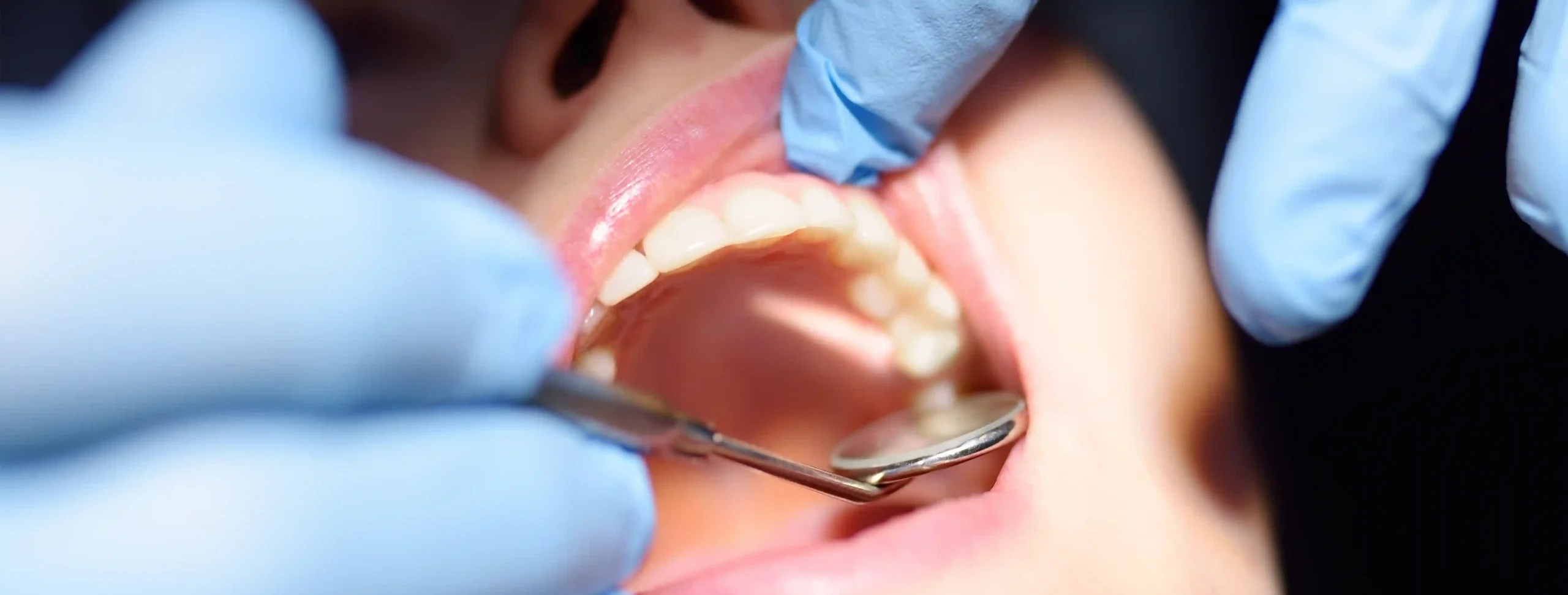
If your teeth look flatter than they used to, feel more sensitive, or have started to yellow at the edges, you may be dealing with tooth wear. It builds up slowly, so it is easy to miss until it starts to bother you. The good news is that once you know the cause, further damage can usually be slowed or stopped.
At Warner Dental we assess worn and eroded teeth for patients across Warner and North Brisbane, find what is driving it, and set out a plan to protect and, where needed, restore your teeth. Suitability is confirmed at your visit. Outcomes vary between patients, and this page is general information, not a diagnosis.
Tooth wear is the gradual loss of enamel and tooth structure over time. Unlike a cavity, it is not caused by bacteria. It comes from physical force or acid instead.
Because enamel is the hard outer shell that protects each tooth, losing it leaves teeth weaker, more sensitive, and more prone to further damage. Catching it early usually means simpler treatment.
This is a common question, so here is the honest answer. Enamel is not living tissue, so once it is worn away it does not grow back, and no toothpaste or home remedy can rebuild it.
There is an important exception. When enamel is only softened in its earliest stage, it can often be re-hardened through a natural process called remineralisation, helped along by fluoride and your own saliva. That is why early action matters. Catch it early and you may protect the enamel you have. Once loss is more advanced, the answer is restoring the tooth rather than regrowing it.
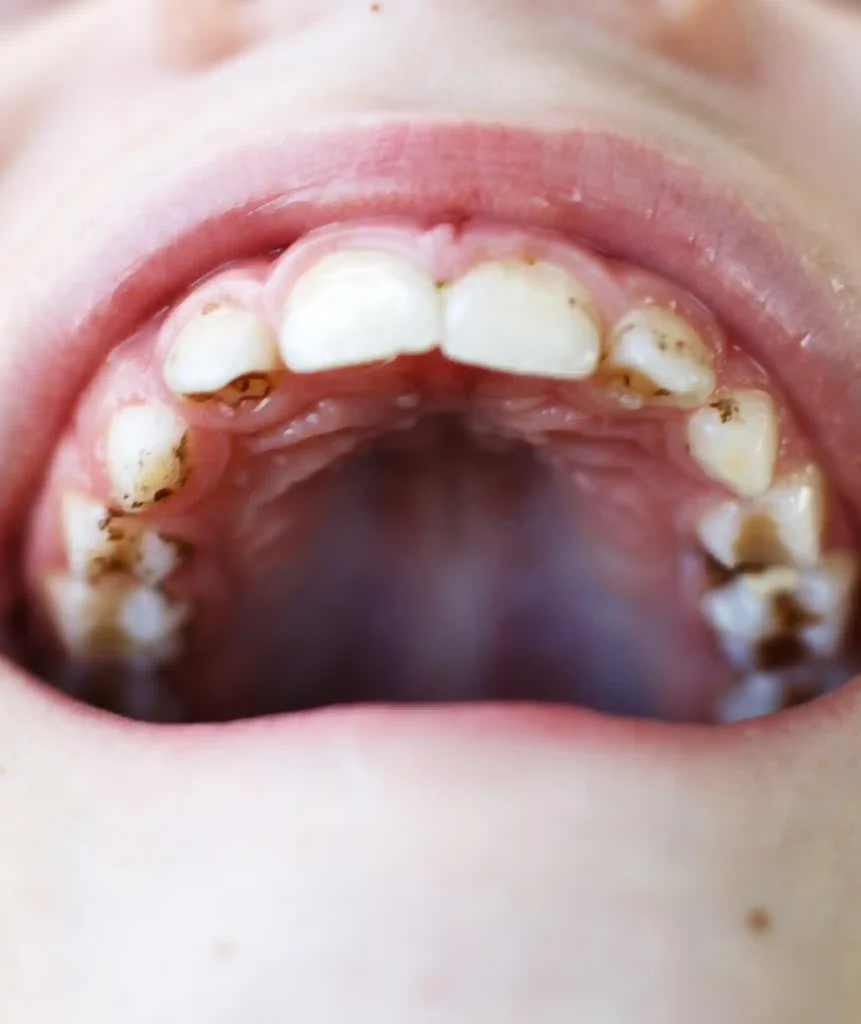
Knowing the cause guides the right treatment. There are four main patterns, and some people have more than one.
Wear from tooth grinding against tooth, often linked to grinding or clenching. It tends to flatten or shorten the teeth.
Wear from acid dissolving the enamel. It is linked to acidic drinks, citrus, or reflux, and leaves smooth or cupped surfaces.
Wear from an outside force, such as brushing too hard. It often shows up as notches near the gumline.
Wear from bite stress flexing the tooth, creating small wedge-shaped notches at the gum margin.
You may have tooth wear or acid erosion if you notice:
A professional assessment shows how far it has progressed and what is causing it.
Treatment depends on the cause, how advanced the wear is, and your risk factors. It usually starts with finding the cause, then protecting the teeth, and restoring them only where needed.
For more advanced wear, options may include tooth-coloured fillings, composite bonding, dental crowns, or dental veneers. Where wear is widespread and the bite is affected, full mouth rehabilitation may be discussed. The aim throughout is to keep as much of your natural tooth as possible.
Restoring worn teeth without addressing what caused the wear tends to lead back to the same problem. So the cause comes first.
If acid erosion is linked to a medical factor such as reflux, we may suggest working alongside your GP or a specialist. If grinding is the driver, protecting the teeth at night is part of the plan. Managing the cause is what gives your teeth lasting stability.
Tooth wear is progressive, which means it continues if nothing changes. Left unmanaged, it can lead to:
Acting early often means gentler, more conservative care.
There is no single price, because treatment ranges from preventive advice and a night guard through to restorations such as fillings, crowns, or veneers. Your health fund cover also affects what you pay out of pocket.
After your assessment, you receive an itemised written treatment plan, so you can see what is involved before deciding how to proceed.
If you are concerned about worn, sensitive, or eroding teeth, an early assessment can help protect them and prevent further damage. Book a consultation or call (07) 3882 3200.
This information is general in nature and does not replace personalised dental or medical advice.
Protect your smile with regular care at Warner Dental.
FAQs
The wear itself cannot be undone, because lost enamel does not grow back. What can change is the future. Once the cause is managed, further wear can usually be slowed or stopped, and worn teeth can be restored. Early enamel softening, before structure is lost, can sometimes be re-hardened through remineralisation.
As enamel wears away, the softer, more sensitive layer beneath it becomes exposed, which is why worn teeth often react to hot, cold, or sweet foods. Sensitivity is a common early sign of wear, so it is worth having checked rather than simply switching toothpaste and hoping it settles.
Yes. Frequent acid from soft drinks, sports drinks, citrus, and even sparkling water can soften and gradually dissolve enamel over time. It is often less about the amount and more about how often your teeth meet acid. Small changes, like using a straw or rinsing with water, can make a real difference.
Worn teeth can already be sensitive, and whitening is not always appropriate until the wear has been assessed. It is best to have your enamel checked first, so any whitening is done safely and at the right time. Your dentist can advise what suits your teeth.
A custom night guard sits between your upper and lower teeth while you sleep, so the grinding forces land on the guard instead of your enamel. It does not stop grinding, but it protects your teeth from the damage it causes and can ease pressure on your jaw.
Not necessarily. Many cases are managed with prevention and smaller restorations such as fillings or bonding. Crowns are usually reserved for teeth that are significantly worn or weakened. The right option depends on how advanced the wear is, which is confirmed at your assessment.
They can. Grinding is common in children and often settles on its own, while frequent acidic drinks can erode young enamel. If you notice flattened or sensitive teeth in your child, mention it at their check-up so it can be monitored and managed if needed.
A cavity is decay caused by bacteria producing acid on the tooth. Tooth wear is loss of tooth structure from force or dietary and stomach acid, without decay. They can look similar and sometimes occur together, so a professional assessment is the reliable way to tell them apart.
Thorough examination, professional clean, and fluoride application to maintain healthy teeth and gums.
Protective coatings applied to back teeth to reduce the risk of decay.
Custom-fitted appliances for sports protection and management of teeth grinding (bruxism).
Compassionate, patient-focused care for those who feel nervous about dental treatment.
Clear, detailed assessments to help you make informed decisions about your dental health.
Assessment and treatment of enamel wear caused by grinding, acid erosion, or ageing.
Saving infected or damaged teeth by removing infection and restoring strength.
Natural-looking restorations to repair cavities and protect tooth structure.
Custom-made restorations to strengthen and protect weakened teeth.
Replacing missing teeth to restore function and maintain alignment.
Removable options to replace multiple or all missing teeth and improve chewing ability.