
For routine visits, emergencies, and general enquiries
Get Direction
Space Maintainers for Children
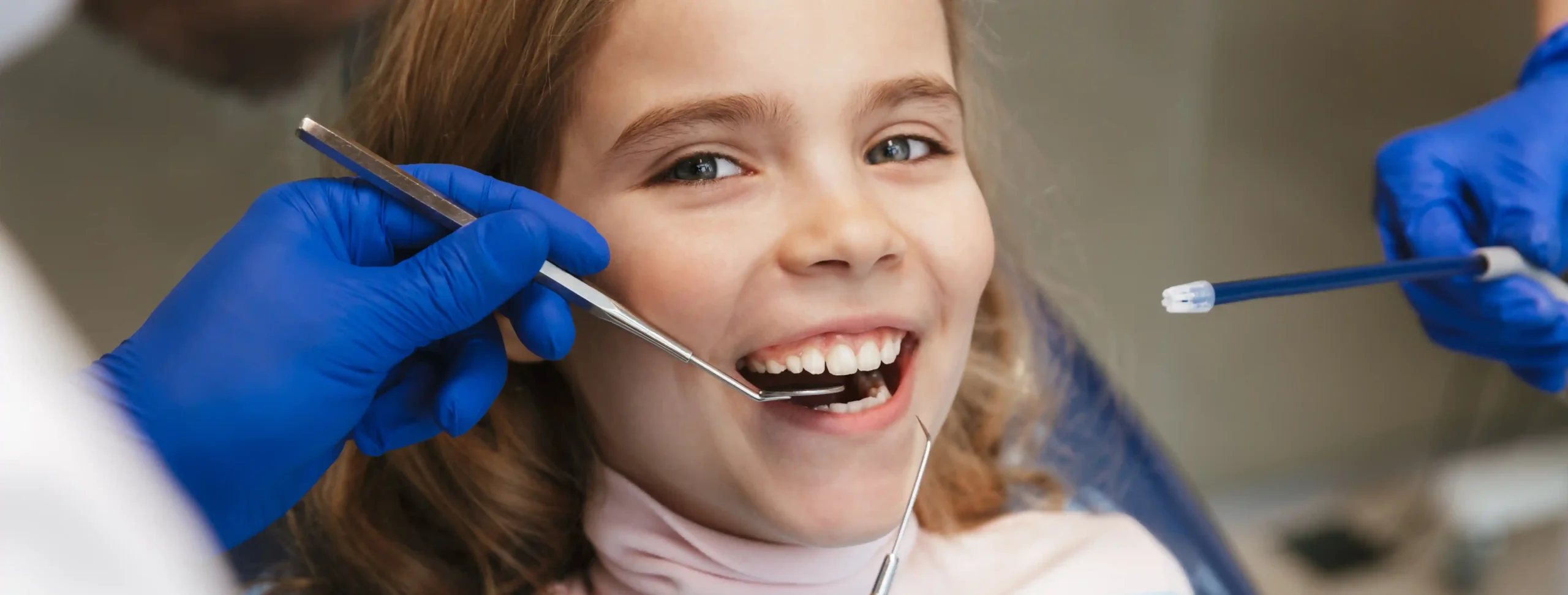
A space maintainer is a small dental appliance used to hold open the gap left when a baby tooth is lost too early. Its purpose is simple but important: to help guide the developing adult tooth into its correct position.
By keeping the space open, a space maintainer stops the neighbouring teeth from drifting into the gap, which helps reduce the risk of crowding and more complex orthodontic problems later. At Warner Dental in Warner and North Brisbane, we assess your child after early tooth loss to determine whether a space maintainer is needed, as part of our children’s dentistry care. Book a consultation or call (07) 3882 3200.
Baby teeth do more than help a child chew. They act as natural guides for the permanent teeth coming through underneath. When a baby tooth is lost early, that guide is gone, and the surrounding teeth can shift into the gap.
This can lead to:
The earlier a baby tooth is lost, the greater the potential effect on spacing and jaw development. A space maintainer helps preserve the space until the permanent tooth is ready to come through.
Space maintainers fall into two main groups, fixed and removable. The right choice depends on your child’s age, how many teeth are involved, and how well they are likely to manage the appliance.
A fixed space maintainer is cemented onto the teeth either side of the gap and stays in place until the dentist removes it. Because there is nothing for the child to take out or lose, it needs little daily management and gives continuous protection of the space.
Fixed maintainers are often made from stainless steel and custom-fitted, and they are commonly used for younger children or when the gap needs reliable, ongoing support.
A removable space maintainer works in a similar way to an orthodontic retainer and can be taken out for cleaning. It may suit an older child who can look after it, or situations where more than one tooth is missing. It relies on being worn consistently to stay effective, so it depends more on the child’s cooperation.
Your dentist will recommend the most suitable option after examining your child. There are several specific designs within these two groups, and you can read a fuller explanation of each in our guide to the types of space maintainers.
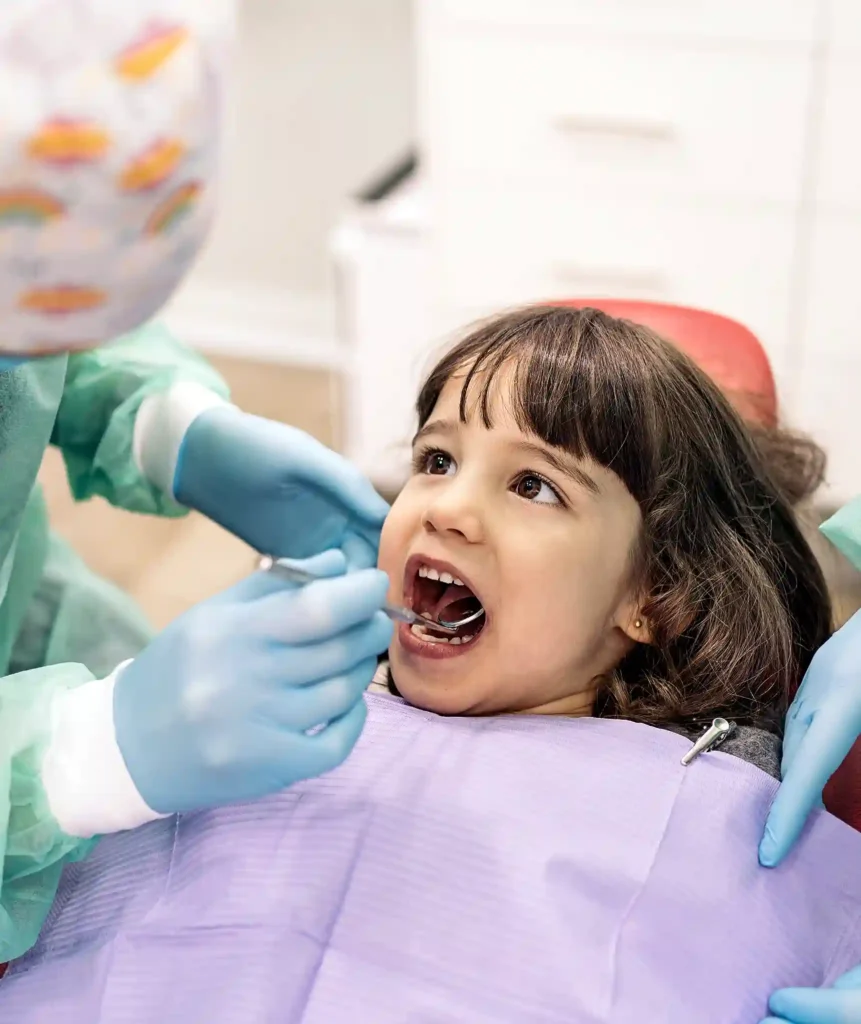
A space maintainer usually stays in place until the permanent tooth begins to come through naturally. Regular monitoring keeps the fit and function correct over that time.
Between visits, it helps to watch for:
Keeping up a regular routine check-up and clean allows us to check the appliance and your child’s dental development at the same time.
The cost of a space maintainer depends on the type recommended, the number of teeth involved, and the individual clinical situation. We provide a clear, itemised estimate after examining your child, so you understand the cost before proceeding. Eligible children may also be able to access bulk billing for eligible children through the Child Dental Benefits Schedule, which we can check for you.
Space maintainers play a preventive role in children’s dental care. By helping keep the teeth aligned during growth, they can reduce the likelihood of crowding and may help simplify or reduce the need for orthodontic treatment later. An early assessment after baby tooth loss helps make sure the right care is provided at the right time. Outcomes vary between children, and all treatments carry some risk of complications, which your dentist will discuss with you.
If your child has lost a baby tooth early, an early dental assessment can help determine whether a space maintainer is needed to protect proper tooth alignment and support healthy development. Book a consultation or call (07) 3882 3200.
Protect your smile with regular care at Warner Dental.
FAQs
No, not every child does. Whether one is needed depends on which tooth was lost, how early it was lost, and how the permanent tooth underneath is developing. In some cases the adult tooth is due to come through soon and no appliance is needed. An assessment with an examination and, if required, an X-ray helps decide whether a space maintainer is appropriate for your child.
Neither is better in every case, as they suit different situations. A fixed maintainer is cemented in and needs little daily management, which often suits younger children. A removable one can be taken out for cleaning and may suit an older, more responsible child or where several teeth are involved. Your dentist will recommend the option best suited to your child’s age and needs.
A space maintainer helps preserve the natural spacing after early tooth loss, which can reduce the chance of crowding and may help simplify future orthodontic treatment. It cannot guarantee that braces will not be needed, as this depends on your child’s overall dental development. It is a preventive step that keeps the space available while the adult teeth come through.
Your child should keep brushing carefully around the appliance and avoid sticky or hard foods that could loosen or damage it, such as chewing gum and hard lollies. For a removable maintainer, it should be cleaned as directed and worn consistently to stay effective. We will show you and your child exactly how to care for their specific appliance.
At regular review appointments we check that the appliance is secure, that it still fits well as your child grows, and that the surrounding teeth and gums are healthy. We also monitor the permanent tooth underneath so the maintainer can be removed at the right time. Keeping these appointments is the best way to ensure it keeps doing its job.
There is no single price, as it depends on the type of appliance and your child’s individual situation. We provide an itemised estimate after the consultation so you know the cost in advance. Eligible children may be able to have treatment bulk billed through the Child Dental Benefits Schedule, which we are happy to check for you.
Services
Routine examinations and professional cleaning for children to monitor oral development and maintain healthy teeth and gums.
Preventive treatments such as fluoride applications and oral hygiene education to help reduce the risk of tooth decay.
Custom appliances used to hold space for permanent teeth when baby teeth are lost prematurely.
Durable crowns used to restore and protect severely decayed or damaged baby teeth.
Eligible children may access dental care through the Child Dental Benefits Schedule (CDBS), which may cover certain dental services depending on eligibility.