
For routine visits, emergencies, and general enquiries
Get Direction
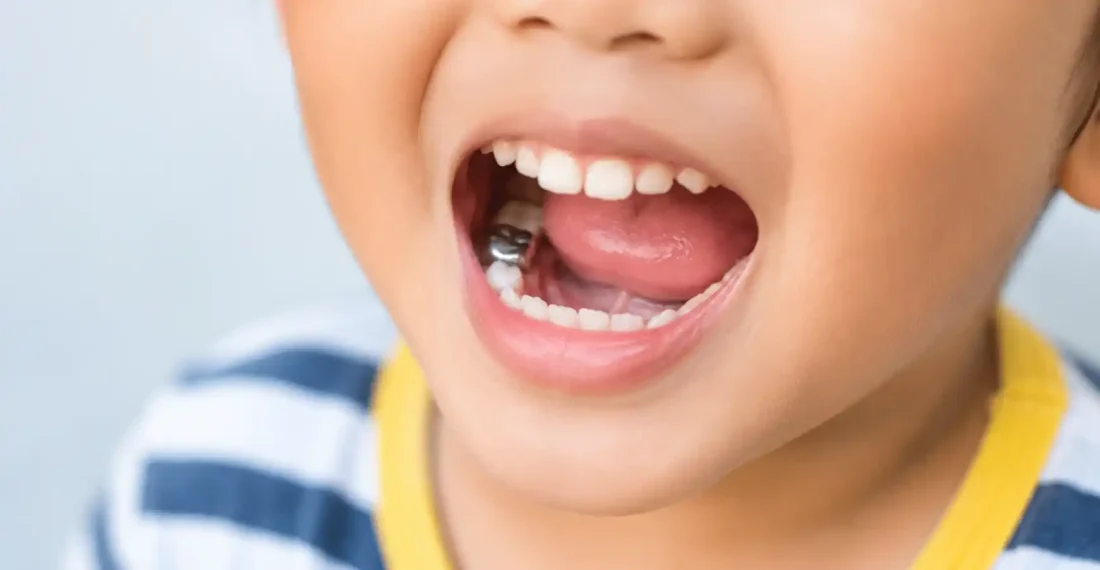
When a dentist recommends a stainless steel crown for your child, it is natural to want to understand what that means. You may have heard these crowns called silver caps. You might also be wondering why a baby tooth needs a crown at all when it will fall out in a few years anyway.
This guide answers those questions in clear terms. It explains what stainless steel crowns for kids are, whether they are considered safe, the side effects worth watching for, how long one usually lasts, and why dentists still use them today. It is written as general information to help you feel prepared before or after a dental visit.
Because every child’s teeth are different, the decision about whether a crown is suitable, and which type to use, is one a dentist makes after an examination. Use this guide as a helpful starting point rather than a substitute for that professional assessment.
A stainless steel crown is a pre-formed metal cap that fits over a child’s tooth to cover and protect it. Dentists most often use one after decay or damage that a standard filling cannot fully restore. In children’s dentistry, stainless steel crowns for kids are among the more common ways to restore a tooth that needs more than a simple filling can offer.
The crown sits over the whole visible part of the tooth and restores its shape, so your child can bite and chew comfortably. Crowns come in a range of sizes, and the dentist selects and adjusts one to fit the individual tooth.
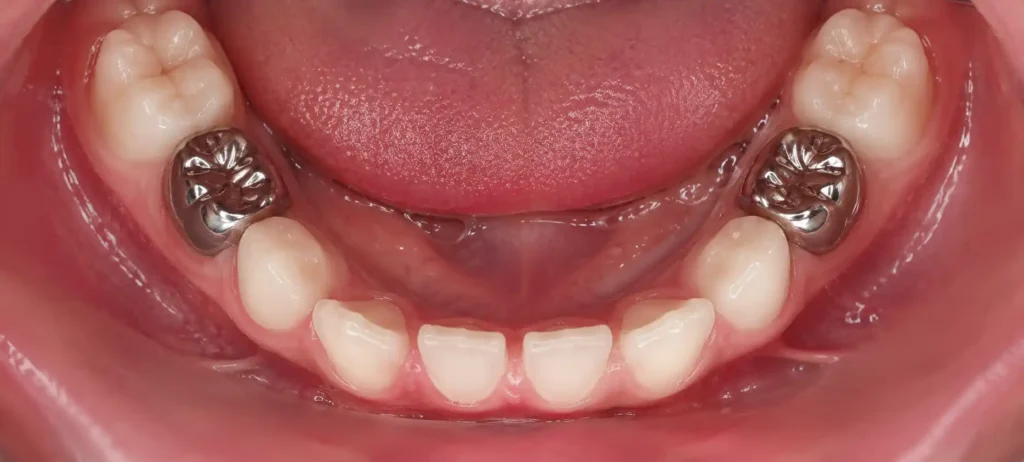
They are used widely across paediatric dentistry, particularly on the back teeth that carry the heaviest chewing load and benefit most from full coverage.
You can read more about what the treatment involves, and the alternatives that may be considered, on the stainless steel crown treatment page.
Safety is usually the first thing parents ask about. Stainless steel crowns have a long history in children’s dentistry and are a well established way to restore a decayed or damaged baby tooth. General information about children’s oral health and dental care is available through peak bodies such as the Australian Dental Association.
Stainless steel crowns are an established restorative option in children’s dentistry, though suitability depends on the individual tooth and the child.
Before recommending one, the dentist assesses each child individually. The main things they consider are:
One reason crowns are often chosen for children is that they cover the whole tooth in one piece. A large filling in a small tooth can leave thin walls of enamel that may crack or decay again later. A crown protects the entire surface instead, which can mean fewer repeat visits for the same tooth. This is a general point rather than a promise, since every tooth behaves differently.
No dental treatment is suitable for absolutely every child, and some may have specific considerations that shape the plan. This is why a dentist will talk through the reasoning with you rather than applying a fixed rule.
If you have a particular concern, the most reliable step is to raise it with the treating dentist, who can explain how it applies to your child. General guidance on children’s oral health is also available through healthdirect Australia.
Knowing what can happen helps you feel prepared rather than anxious. Many children adjust to a crown without significant problems, although some may experience temporary sensitivity or tenderness.
In the first days after fitting, some children notice minor changes such as:
These usually ease as your child adjusts to the crown, often within the first week.
It can help to know roughly how that first week tends to look:
This is a general pattern rather than a fixed timeline. Some children adjust faster, while others take a little longer.
Less commonly, a couple of other issues can appear over time:
Consistent brushing and regular check ups help reduce both. In rare cases a child may react to metal, which is covered in the FAQ below.
Many children experience none of these, so the list is simply there to tell you what to keep an eye on rather than to suggest problems are likely. Noticing something early usually makes it simpler to manage. If something feels uncomfortable, persistent, or unusual after a crown is fitted, it is best to have it looked at by your child’s dentist rather than relying on general information to judge it.
Many parents wonder why a baby tooth would be crowned at all when it is going to fall out. The reasoning comes down to the important jobs those teeth do in the years before they go.
Baby teeth help a child in several ways:
A filling is often enough for a small cavity. When more of the tooth is affected, a crown provides fuller, more durable coverage. That is why stainless steel crowns for baby teeth are especially common on the back molars, which take the heaviest load and are needed for several years before they are replaced.
Keeping these teeth healthy and functional also supports your child’s ability to eat a varied diet during important developmental years.
A crowned baby tooth still falls out in the usual way, and the crown comes away with it when the time comes, as explained further in the FAQ. To see how crowns fit into the wider picture of caring for young teeth, the children’s dentistry services page has more general information.
Parents often ask how long stainless steel crowns last. In general, a well fitted crown is designed to remain in place for the working life of the baby tooth, meaning until that tooth falls out naturally to make way for the adult tooth beneath it.
Because baby teeth are lost at different ages, the time a crown stays in place can range from a couple of years to several. It depends largely on which tooth was crowned and your child’s stage of development.
Durability is one of the practical reasons this type of crown is commonly chosen for children. Even so, no restoration can be promised to last a fixed period, since a few factors all play a part:
Regular check ups allow the dentist to monitor the crown over time and address anything early. If a crown does become loose or damaged, it can usually be assessed and managed, as covered in the FAQ.
With newer materials available, some parents ask whether dentists still use stainless steel crowns. They remain a commonly used option in children’s dentistry, particularly for restoring decayed or damaged baby molars.
Their steady use comes down to a combination of qualities:
For a decayed baby molar that requires full coverage, a stainless steel crown may be one option the dentist considers, depending on the individual tooth.
Dentistry does offer other materials in certain situations, including tooth coloured options that some families prefer for teeth that are more visible when a child smiles. Each material carries its own considerations around appearance, strength, and suitability for a given tooth.
Remaining in common use does not make a crown automatically right for every tooth. It simply means the option stays a valid and trusted one, and which material a dentist suggests depends on your child’s individual circumstances.
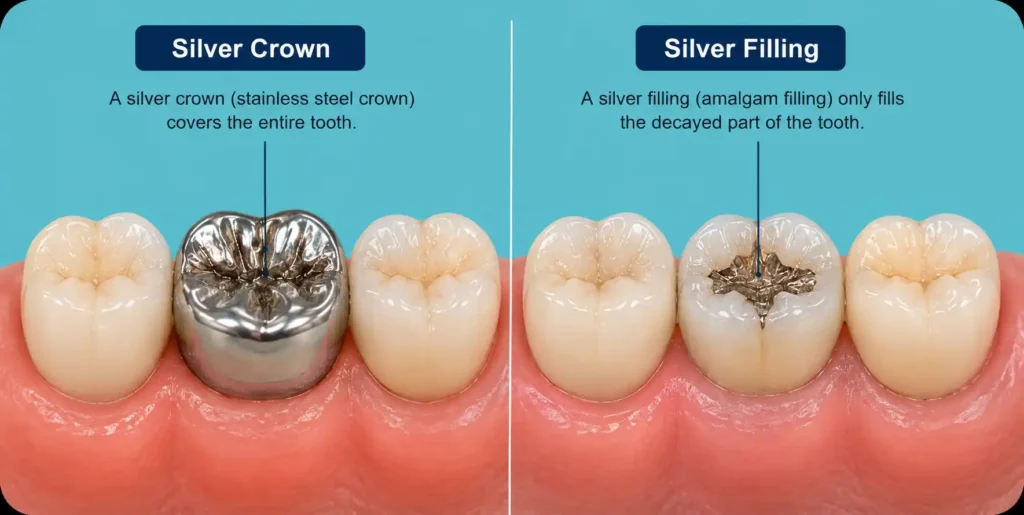
The different names can be confusing, but in everyday conversation silver caps on children’s teeth, silver crowns, and stainless steel crowns generally refer to the same restoration.
Here is the distinction in simple terms:
So when a dentist mentions any of these terms for a child’s back tooth, they are usually describing one treatment.
This is worth clarifying because parents researching online often meet all three phrases and assume they are different procedures, when in most cases they are not.
One thing does deserve to be kept separate. A silver coloured filling, sometimes called amalgam, is a different thing, because a filling restores part of a tooth rather than capping the whole visible portion. If you are ever unsure which one a dentist means, it is perfectly reasonable to ask them to explain in plain terms.
Parents understandably want to know which crown is best for kids, but the accurate answer is that no single option suits every child. The most appropriate choice depends on the specific tooth and the situation around it.
When choosing, a dentist weighs up factors such as:
For hard working back teeth, strength and full coverage often take priority, which is where stainless steel tends to perform well. Those teeth do most of the chewing and are hidden from view, so appearance is usually a smaller consideration there.
Front teeth tend to raise different questions. Because they show when a child talks and smiles, some families place more weight on how a restoration looks. This is where tooth coloured options often come into the conversation.
There are a few tooth coloured approaches a dentist may describe:
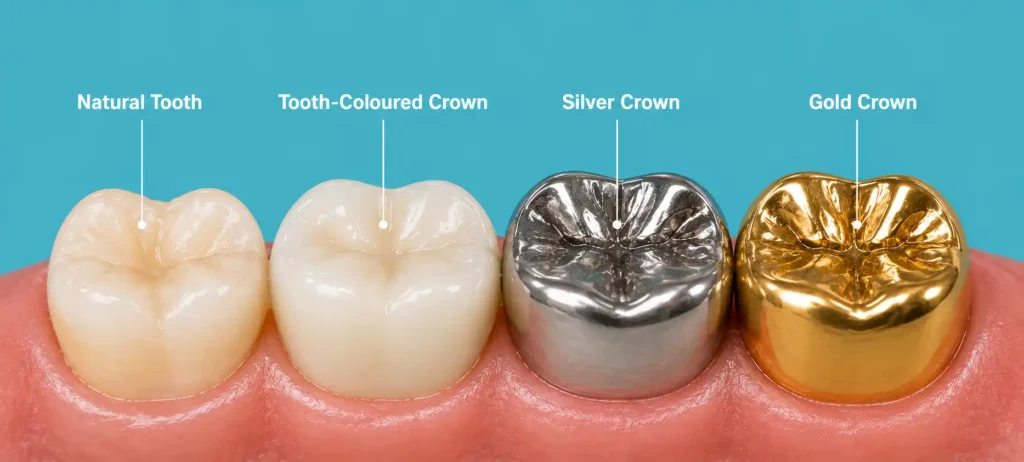
Each has its own general trade offs. In broad terms, parents and dentists often weigh points like these:
None of this points to a single best material, and the trade offs shift from tooth to tooth. A material that suits a visible front tooth may be less practical on a hard working back molar, and the reverse can also be true. A dentist balances these considerations for each tooth rather than following one fixed preference.
A crown is also only one part of caring for children’s teeth. Where a tooth cannot be saved and is lost early, a dentist may instead discuss holding the space for the adult tooth, which you can read about in the guide to space maintainers.
For more detail on the crown options themselves and the alternatives, see the stainless steel crown treatment page. The right answer for your child is best reached in conversation with the treating dentist.
Looking after a stainless steel crown is largely the same as caring for the rest of your child’s teeth, with a little extra attention at the crowned tooth.
Helpful daily habits include:
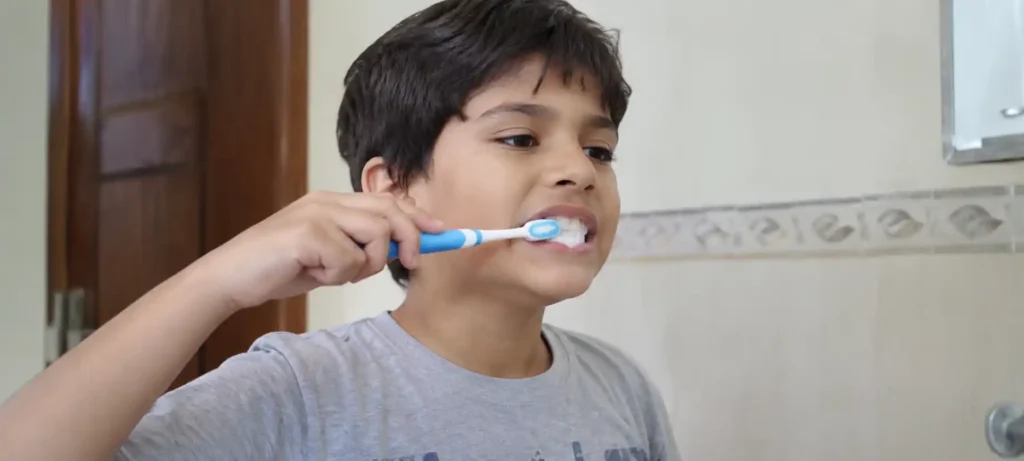
The gum line is worth a little extra thought. The edge where the crown meets the tooth sits close to the gum, and this is a spot where food and plaque can gather if brushing is rushed. A soft toothbrush angled gently toward the gum helps keep this area clean. If your child finds it tricky, a short parent led brush at the end can make sure the spot is not missed.
Sticky and very hard foods deserve a mention too. Chewy lollies can tug at a crown, and hard items like ice or unpopped popcorn kernels can stress any restoration. This does not mean these foods are strictly off limits, only that a little care around them is sensible while the crown is in place.
A crowned tooth can still develop problems at the gum line if plaque is allowed to build up, so daily cleaning matters just as much here as on any other tooth. The crown protects the part it covers, but the surrounding gum still needs care.
These are general pointers only. Your treating dentist may give more specific advice based on your child’s crown and overall oral health, and that advice should always take priority.
This guide was prepared by the Warner Dental team and reviewed for general accuracy by Dr Pawan Bista, a registered dental practitioner (Dental Board of Australia registration number DEN0002295134).
It draws on publicly available clinical guidance from sources such as healthdirect Australia and the Australian Dental Association. You can learn more about the clinicians behind this content on the dentists page. Last updated: August 2026.
Stainless steel crowns are a well established part of children’s dentistry, used to restore and protect baby teeth affected by decay or damage so they can keep doing their job until they are naturally lost. They have a long track record, tend to be durable, and go by several everyday names, though the right choice for any individual tooth always depends on professional assessment.
If there is a question this guide did not answer, or something you feel we could add to make it more useful, we would be glad to hear from you. For more detail you can visit the stainless steel crown treatment page, and when you feel ready you are welcome to book a consultation with our team.
Disclaimer: This article is general educational information for parents, not a diagnosis or treatment plan for any individual child. It draws on publicly available guidance from healthdirect Australia and the Australian Dental Association and does not guarantee any particular outcome. The right treatment for your child can only be determined by a registered dental practitioner who has examined them. If you have concerns about your child’s teeth, please arrange to see a dentist.
FAQs
Most children can eat fairly soon after a crown is fitted, though it is sensible to begin with softer foods while any local anaesthetic wears off. Waiting until normal feeling returns helps your child avoid accidentally biting their cheek or tongue. Your dentist will usually give specific advice at the appointment, and following their guidance for your child’s situation is the best approach.
Generally, yes. The crown is fitted to a baby tooth, and when that tooth loosens and falls out in the usual way, the crown comes away with it. The root dissolves naturally to make room for the adult tooth, and the crown does not usually interfere with this process. If a crowned tooth seems slow to come out, a dentist can check it.
Metal sensitivity reactions to these crowns are considered uncommon. Stainless steel does contain small amounts of metals such as nickel, so if your child has a known metal allergy it is important to mention this to the dentist beforehand. They can take it into account when discussing the most suitable option. If you notice unusual or persistent irritation after fitting, contact the practice for advice.
Local anaesthetic is commonly used to numb the area during the procedure. Your child may still feel some pressure or movement, and some tenderness can occur afterward as the area settles, particularly where decay was treated. Comfort varies between children, and the treating dentist can explain what to expect and how any discomfort can be managed.
Some children may be eligible for support toward certain dental services through the Child Dental Benefits Schedule, subject to the scheme’s eligibility rules and benefit caps. Because scheme rules can change, it is best to check current eligibility through the Child Dental Benefits Schedule (Services Australia). You can also find general information on the bulk billing kids dentist page, and the practice can help you check how it may apply.
Yes. If a crown becomes loose, damaged, or dislodged, it can usually be assessed and then refitted or replaced. It is best to contact the practice promptly if this happens. If the crown has come away, keep it safe and bring it with you, so the dentist can determine the most suitable next step for that tooth.
This depends entirely on your child’s dental health. Some children need a crown on a single tooth, while others with decay affecting several teeth may have more than one treated. The dentist determines this on examination, based on which teeth are affected and how extensively. An assessment is the only reliable way to know what a particular child needs.
Related Blogs