
For routine visits, emergencies, and general enquiries
Get Direction
General Dentistry
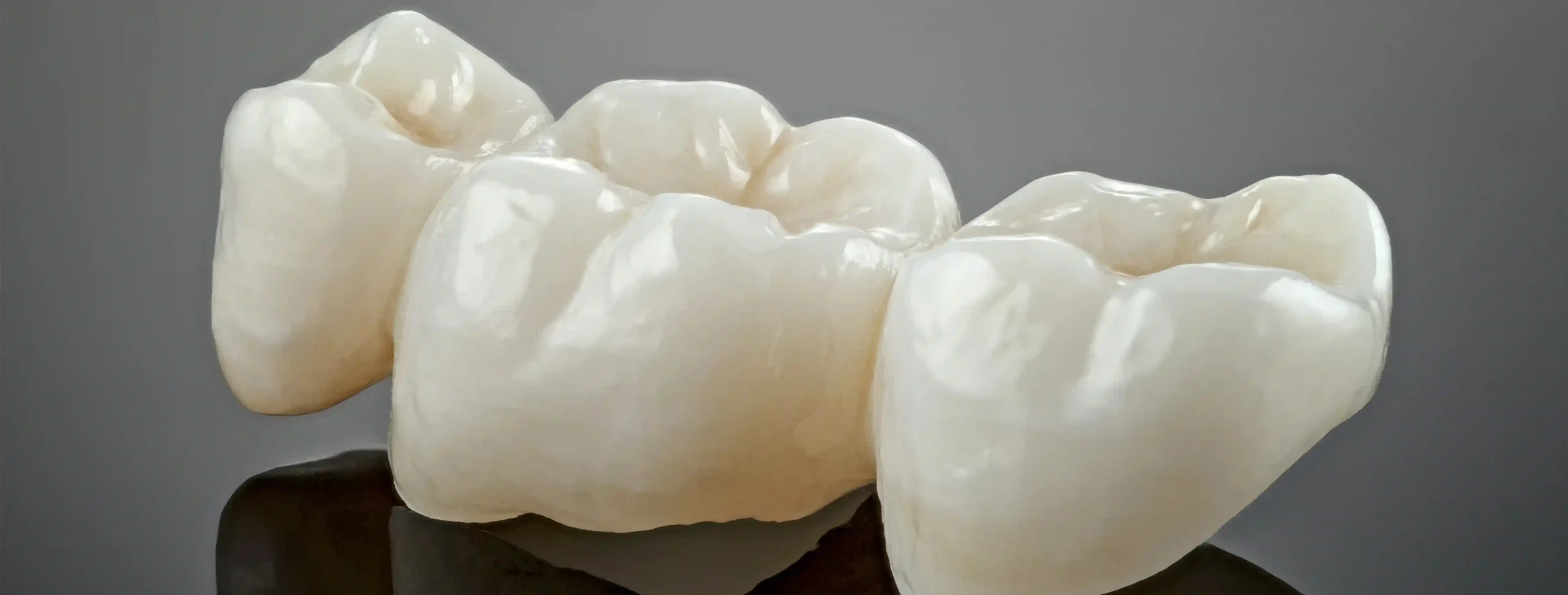
Some teeth are too cracked, worn, or heavily filled for a filling to hold together. A dental crown solves that. It caps the whole tooth and takes the force of every bite, so the weakened tooth underneath is shielded instead of slowly breaking down.
At Warner Dental we make custom crowns for patients across Warner and North Brisbane, scanned and fitted to your own tooth. Whether a crown is right for you is confirmed at an assessment. Outcomes vary between patients, and this page is general information, not a diagnosis.
A crown is a cap that covers the whole tooth, like a helmet for a tooth that can no longer protect itself. It sits over everything above the gum line, rebuilding the tooth’s shape and strength.
It is made to match your other teeth in colour and shape, so it blends in. Once it is bonded on, you eat and brush with it exactly as you would a natural tooth.
Your dentist may suggest a crown to:
Whether it is the right call depends on how much healthy tooth is left, your bite, and your overall oral health.
We use tooth-coloured ceramic crowns. The best material depends on where the tooth sits and how hard it has to work:
Your dentist recommends the one that balances appearance and durability for your particular tooth.
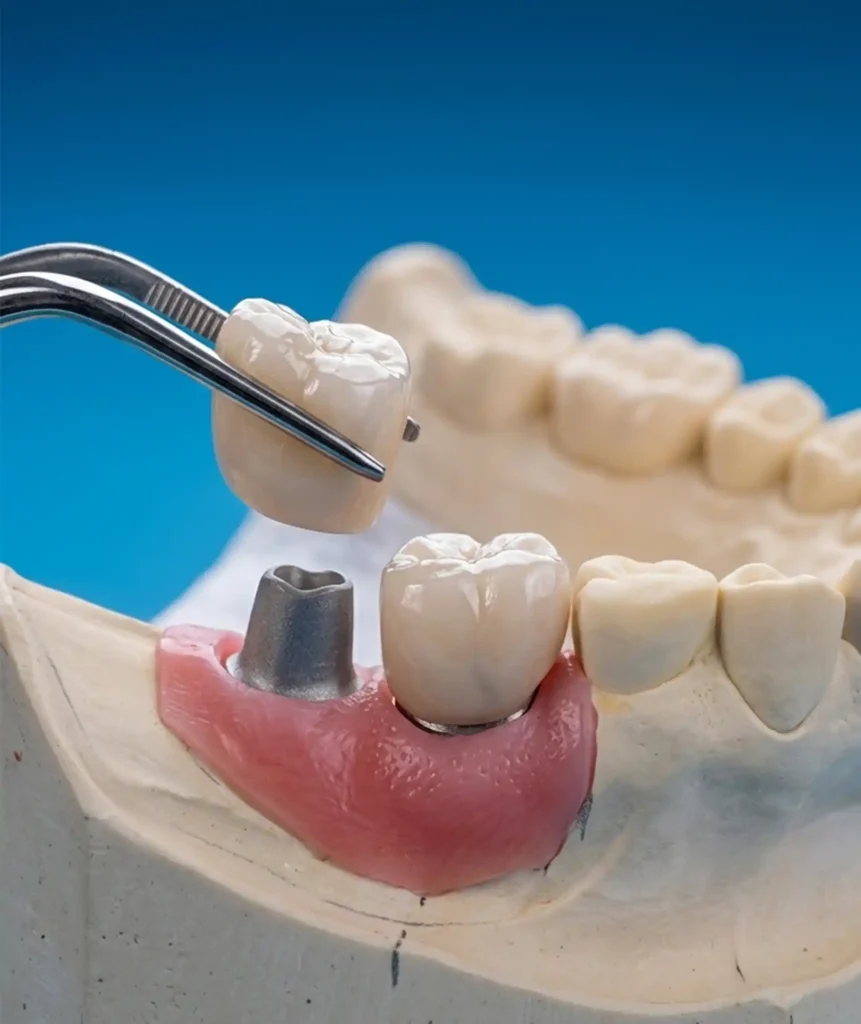
A crown usually takes two visits, because it is custom-made in a dental laboratory.
Your dentist checks the tooth, takes digital scans or X-rays, and talks you through the options, benefits, and risks.
The tooth is numbed and gently reshaped to make room for the crown, and any damaged parts are removed. A temporary crown protects it while your real one is made.
Your scan goes to the laboratory, where the crown is built to fit your tooth and match the teeth around it.
At the second visit, we check the fit, bite, and shade, then bond the crown firmly in place.
They are not the same thing. A crown covers the whole tooth and is about strength, for a tooth that needs real protection. A veneer is a thin facing bonded to the front of a tooth, and it is mainly about looks, for a tooth that is already healthy.
So if your concern is cosmetic rather than structural, dental veneers may suit you better. Your dentist will help you choose.
A crown for a child’s baby tooth is a different treatment, usually using a ready-made stainless steel crown rather than a custom ceramic one. If you are looking for a crown for your child, head to our page on crowns for children’s teeth.
Every treatment has trade-offs, and a crown is no exception.
Your dentist talks all of this through, along with the alternatives, before you commit.
A crowned tooth still needs looking after, just like a natural one:
This matters because the natural tooth under the crown is still alive, and it can still decay at the edge if plaque is left to build up there.
Looked after well, many crowns last for many years. How long yours lasts comes down to your oral hygiene, how hard you bite or grind, and keeping up your reviews. Results vary from person to person, and a well-cared-for crown tends to go the distance.
There is no single price for a crown. It depends on the material and the laboratory work involved, and your health fund cover affects what you pay out of pocket.
You get a clear cost estimate before any work starts, so there are no surprises. You can also ask us about payment options.
If you have a damaged, cracked, or heavily filled tooth, an assessment can tell you whether a crown is the right way to protect it. Book a consultation or call (07) 3882 3200.
This information is general in nature and does not replace personalised dental or medical advice.
Protect your smile with regular care at Warner Dental.
FAQs
The tooth is numbed with local anaesthetic while it is prepared, so you should not feel pain during the appointment. Mild sensitivity or tenderness for a few days afterwards is normal and settles on its own. If you feel anxious about treatment, tell us, and we will take extra care to keep you comfortable.
Usually two. At the first, the tooth is prepared and a temporary crown goes on while your custom crown is made in a laboratory. At the second, the permanent crown is fitted and bonded. Your dentist will confirm the timing for your tooth.
Yes. The crown covers the tooth, but the natural tooth underneath is still alive, and it can decay where the crown meets the gum if plaque builds up there. A crowned tooth can also sometimes need a root canal later. Good brushing, flossing, and regular check-ups keep that risk low.
That is the goal. Tooth-coloured crowns are shade-matched to the teeth around them, and for a front tooth especially, your dentist takes care with the shape and colour so it blends in. The material is chosen partly for how natural it looks in that spot.
A crown covers the entire tooth and is used when a tooth needs strengthening and protection. A veneer is a thin facing bonded to the front of a tooth, used mainly to improve appearance when the tooth is otherwise healthy. Your dentist will advise which suits your situation.
Keep the crown if you can, avoid chewing on that side, and contact us to have it checked. Do not try to glue it back yourself, because the tooth underneath needs checking first and household glues can cause harm. In many cases a crown can be re-bonded.
Yes. Front teeth are usually crowned with a material chosen for its natural look, such as porcelain or E.max, so it blends with your smile. Because a front tooth is so visible, extra care goes into the shade and shape.
Many private health funds with extras cover contribute toward crowns, but the amount depends on your fund, your level of cover, and any annual limits. We give you a cost estimate to check against your policy, or take to your fund for a quote, before you go ahead.
Thorough examination, professional clean, and fluoride application to maintain healthy teeth and gums.
Protective coatings applied to back teeth to reduce the risk of decay.
Custom-fitted appliances for sports protection and management of teeth grinding (bruxism).
Compassionate, patient-focused care for those who feel nervous about dental treatment.
Clear, detailed assessments to help you make informed decisions about your dental health.
Assessment and treatment of enamel wear caused by grinding, acid erosion, or ageing.
Saving infected or damaged teeth by removing infection and restoring strength.
Natural-looking restorations to repair cavities and protect tooth structure.
Custom-made restorations to strengthen and protect weakened teeth.
Replacing missing teeth to restore function and maintain alignment.
Removable options to replace multiple or all missing teeth and improve chewing ability.