
For routine visits, emergencies, and general enquiries
Get Direction
Bruxism & Teeth Grinding Treatment
Teeth grinding, known clinically as bruxism, is more common than many people realise, and it often goes unnoticed until damage has already occurred. At Warner Dental, teeth grinding treatment is approached with a thorough clinical assessment to understand what is happening before recommending the most appropriate management. Whether you grind at night during sleep or clench during the day, early intervention can help protect your teeth from unnecessary wear. Patients across Warner and the broader North Brisbane area can access assessment and treatment at our practice.
Bruxism is the medical term for the repetitive grinding, clenching, or gnashing of teeth. It is classified into two main types. Sleep bruxism occurs during the night and is considered a sleep-related movement disorder. Awake bruxism involves clenching or grinding that happens during waking hours, often linked to concentration, stress, or habit.
Many people are unaware they grind their teeth at night. A sleeping partner is often the first to notice the sound. In some cases, a person only becomes aware of the problem when they begin experiencing symptoms such as sore jaw muscles, worn teeth, or morning headaches.
The exact cause of bruxism is not fully understood, but contributing factors can include stress, certain medications, sleep disorders, and parafunctional habits. For further background, Healthdirect’s overview of teeth grinding and the ADA guidance on bruxism provide useful general information.
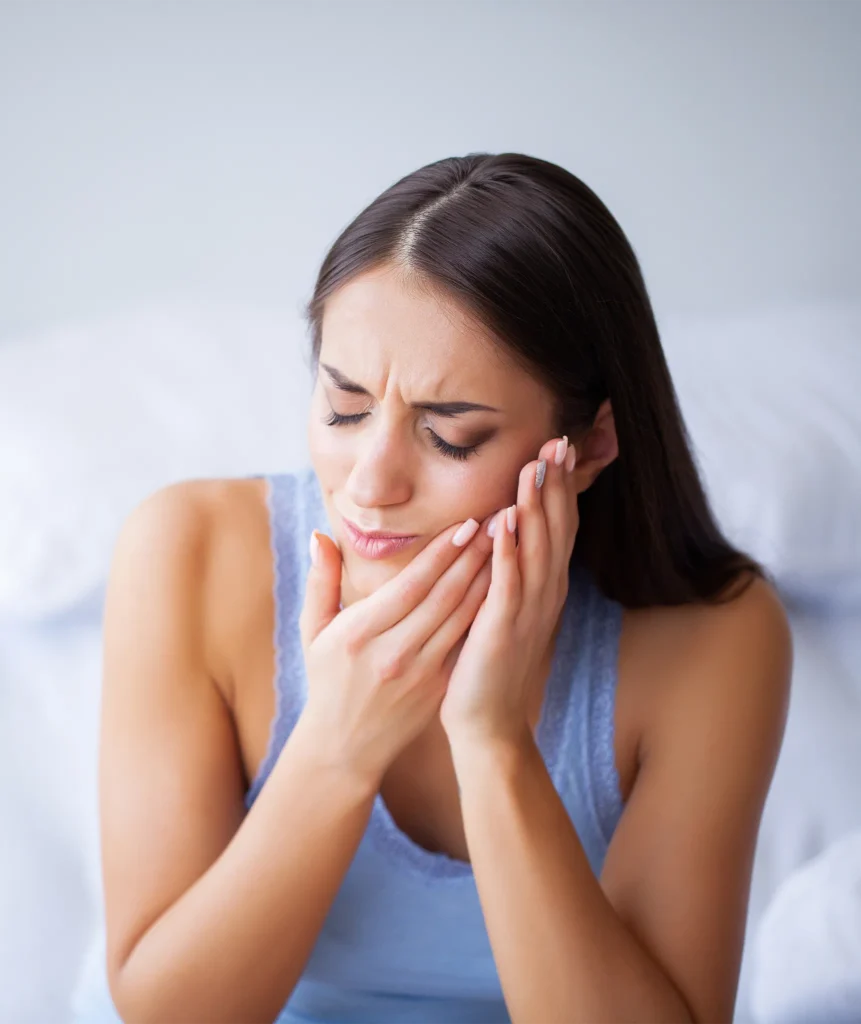
You may benefit from an assessment if you notice any of the following:
These signs do not automatically confirm bruxism, but they are worth discussing with a dentist. A proper occlusal assessment can help identify whether grinding or clenching is a likely contributing factor.
The first step is a thorough clinical examination. The dentists at Warner Dental assess the teeth for signs of wear, check the jaw muscles for tenderness, and evaluate the bite and jaw joint function. A discussion about your symptoms, sleep habits, and general health history forms part of this assessment. This helps build a clear picture before any treatment is recommended.
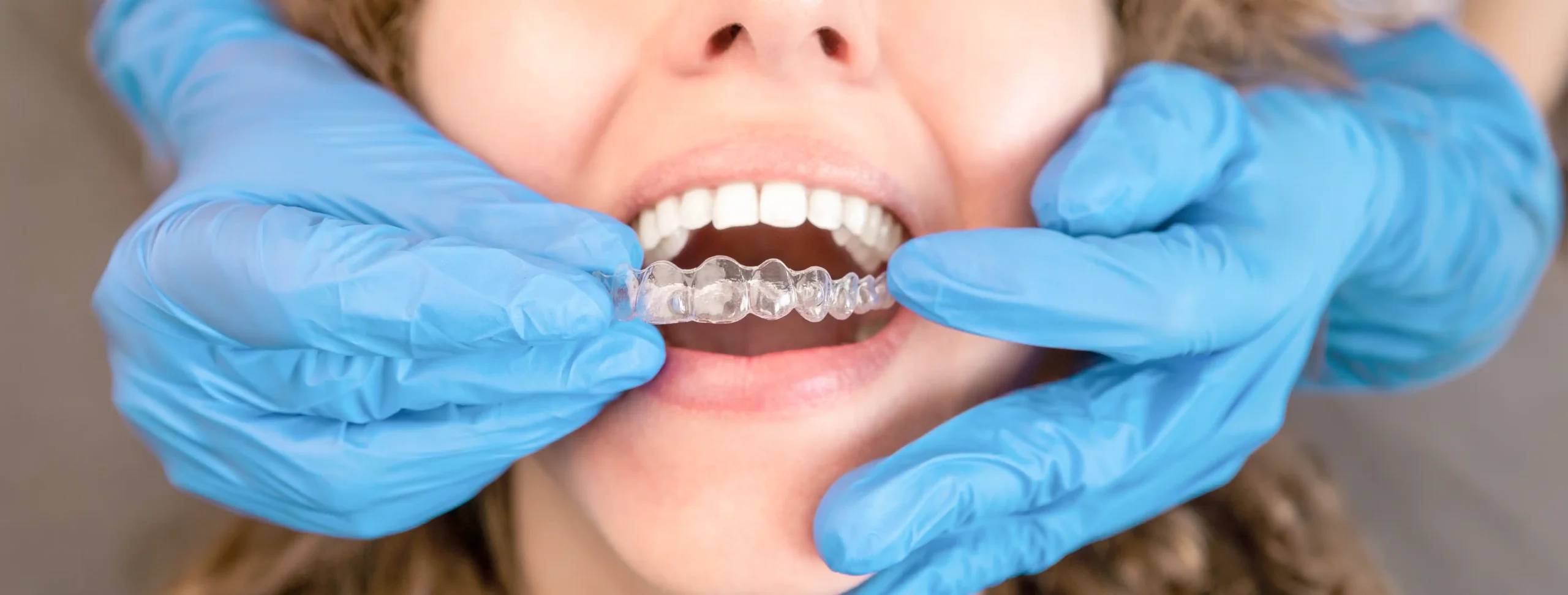
If a night guard or occlusal splint is recommended, impressions or digital scans of your teeth are taken so the appliance can be made to fit your mouth precisely. A custom-fitted device sits over the upper or lower teeth and creates a protective barrier between the two arches. This is designed to reduce the impact of grinding forces on the enamel and supporting structures. Over-the-counter options are available in pharmacies, but these are not custom-fitted and may not offer the same level of protection or comfort.
Once the appliance is ready, you return to Warner Dental for a fitting appointment. The dentists check the fit, bite, and comfort, and make any necessary adjustments before you take it home. Instructions are provided on how to wear and care for the device. Most patients wear their night guard during sleep, though some daytime clenchers may be advised on a different wearing schedule.
Bruxism management is an ongoing process. The team at Warner Dental recommends regular reviews to monitor tooth surfaces, check the condition of the appliance, and assess whether any changes are needed. If signs of significant tooth wear are already present, further restorative options may also be discussed during these reviews.
Persistent bruxism places considerable force on the teeth, often far exceeding the pressure applied during normal chewing. Over time, this can lead to progressive enamel loss, increased tooth sensitivity, and changes to the shape of the biting surfaces. Left unaddressed, severe grinding can eventually affect dental restorations such as fillings and crowns.
The temporomandibular joint, which connects the lower jaw to the skull, can also be affected. Some patients with long-term bruxism develop discomfort or reduced mobility in this joint, sometimes referred to as TMJ dysfunction. Managing the grinding habit early is generally simpler than addressing the downstream dental and jaw consequences.
For patients who are already showing signs of surface loss, Warner Dental’s approach to tooth wear and erosion management addresses the restorative and protective aspects of care alongside the underlying parafunctional habit.
Warner Dental has been serving the Warner community and the wider North Brisbane area since 2002. That longevity reflects a practice built around consistent, long-term patient care rather than one-off treatment. Many patients who first came in for a routine issue continue to trust Warner Dental with their ongoing dental health, including managing conditions like bruxism that require monitoring over time.
Bruxism management at Warner Dental starts with a proper occlusal assessment rather than simply fitting a night guard at the first appointment. Understanding whether the issue is sleep bruxism, daytime clenching, or a combination of both affects what type of appliance is recommended and how it is fitted. Night guards and splints are fabricated to precise measurements and adjusted at a fitting appointment to make sure the bite is comfortable and the appliance will actually be worn.
Warner Dental welcomes patients from Bray Park, Cashmere, Joyner, Lawnton, and surrounding suburbs, as well as those travelling from further across North Brisbane. Patients who are new to Warner Dental can review new patient information ahead of their first visit.
Warner Dental is located in Warner and has been a trusted dental practice for the North Brisbane community since 2002. The team welcomes both new and existing patients for night guard assessments, bruxism consultations, and all aspects of general dental care. If you are based in Strathpine, Eatons Hill, Griffin, or anywhere across the surrounding area, Warner Dental is easy to reach.
Protect your smile with regular care at Warner Dental.
A night guard does not stop the grinding behaviour itself. It is designed to protect the teeth by absorbing and distributing the forces generated during grinding, reducing wear on the tooth surfaces. For some patients, reducing contributing factors such as stress or caffeine intake may lessen the frequency of grinding, but the appliance works primarily as a protective barrier. Your dentist can discuss the full range of management approaches during your assessment.
This varies depending on the severity of grinding and how well the appliance is maintained. Many patients find a well-made custom appliance lasts several years with proper care. Over time, the material does wear down, particularly in heavy grinders. The team at Warner Dental will check the condition of your appliance at review appointments and advise when a replacement is appropriate.
Pharmacy mouthguards are made from a generic mould and are not fitted to your specific bite. They can feel bulky, may not stay in place during sleep, and may not provide adequate protection for more significant grinding habits. A custom-fitted appliance made from impressions of your teeth is more comfortable, more stable, and better suited to your individual bite. It is worth discussing your options with a dentist before making a decision.
Clenching involves holding the teeth tightly together without the back-and-forth movement associated with grinding. It tends to be quieter, which means a sleeping partner may not notice it. Common signs of clenching include jaw muscle soreness, morning headaches, and tooth sensitivity without visible grinding wear. A dentist can assess the teeth and jaw muscles to help determine whether clenching, grinding, or a combination of both is occurring.
Research suggests bruxism can be associated with stress and anxiety, certain sleep disorders, some medications, and genetic factors. It is seen across all age groups, including children, though many children grow out of it. Adults who experience high levels of daily stress, disrupted sleep, or who use stimulant substances including caffeine may be at greater risk. A proper assessment helps identify any relevant contributing factors in your situation.
Untreated grinding can lead to progressive tooth wear, increased sensitivity, chipped or cracked teeth, and potential damage to existing dental restorations. In more advanced cases, the jaw joint and surrounding muscles may be affected. Addressing bruxism early generally involves less complex treatment than managing the dental consequences of long-term unprotected grinding. A routine dental check-up gives the team an opportunity to identify early signs before significant damage occurs.
No referral is needed. Patients can book an appointment directly, either online or by phone. At the appointment, the dentist will take a history, examine the teeth and jaw, and discuss the findings with you before recommending any treatment. New patients are welcome at Warner Dental for this kind of assessment.
Thorough examination, professional clean, and fluoride application to maintain healthy teeth and gums.
Protective coatings applied to back teeth to reduce the risk of decay.
Custom-fitted appliances for sports protection and management of teeth grinding (bruxism).
Compassionate, patient-focused care for those who feel nervous about dental treatment.
Clear, detailed assessments to help you make informed decisions about your dental health.
Assessment and treatment of enamel wear caused by grinding, acid erosion, or ageing.
Saving infected or damaged teeth by removing infection and restoring strength.
Natural-looking restorations to repair cavities and protect tooth structure.
Custom-made restorations to strengthen and protect weakened teeth.
Replacing missing teeth to restore function and maintain alignment.
Removable options to replace multiple or all missing teeth and improve chewing ability.