For routine visits, emergencies, and general enquiries
Get Direction

Caring for your teeth and gums is one of the most important habits you can maintain for your overall health and wellbeing, yet for many Australians it quietly falls down the priority list. Whether you are searching for practical dental health tips in Brisbane, building the best oral hygiene routine as an adult, protecting your children from tooth decay, or simply figuring out how often you should visit the dentist in Australia, this guide covers what you need to know.
Warner Dental has been caring for families across Warner, North Brisbane since 2002. The advice in this guide reflects what our team shares with patients every day in the clinic. It is written to be genuinely useful, not just reassuring.
Oral health does not exist in isolation. Research consistently links poor dental health to broader conditions including heart disease, diabetes, and respiratory illness. Beyond systemic health, tooth decay, bleeding gums, and tooth loss affect the way people eat, speak, sleep, and feel about themselves day to day.
According to the Australian Institute of Health and Welfare, around one in three Australian adults report feeling uncomfortable about their dental appearance, and the proportion of adults with untreated tooth decay increased between 2004 and 2018. These are not inevitable outcomes. The vast majority of common dental conditions are preventable with regular professional care and sound daily habits.
The encouraging reality is that decay, gum disease, and enamel erosion all develop gradually. Early detection and consistent care make a very real difference to what treatment is needed later. Dental care in North Brisbane should not feel like a reactive measure. At Warner Dental, our approach is built on prevention first.
One of the most common questions people ask is: how often should you visit the dentist in Australia? The short answer is every six to twelve months for most people, though the right frequency depends on your individual oral health.
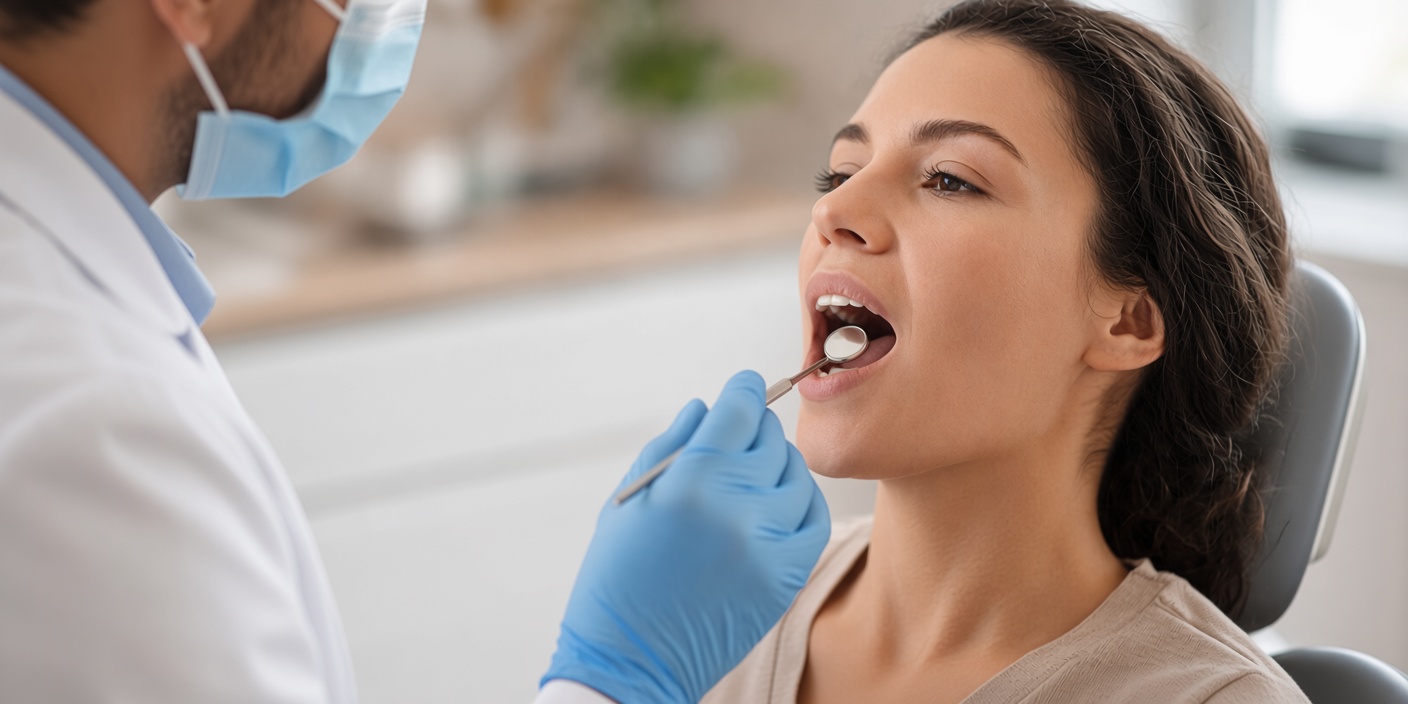
The Australian Dental Association recommends regular professional check-ups and cleans as the foundation of preventive dental care. A routine appointment at Warner Dental includes a comprehensive examination, a professional scale and clean, and a fluoride application. These visits allow your dentist to identify early-stage decay, gum disease, and other concerns that may not yet be causing you noticeable symptoms.
You can find out more about what a routine visit involves on our routine dental check-ups and professional cleans page.
Some patients benefit from check-ups every three to four months rather than every six. Your dentist may recommend a more frequent schedule if you:
If it has been longer than twelve months since your last check-up, it is worth booking as soon as possible. Conditions that are straightforward to address when caught early can become more complex and require more involved treatment if left unattended.
Building the best oral hygiene routine for adults is less about perfection and more about consistency. The core habits, when done correctly and regularly, protect teeth and gums for life.
Brush for two minutes, twice a day, using a soft-bristled toothbrush and fluoride toothpaste. Hold the brush at a 45-degree angle to the gumline and use gentle circular or short horizontal strokes. Brushing too firmly wears away enamel over time and irritates the gum tissue. Replace your toothbrush every three months, or sooner if the bristles are frayed.
Brush last thing at night without eating or drinking anything afterwards. Saliva production naturally drops during sleep, so anything left on the teeth overnight is more likely to cause damage.
Electric toothbrushes can be easier to use consistently and are a practical choice, particularly for people with limited dexterity. Both manual and electric brushes work well when used properly.
Brushing alone cannot reach the spaces between teeth or below the gumline. Floss or interdental brushes should be used at least once daily to remove plaque and food debris from these areas. Skipping interdental cleaning leaves a substantial proportion of each tooth’s surface unprotected.
If traditional floss feels difficult, alternatives including floss picks, water flossers, and interdental brushes are all effective options. Your dentist at Warner Dental can recommend the right choice based on your tooth spacing.
Mouthwash, particularly an antibacterial or fluoride-containing rinse, can complement brushing and flossing, though it is not a substitute for either. Healthdirect Australia provides useful general guidance on daily oral health habits for adults and children alike.
What you eat and drink directly affects your dental health. Sugary and acidic foods and drinks are the primary drivers of enamel erosion and decay. This does not mean eliminating them entirely, but being mindful of how often you consume them and rinsing with water after eating is a practical daily habit.
Fluoridated tap water is the best drink for your teeth. It helps strengthen enamel through regular low-level fluoride exposure throughout the day. Limit sugary soft drinks, sports drinks, and fruit juices, and try to eat in defined meals rather than snacking continuously, as prolonged acid exposure is more damaging than occasional consumption.
Calcium-rich foods including dairy products, leafy greens, and almonds support strong tooth structure and jaw bone density. A balanced diet supports both your oral health and your overall wellbeing.
Understanding how to prevent tooth decay in children is among the most important things parents and carers can do. Tooth decay is one of the most common preventable health conditions affecting Australian children, yet it remains widespread.
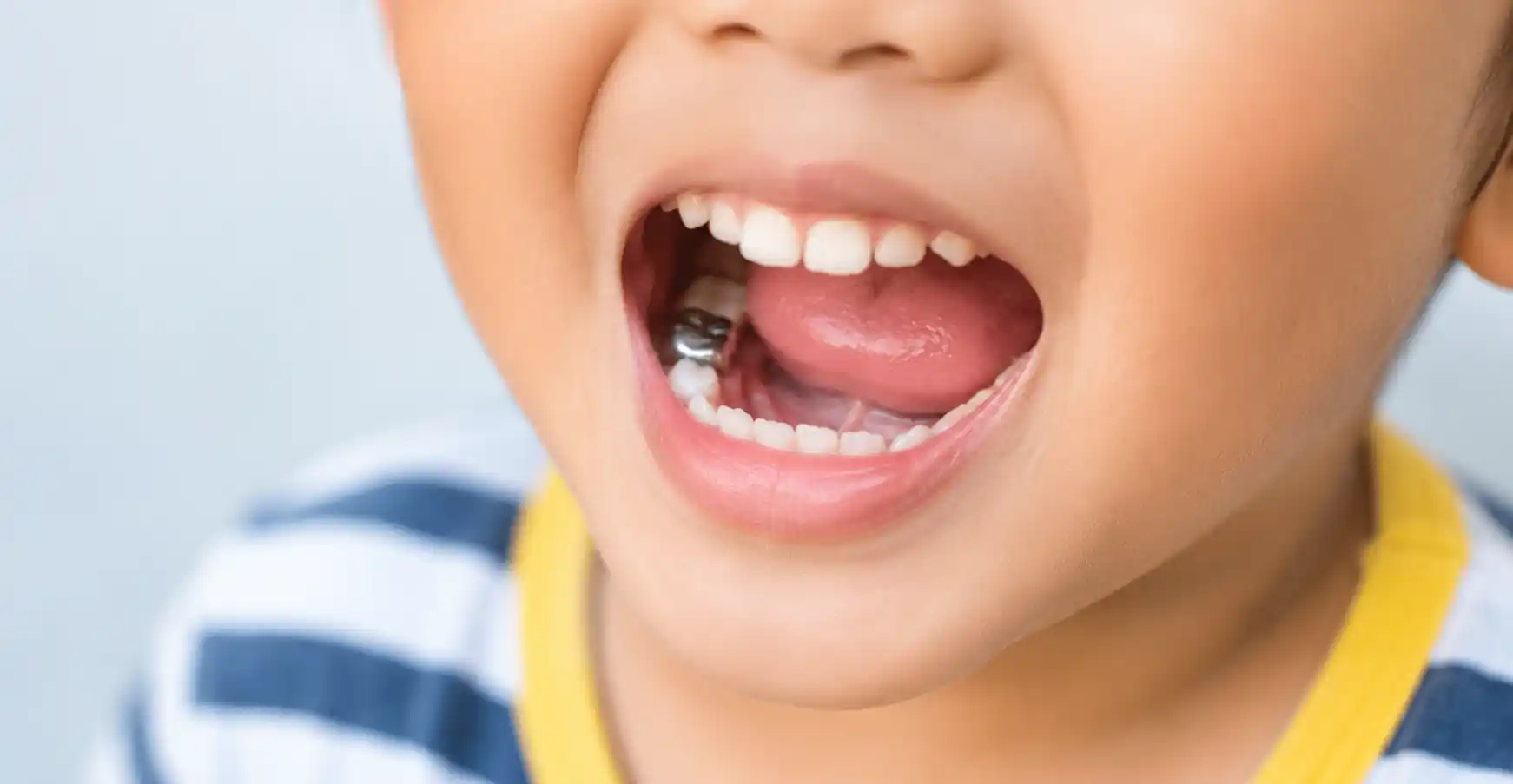
Baby teeth matter far beyond their temporary lifespan. They are essential for eating, speech development, and holding the correct space in the jaw for adult teeth. Decay in baby teeth causes pain, can lead to infection, and may affect the long-term positioning of the permanent teeth that follow. Our children’s dentistry at Warner Dental page outlines the age-appropriate services we provide for young patients across Warner, North Brisbane.
The Australian Dental Association recommends bringing your child to their first dental visit when their first tooth appears, or by their first birthday. Early visits are brief and relaxed. They help children become comfortable in the dental environment over time and allow the dentist to give guidance specific to your child’s development and dietary habits.
At home, begin cleaning your baby’s teeth as soon as they come through. Use a small, soft toothbrush with a rice-grain-sized smear of low-fluoride toothpaste until age three, then increase to a pea-sized amount of standard fluoride toothpaste after that. Supervise brushing until your child is around seven or eight, when they develop the fine motor control to be effective on their own.
Fluoride is a naturally occurring mineral that strengthens tooth enamel and helps it resist acid attacks from bacteria and food. It is one of the most effective and well-researched preventive tools in dentistry. The Australian Department of Health recognises oral disease prevention, including fluoride use, as a national health priority.
Professional fluoride treatments for children at Warner Dental are quick, painless, and can be provided as part of a routine check-up appointment. At home, using fluoride toothpaste as recommended by your dentist is one of the simplest and most effective daily habits.
Fissure sealants are thin protective coatings applied to the chewing surfaces of the back teeth, where deep grooves make decay particularly common. The sealant fills these grooves and makes them significantly easier to clean, reducing the risk of decay taking hold. They are typically applied to permanent molars as they emerge, usually between the ages of six and fourteen.
Limit the frequency of sugary snacks and drinks in your child’s diet. This includes fruit juices, flavoured milks, and dried fruit, which are often regarded as healthy choices but still contribute to decay when consumed frequently. Encourage water as the primary drink and plain milk as a secondary option.
Avoid putting children to bed with a bottle of milk or juice. When sugars pool around the teeth during sleep, it can cause significant decay to the front baby teeth, sometimes called bottle tooth decay.
The Child Dental Benefits Schedule (CDBS) is a Medicare programme that provides eligible children aged 0 to 17 with access to a benefit cap for basic dental services including examinations, cleans, X-rays, and fillings. Bring your Medicare card to your child’s appointment and our reception team can check and process any eligible benefits on your behalf. You can also read about space maintainers for children if your child has lost a baby tooth earlier than expected.
Even with consistent home care, some issues require professional attention. Knowing the signs you need a dental checkup allows you to seek care before a manageable concern becomes a more significant problem. Waiting until pain becomes severe is never the best strategy.
Contact your dentist if you notice any of the following:
Several of these symptoms can indicate gum disease, infection, or in rare cases oral cancer, all of which are most straightforward to address when identified early. Our general dentistry services page outlines the full range of care available at Warner Dental.
A scale and clean is one of the most frequently performed procedures in dentistry and a cornerstone of preventive care. If you are looking for a professional scale and clean in Warner, North Brisbane, here is what the appointment involves.
During the procedure, your dentist or oral health therapist removes tartar, also known as calculus, which is hardened plaque that brushing alone cannot dislodge. Using specialised instruments, they clean the tooth surfaces above and below the gumline, removing deposits from the spaces between teeth and gums. The teeth are then polished to remove surface staining and create a smoother surface that resists plaque re-accumulation.
A routine scale and clean is different from a deep clean, which is recommended for patients with gum disease and involves more extensive work beneath the gumline. This more involved care is available through our periodontal care and gum disease treatment services.
Most patients experience only mild vibration or a light scraping sensation during a routine scale and clean. If your gums are inflamed there may be some temporary sensitivity, but this generally settles within a day or two. A fluoride application is typically provided at the end of the appointment to help strengthen enamel.
Warner Dental offers new patient options including a no-gap check-up and clean for patients with eligible private health insurance, and a comprehensive check-up and clean for those without. See our new patient check-up and clean offers page for full details. No referral is needed to book.
Warner Dental has been providing trusted dental care in Warner, North Brisbane since 2002. Our clinic serves patients from a broad range of surrounding suburbs including Bray Park, Lawnton, Strathpine, Cashmere, Brendale, Petrie, and Albany Creek.
We provide care for all ages, from young children at their first appointment through to adults requiring restorative treatment. Our team takes a preventive-first approach, which means we prioritise early detection, patient education, and straightforward communication about findings and options. Treatment plans are personalised to your oral health goals, lifestyle, and circumstances.
Our clinic uses modern diagnostic technology including digital X-rays, which provide detailed images with lower radiation exposure than traditional X-ray systems. Digital imaging allows us to show patients exactly what we are observing, which supports more informed conversations about treatment options.
We understand that dental anxiety is common. If you feel nervous about visiting the dentist, please let us know at the time of booking. Our team is experienced in caring for anxious patients and can discuss options to help make your visit as comfortable as possible.
If you are new to the practice, our new patient information page explains what to bring and what to expect from your first visit. You can also learn more about our team and philosophy on the about Warner Dental page. To get started, call the clinic or book online.
Good oral health is built gradually through consistent habits at home, thoughtful daily choices, and regular professional care. Whether you are focused on developing the best oral hygiene routine as an adult, learning how to prevent tooth decay in your children, understanding how often to see the dentist in Australia, or acting on signs you need a dental checkup, the principles are consistent: attend regularly, clean between your teeth, reduce sugar, drink water, and act on warning signs early.
Warner Dental is proud to support families right across North Brisbane with honest, evidence-based general dentistry services in a welcoming, modern environment.
If you are due for a check-up, looking for a kids dentist in Warner, or want to learn more about our routine dental check-ups and professional cleans, we would be glad to hear from you.
The information in this article is general in nature and is provided for educational purposes only. It does not constitute dental advice and is not a substitute for a professional consultation with a registered dental practitioner. Dental implant treatment carries risks and may not be suitable for all patients. Individual outcomes vary. A thorough clinical assessment is required before any treatment is recommended or commenced. All surgical or invasive procedures carry risk. Before proceeding, seek a second opinion from an appropriately qualified health practitioner.
Even without symptoms, conditions such as early decay and gum disease can develop silently. Most adults benefit from a professional check-up every six to twelve months. Your dentist will advise a schedule suited to your individual oral health status and risk factors. The absence of pain is not a reliable indicator that everything is healthy.
For most patients it is not. You may notice mild vibration or a light scraping sensation. If your gums are already inflamed, there may be some temporary sensitivity during or after the procedure. Our team uses gentle techniques and can apply numbing gel if you need additional comfort.
The Australian Dental Association recommends booking when your child’s first tooth appears, or by their first birthday. Early visits are short, relaxed, and positive. They build familiarity and allow any early concerns to be identified and addressed promptly. See our kids dentist in Warner page for more information on what to expect.
Decay occurs when bacteria in the mouth break down sugars from food and drinks and produce acids that erode tooth enamel. Frequent exposure to sugary foods and drinks, inadequate brushing, and insufficient fluoride all increase the risk. Regular check-ups, fluoride treatments for children, fissure sealants, and a reduced sugar diet work together to significantly lower this risk.
Gingivitis is early-stage gum disease involving inflammation of the gums. It is typically reversible with professional cleaning and improved home care. Periodontitis is more advanced: the infection has spread beneath the gumline and is affecting the bone and connective tissue supporting the teeth. Left untreated, periodontitis can result in tooth loss. Our periodontal care and gum disease treatment team can assess and manage both conditions.
Both are effective when used correctly. Some research suggests electric toothbrushes remove marginally more plaque on average and can be easier to use consistently. The most important factors are brushing for two full minutes, twice daily, with a soft-bristled brush and fluoride toothpaste. Your dentist can advise on the best option based on your individual needs.
Yes, significantly. The frequency and type of sugar and acid in your diet directly determines how quickly enamel erodes and decay develops. Limiting sugary and acidic foods, drinking fluoridated tap water throughout the day, and eating balanced meals rather than grazing constantly all contribute to better long-term oral health. According to Healthdirect Australia, reducing sugar intake and maintaining consistent brushing and flossing habits are among the most effective lifestyle measures for protecting dental health.
Skipping regular check-ups means conditions including early decay, gum disease, and oral cancer screenings are missed. By the time these conditions become symptomatic, they are often more advanced. Attending regular appointments is consistently the most cost-effective and health-protective approach over the long term.
It can be. When a baby tooth is lost earlier than expected, surrounding teeth may shift and reduce the space needed for the adult tooth to come through correctly. Your dentist may recommend space maintainers for children to hold that gap open until the permanent tooth is ready to emerge.
The Child Dental Benefits Schedule (CDBS) is a Medicare programme that provides eligible children aged 0 to 17 with access to a capped benefit for basic dental services including examinations, cleans, X-rays, and fillings. Eligibility is linked to certain Centrelink payments. Bring your Medicare card to your child’s appointment and our team will check eligibility and process any benefits on your behalf.
It can be. When a baby tooth is lost earlier than expected, surrounding teeth may shift and reduce the space needed for the adult tooth to come through correctly. Your dentist may recommend space maintainers for children to hold that gap open until the permanent tooth is ready to emerge.