For routine visits, emergencies, and general enquiries
Get Direction
A broken denture has a way of derailing an ordinary day. One moment you are eating or cleaning it, and the next you are holding two pieces wondering what to do. It is a stressful situation, and the right advice in the first hour can make a meaningful difference to how easily the denture can be restored.
This guide walks through what to do straight away, what to avoid, what an emergency repair appointment usually involves, and what patients across North Brisbane can generally expect in terms of process and cost. If your situation feels urgent, you can reach the team through our denture emergencies page.
Before you reach for the toolbox, it helps to know that some instinctive reactions can make a repairable denture much harder, or even impossible, to restore.
Over the counter repair kits and household superglue are not suitable for denture repairs. Superglue is not a dental material, it is not approved for use inside the mouth, and it can permanently alter the way a denture fits. Even a slight change in fit can place abnormal pressure on the gums and on any remaining natural teeth. Practitioners regularly see dentures that were straightforward to repair until a home fix set the pieces in the wrong position. At that point, the only option may be a full replacement.
A cracked or snapped denture often has sharp edges that can cut or irritate the soft tissue inside your mouth. A denture that no longer sits correctly can also load uneven pressure onto the gums and underlying bone. The safest step is to take it out, gather every fragment, and keep the pieces together in a sealed plastic bag until your appointment. Bringing all the parts gives the practitioner the best chance of a clean repair.
A hairline crack that feels harmless can spread quickly under normal chewing force. A loose denture that is left for months can allow changes to the gum and bone to continue unchecked. Getting an early assessment tends to give the practitioner more options, which usually means a simpler and more affordable outcome for you.
Not every denture problem needs same day attention, but the situations below are generally treated as urgent. If any of these apply to you, it is worth arranging emergency dental care in Warner promptly.
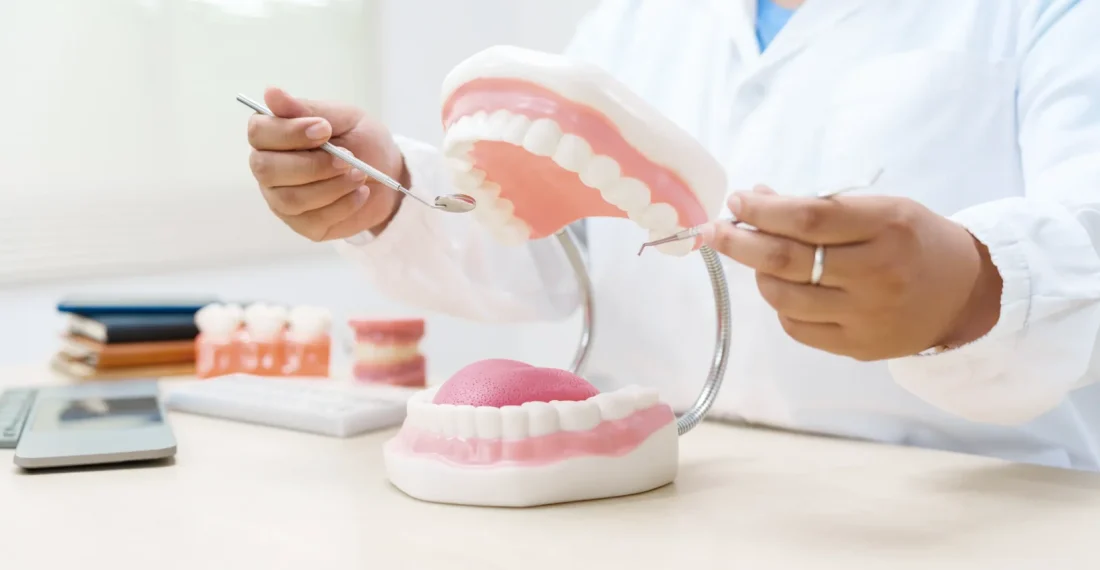
Different dentures fail in different ways, and knowing which type you have can clarify what the repair is likely to involve. For an overview of the options available, you can read more about full and partial dentures.
These are the most common type, and they most often break after being dropped on a hard surface such as a bathroom sink or tiled floor. A clean midline fracture with all pieces present is generally one of the more straightforward repairs, particularly when it is assessed soon after it happens.
Partial dentures use metal clasps or attachments to anchor onto your remaining natural teeth. The acrylic base can crack, and the metal clasps can bend or fracture. When the metal framework itself is damaged, the repair usually requires laboratory work and a longer turnaround.
Flexible dentures are made from nylon based thermoplastic materials. They cannot be repaired with standard acrylic techniques and instead require specialist materials, so repair times tend to be longer than for conventional acrylic dentures.
With an implant retained denture, the denture component can still crack or lose a tooth in much the same way as any other denture. The attachment mechanism, such as a locator clip or bar, can also wear over time and may need replacing. The implants themselves are assessed separately.
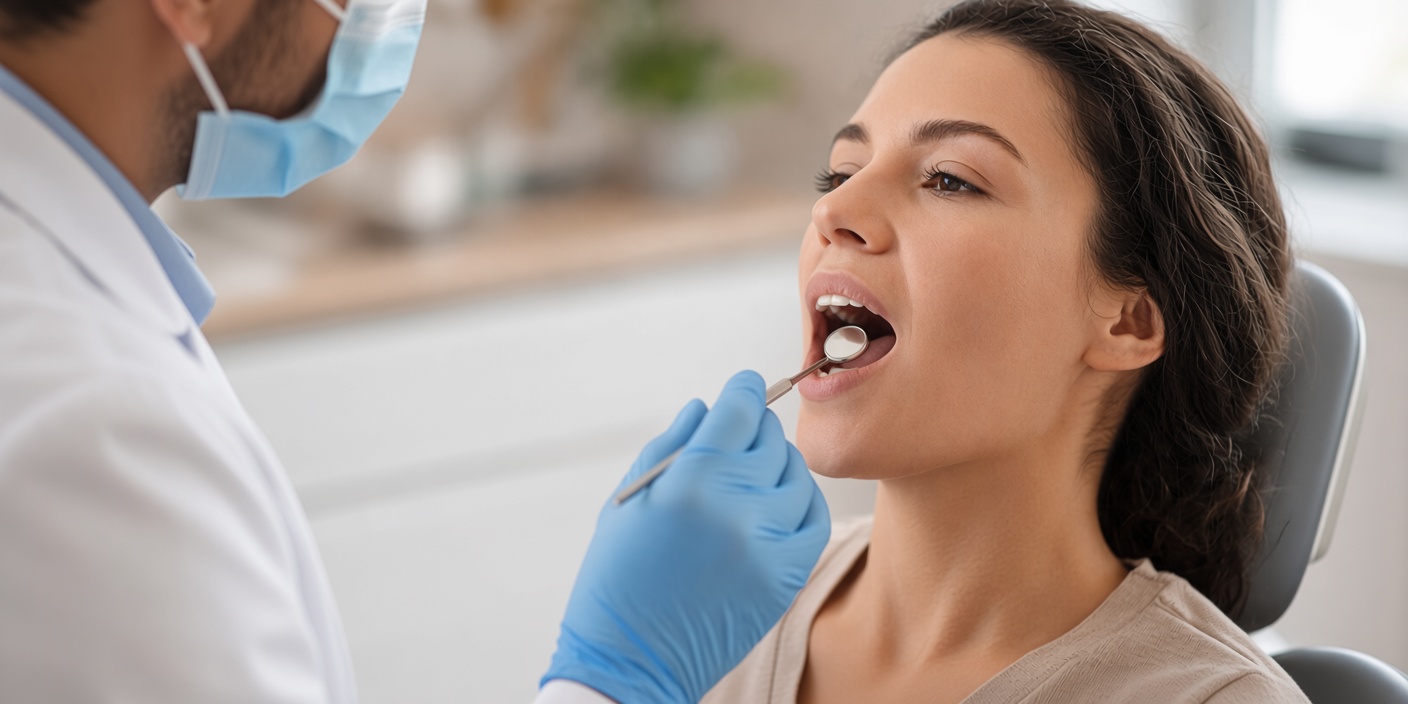
The practitioner begins by examining both the denture and the condition of your mouth. This determines whether an in chair repair is clinically appropriate on the same day or whether the denture needs to go to a dental laboratory. Not every repair can be finished in one visit, and a consultation is always required before any repair proceeds.
Simple cracks, clean breaks with all pieces present, and single tooth replacements on standard acrylic dentures can in some cases be completed chairside within roughly one to two hours. Whether a same day repair is possible depends on the denture type, the extent of the damage, and the assessment on the day. Warner Dental makes every effort to see urgent denture cases promptly, subject to availability.
Complex fractures, metal framework repairs, flexible denture repairs, and more significant damage usually need to be sent to a dental laboratory. Turnaround is generally one to five business days, depending on the nature of the work involved.
These two procedures are often confused, but they address different problems. A repair fixes physical damage to the denture structure, such as a crack or break. A reline, sometimes called a rebase, refits the internal surface of the denture so it matches the current shape of your gums, which addresses looseness caused by gradual changes to the bone and tissue underneath. Many people who arrive describing a loose denture repair concern actually need a reline rather than a structural repair. A soft reline can sometimes be done chairside, while a hard reline generally requires laboratory work.
Costs vary with the denture type, the extent of the damage, and whether laboratory work is needed. The figures below are general ranges only, and an itemised quote will always be provided after a clinical assessment and before any treatment begins.
Private health policies that include major dental cover may provide partial rebates for denture repairs and relines. The amount depends on your fund and your level of cover. Warner Dental accepts HICAPS for on the spot claiming. It is worth checking with your fund before your appointment to confirm your entitlements. The Australian Dental Association provides general guidance on dental costs and insurance on its website.
Sometimes repeated or extensive repair work is not the most sensible path. A practitioner may suggest a new denture rather than further repair when:
For people who experience repeated looseness and instability with conventional dentures, implant supported dentures may be worth discussing with a practitioner. This approach uses implants to provide anchor points for the denture, which can improve stability compared with a conventional denture. Suitability depends on individual clinical factors and requires a consultation and assessment, including imaging, before any recommendation can be made. Not everyone is a suitable candidate.
The Dental Board of Australia expects practitioners to provide care that meets accepted professional standards, which includes advising patients on suitable review intervals. Gums and bone change shape naturally over time, so a denture that fitted perfectly when it was made will gradually become less accurate. Regular reviews let a practitioner spot fit changes early, before they lead to tissue damage or a structural failure.
Warner Dental is located at Marketplace Warner and sees patients from Bray Park, Strathpine, Lawnton, Joyner, Cashmere, Eatons Hill, and surrounding North Brisbane suburbs. The practice provides urgent denture assessments and makes every effort to see emergency cases promptly, subject to appointment availability. Treatment is provided by registered dental practitioners, and new patients are welcome for urgent denture concerns.
For patients whose situation has moved beyond repair, the practice also offers consultations for restorative and implant options. Dr Pawan Bista holds a Graduate Diploma in Dental Implants and a Postgraduate Diploma in Full Arch Implant Dentistry.
HICAPS is available for on the spot health fund claiming. For information about public dental access in Queensland, you can visit Queensland Health public dental services.
Contact and booking details are on the denture emergencies page. To learn more about the practice, visit our dentist in Warner homepage.
Note: All dental treatment, including denture repairs, requires a clinical assessment by a registered dental practitioner before any recommendation can be made. The information below is general in nature and does not replace advice tailored to your individual circumstances.
Yes. Warner Dental accepts new patients for urgent denture concerns. It helps to bring any information you have about your denture type, along with previous dental records if you can find them, as this assists the practitioner in assessing the repair accurately. Contact details are available on the denture emergencies page.
Persistent discomfort from a denture that has not physically broken usually points to a fit issue rather than a structural one. As the jawbone and gum tissue change over time, the fitting surface of the denture may no longer match your mouth. This is not always an emergency, but it does warrant prompt assessment, because ongoing poor fit can affect gum health and accelerate bone changes. Contact the practice to discuss whether an urgent or routine appointment suits your situation.
Laboratory turnaround times depend on the type of repair and the dental laboratory used. In general, you can expect one to five business days for repairs that require laboratory work. More complex cases, such as metal framework repairs or flexible denture repairs, may take longer. The practitioner will give you a clearer timeframe after assessing the denture at your appointment.
Over the counter denture repair kits are generally not recommended by dental practitioners. Most use materials that are not designed for use inside the mouth and can alter the fit of the denture in ways that are difficult to reverse. Superglue in particular is not a dental material and is not safe to use in the mouth. If you need to manage things temporarily before your appointment, the safest approach is to leave the broken denture out and store the pieces carefully. Discuss any temporary measures with your practitioner.
Cover depends on your policy and your level of extras cover. Policies that include major dental typically provide some rebate for denture repairs and relines, though the amount varies between funds. Some policies also carry waiting periods for major dental that may affect your entitlement if your cover is relatively new. Contact your health fund directly before your appointment to check your entitlements. Warner Dental accepts HICAPS for on the spot claiming.
A repair fixes physical damage such as a crack, break, or detached tooth. A reline adjusts the fitting surface of the denture so it matches the current shape of your gums, which addresses looseness caused by changes to the bone and tissue over time. You cannot reliably tell which you need without a clinical assessment, and sometimes both are needed at once. A practitioner will examine the denture and your mouth and advise on the most appropriate course of action.
Standard Medicare does not cover denture repairs for adult patients. The Child Dental Benefits Schedule covers basic dental services for eligible children aged 2 to 17, but it does not extend to dentures. Eligible veterans may access dental treatment, including denture care, through the Department of Veterans Affairs. Eligible pension or health care card holders may access public dental services through Queensland Health, although waiting periods apply. For more information on public dental access, visit Queensland Health public dental services.