For routine visits, emergencies, and general enquiries
Get Direction
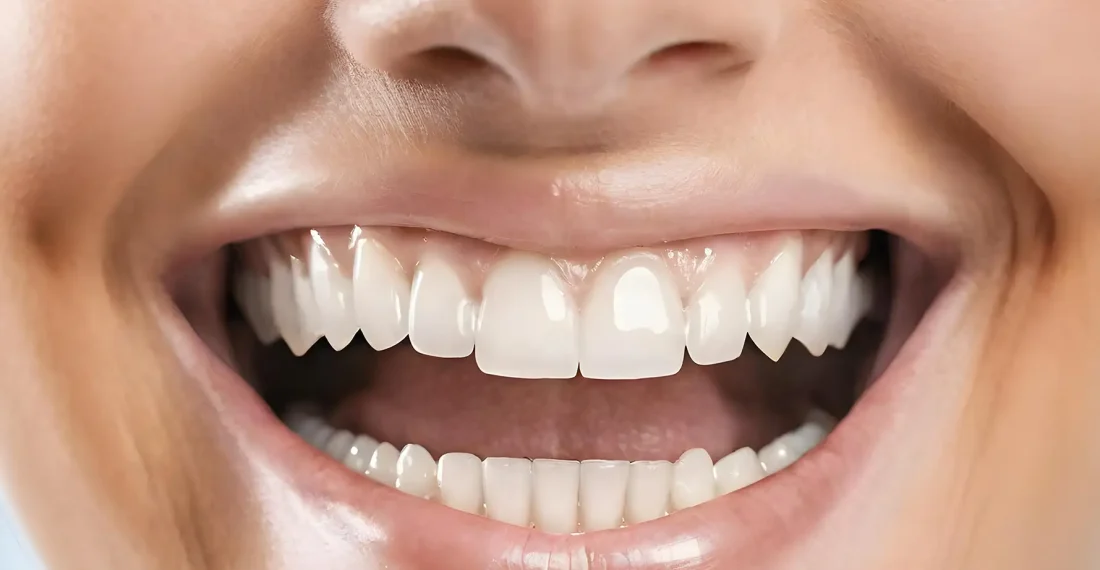
Human beings grow and crave changes throughout their lives, creating room for accidental incidents to sometimes damage or completely knock out their teeth. Adding to that, the rate at which teeth can build up wear and tear may not be noticeable within a day, but considering the amount of usage they go through, it is evident that in the long run the teeth will slowly begin to give in to all the abuse that they face. It could be due to plaque, cavities, or simply due to old age, but once a tooth has received enough damage, sometimes the only way forward becomes the removal of said tooth.
Losing a part of our body that is as essential as one’s teeth would introduce many difficulties in our day to day lives. Considering how it is due to our teeth that we get to enjoy the vast assortment of food that we eat in our day to day life, but also how they play a secondary, but crucial role in creating a specific range of vocal sounds. The teeth, also being one of the first aspects of a person’s face that we tend to notice, plays quite an important role in giving people the confidence to present themselves to others. In this case, different insecurities can slowly start to build up in the case people start to get self conscious about any missing teeth that they may have. Without a doubt, losing such a vital part of our daily life will undoubtedly leave us with many limitations, making us seek to get dental treatments to try and resolve these issues.
One of the many common questions that patients in such a situation have are: what are dentures? Will they even be able to provide enough benefits for someone in my situation without becoming an everyday hassle instead? To answer the first question in a simple manner, dentures are custom-made, removable appliances designed to replace missing teeth and the surrounding gum tissue. While the technology has advanced significantly, the primary goal remains the same: to restore your ability to chew, speak clearly, and smile with confidence. At Warner Dental, we recognize that every patient’s needs are unique, which is why we offer a spectrum of solutions, from partial appliances to full-arch restorations. Whether you are looking for information on how to care for dentures or investigating how to fix missing teeth without implants, this guide provides a comprehensive roadmap for your prosthetic journey.
So, how much do dentures cost in today’s market? In Australia, prices vary based on complexity and location. For 2026, you can generally expect the following price ranges:
If you are researching how much dentures can cost in Australia, keep in mind that “economy” options can start as low as $500, but these often lack the customization and durability of premium sets. If you are looking for a specific answer to how much partial dentures can cost in Australia, the average falls between $700 and $2,800, entirely depending on how many teeth need replacing. Factors like tooth extractions will also add to the total, with simple extractions typically costing between $75 and $300 per tooth.
We believe dental care should be accessible for all. If you hold a Pensioner Concession Card or a Commonwealth Seniors Health Card, you may be eligible for subsidized care. In Queensland, eligible residents can use Queensland Health Dental Vouchers to access emergency and general dental care at private clinics.
Additionally, Australian clinics proudly support our veterans. The Department of Veterans’ Affairs (DVA) provides dental benefits for eligible veterans, covering check-ups, cleanings, and dentures. These programs can significantly reduce out-of-pocket costs, making it easier for you to afford the high-quality care that you deserve, no longer worrying about how much do dentures cost. While not for pensioners, the Child Dental Benefits Schedule (CDBS) is another government-funded program that provides up to $1,052 over two calendar years for basic dental services for eligible children.
Even with rebates, the total amount for getting and maintaining dentures can still cost quite a bit, proving to be a concern for many families still. To help bridge the gap, Warner Dental offers approved payment options through different third-party providers, each providing their own method of assistance:
By utilizing these plans, you can get the treatment you need now and pay it back in a way that doesn’t destroy your budget. Whether you are looking for a full set or a single-tooth partial denture service, our team is here to help you find a financial path that works best for you.
Furthermore, make the most of your denture treatment plans. With proper care and regular reviews, most dentures will provide 5 to 8 years of service before needing replacement.
The first step in any restorative plan is determining the extent of tooth loss. If you have lost all your teeth in the upper jaw, lower jaw, or both, full dentures (also called complete denture services) are the standard clinical recommendation. These dentures are designed to provide full facial support and restore the entire row of teeth in your jaw, also known as a dental arch.
However, in the case where you still have healthy, natural teeth remaining, partial dentures are often the ideal choice. These appliances use your remaining natural teeth as anchors and fill the gaps left by missing teeth. Understanding whether you need a full or partial set is essential to determine another one of people’s common concerns: how much do dentures cost, as the complexity of the design and the materials required can vary based on your specific case regarding oral anatomy, presence of any allergies, or any long-term medications that can react to parts of the materials used. Many patients prefer the use of dentures because it is a non-surgical, versatile, and clinically established solution for their dental needs.
Many people assume that dental implants are the only modern way to restore a smile, but that isn’t the case. If you are looking to fix your missing teeth without undergoing dental implants, be it for their costs, the surgery that they require, or for a completely different personal reason, full and partial dentures offer a highly effective and less invasive alternative. These are particularly suitable for patients who may not have enough bone density to support dental implants or those who prefer a non-surgical treatment path. Furthermore, not all of the dental cases require the use of full dentures. The more common cases are when people lose a couple of teeth to either accidents or dental issues. In cases like these, partial dentures can provide the best help for people who just don’t feel as ready to commit to dental implants.
Choosing to use dentures is about more than just aesthetics; it’s about preserving your oral health. Without a replacement, surrounding teeth can begin to shift into the newly vacant space, leading to bite problems that, in the worst case, can progress to tooth loss. By choosing a partial denture solution, you maintain the alignment of your natural teeth while also retaining full oral function. If you are curious about how much dentures cost in Australia for this specific type of restoration, they are generally much more affordable than implant surgeries, making them a popular choice for budget-conscious families.
For those specifically needing partial services, a common question is: how does a single-tooth denture stay in? These devices rely on a smart mechanical fit. Most partials use small, discreet metal or acrylic denture clasps that hug the adjacent natural teeth to act as anchors. In some cases, a ‘rest’ is added, which is a small extension that sits on a prepared surface of a nearby tooth in order to distribute chewing forces and prevent the denture from sinking into the gums.
Stability is further enhanced by the natural suction created by the moisture in your mouth. For people looking to fix missing teeth without implants, understanding these retention mechanisms can give you the confidence that your partial denture will stay secure while you eat and speak.
One of the more important decisions that you will make with your dentist is selecting the material to be used for your dentures. The materials used will affect everything from comfort to how much they can cost.
These are the most commonly used and affordable denture services. They consist of a gum-colored acrylic base with prosthetic teeth attached. While they are easy to repair, they can be slightly bulkier than other materials, an issue often offset by the fact that they are generally the most affordable option compared to other denture materials.
These dentures use a durable, thin metal framework that relies on surrounding teeth for support, making them be used primarily as partial dentures. They are incredibly strong, so they don’t cover as much of the oral palate, allowing a more “open” feel in the mouth. Chrome cobalt is the gold standard for long-term durability, providing a premium feel and pricing for its usage. They do typically last 7–10 years, offering better value in the long-term.
These are made from a thermoplastic material that is flexible enough to bend and provide a better fit for the contours of your mouth. They are highly aesthetic because they lack visible metal clasps, making them ideal for patients with metal sensitivities. They are relatively difficult to reline or repair, though, and their costs generally fall between chrome cobalt and acrylic options.
At Warner Dental, we follow a rigorous five-stage process to ensure your new smile fits perfectly. Knowing how dentures are made and applied can also help to alleviate any anxiety for patients undergoing the treatment, as they get to know beforehand what steps are included, to make their denture service a success.
We begin with a clinical examination and digital scans to establish your expectations and discuss options that would better suit your needs.
We take precise molds of your mouth and record your jaw alignment to ensure the created dentures can support a functional bite.
This is where you get a preview of the shape, size, and color of your new teeth. We note down adjustments that are necessary to be made in this step before moving forward with crafting the finalised version.
The final appliance is delivered and adjusted for immediate comfort. We also provide initial instructions on how to care for dentures during this visit.
Your mouth will change as it heals, so follow-up appointments are vital to assess the fit and make necessary refinements according to the changes, if any.
The modern era of dentistry has moved beyond messy putty impressions. At Warner Dental, we utilize 3D Digital Scanners and 3D Printing to revolutionize the patient experience. This technology allows us to create a digital “map” of your mouth with incredible precision.
Digitally mapped dentures are not only more accurate but also significantly faster to produce, sometimes reducing the turnaround time by up to 300%. Because the design is stored digitally, even if you ever lose or break your appliance, we can simply re-print a new one from the existing file. This innovation also ensures the materials are stronger and more resistant to breakage compared to traditional handcrafted methods.
To fully decide whether or not to commit to getting dentures, you may want to research more on how you can better take care of the new set of teeth so that they will last for a long time. You may come across a common misconception that because the dentures aren’t real teeth, they may not require the same level of care and cleaning as normal teeth. So then, can dentures build tartar/plaque? The answer is a definitive yes. Plaque is a sticky & thin film of bacteria and food particles that forms on any surface in the mouth. If it isn’t removed through daily cleaning, it hardens into tartar (also known as calculus), which can cause bad breath, staining, and gum irritation.
Because dentures lack natural enamel, once tartar begins to form and harden, it requires special care during removal to avoid damaging the denture. This is why learning how to clean dentures properly is the most important habit for any new wearer.
If you make a 50/50 mix of white vinegar with warm water and soak your dentures in it, any light tartar buildup would start to dissolve, although you should make sure to avoid getting vinegar on appliances with metal components to prevent corrosion. Even simply soaking the dentures in plain water would be beneficial for their maintenance. If you own an acrylic denture, then soaking it is even more important as you risk warping or cracking it over time if it is not soaked, due to a lack of moisture. One of the best ways to take care of your dentures is by establishing a routine. If you consistently maintain the cleaning routine, you will no longer be dependent upon your dental clinic regarding how to clean dentures.
While these home options can be effective for daily maintenance, professional denture cleaners are the “gold standard” for removing bacteria. So while you may not necessarily need to use store-bought soaking solutions every single night, you should know that these commercial solutions are designed to eliminate up to 99.9% of bacteria and prevent deep stains that home remedies cannot always match. Thus, using clinically recommended products every now and again according to your dentist’s recommendations should provide ample care to maintain your dentures’ health.
To maintain daily care, follow these steps:
Knowing how to sanitize dentures and also how to wash them correctly ensures they remain hygienic and odor-free for years.
Over time, you may find that your dentures feel loose. This happens due to “bone resorption”, a natural process where the jawbone can shrink as it is no longer binding the roots of natural teeth. When this happens, a “reline” may be necessary, which adds new material to the base of the denture to provide a tighter fit.
On a similar note, what would you do if an accident happened? Many patients ask the question: how to fix broken dentures at home. We strongly advise against using DIY kits or superglue, as these can be toxic and often ruin the chances of a successful professional repair. If your denture is slipping, you might wonder what you can use that can serve as a denture glue. While adhesive strips or powders are common, natural remedies like a thin layer of aloe vera gel or coconut oil can provide a very temporary, mild grip. However, a persistent loose fit is a sign you need a professional adjustment or a reline.
Even if your dentures feel comfortable, an annual review at Warner Dental is highly recommended. Warner Dental’s Routine Dental Check-up service provides ample care for not only your denture appliances, but we also update your medical history and perform oral screenings and tests to detect changes like improvements or abnormalities present in your oral cavity caused by wearing the dentures.
We also assess the integrity of your dentures, looking for microscopic cracks or loosening of any surrounding teeth that you may find difficult to notice. These timely reviews help ensure your dentures continue to support your facial structure correctly and don’t cause tissue irritation or bone loss. Regular visits are a key part of taking care of dentures over a longer term.
Beyond the base price of the dentures, you should account for some preparatory treatments like tooth extractions (if required) and the possibility of needing maintenance in the long-term, such as professional relines.
To elaborate, simple tooth extractions in Australia typically cost between $75 and $300 per tooth. Furthermore, your jawbone naturally undergoes “bone resorption” over time, which can cause dentures to become loose. To fix this, you might be recommended to undergo a “reline”, which is a process where a professional adds new material to the base of the denture to ensure it fits snugly once again.
Flexible nylon is the recommended choice for patients with sensitivities, as it is metal-free and bends naturally with the contours of your mouth.
If you have metal allergies or particularly sensitive gum tissue, flexible nylon offers a highly aesthetic and biocompatible solution. Unlike traditional options, these dentures lack visible metal clasps and are made from a thermoplastic material that is flexible enough to move with your mouth’s natural changes. While they provide excellent comfort and a discrete look, it is worth noting that they are relatively difficult to reline or repair compared to acrylic or metal-based versions.
If you prioritize a relatively open feel or have concerns about metal, ask about flexible nylon during your initial consultation.
Yes, with proper maintenance and regular reviews, most dentures provide a service life of 5 to 8 years.
Although the longevity of your restoration largely depends on the material you’ve chosen and your care routine. Chrome cobalt dentures are considered the gold standard for durability and can often provide 7 to 10 years of reliable service. To reach these milestones, it is vital to avoid DIY repairs and attend timely assessments to check for microscopic wear and tears.
Think of your dentures like a high-performance vehicle: regular professional ‘servicing’ via is the best way to hit that 8-year mark.
It is highly recommended to remove your dentures at night to soak them, which prevents warping and maintains oral hygiene.
Your dentures, especially the acrylic ones require constant moisture to maintain their shape. If they are not soaked, you risk them warping or cracking over time. Since the soaking solutions that dissolve light tartar buildup aren’t safe to consume, you will have to take off the dentures to clean them anyway. So by removing them at night, you also get to passively clean them when they have no use. These professional soaking solutions can eliminate up to 99.9% of bacteria that cause bad breath and gum irritation, so they are recommended for use from time to time.
Always keep a container of plain water or a dedicated cleaning solution on your nightstand to ensure your dentures stay hydrated while you sleep.
Standard toothpaste contains materials that are too abrasive and risk creating microscopic scratches that act as breeding grounds for bacteria and stains.
Although dentures look like natural teeth, they lack protective enamel. Regular toothpaste can create tiny scratches on the surface of the prosthetic material, which can lead to plaque and tartar (calculus) buildup that is difficult to remove.
Sticking to a soft-bristled denture brush and a non-abrasive cleaner to keep the denture surface smooth and plaque-free is the safest way.
Contact your dental clinic immediately and avoid all DIY fixes, as superglue or home kits with unknown materials can be toxic or cause permanent damage.
Within modern clinics that employ 3D scanning and printing technology, your denture’s design is stored digitally. So even if your appliance is severely broken, a new one can often be re-printed quickly from the existing digital file, ensuring a perfect fit without starting the process from scratch.
Since most glues are either toxic or don’t provide enough adhesive capabilities to reliably hold dentures together anyway, please contact your dental clinic first.
While there is an adjustment period, modern dentures are designed to restore clear speech to improve your oral experience.
Teeth play a secondary but crucial role in creating a specific range of vocal sounds. If you are concerned about the bulkiness of the appliance affecting your comfort or taste, chrome cobalt dentures utilize a thin, durable metal framework. This material leaves more of your oral palate exposed, allowing for a less intrusive feeling in the mouth while wearing said dentures.