
For routine visits, emergencies, and general enquiries
Get Direction
Emergency Dentistry
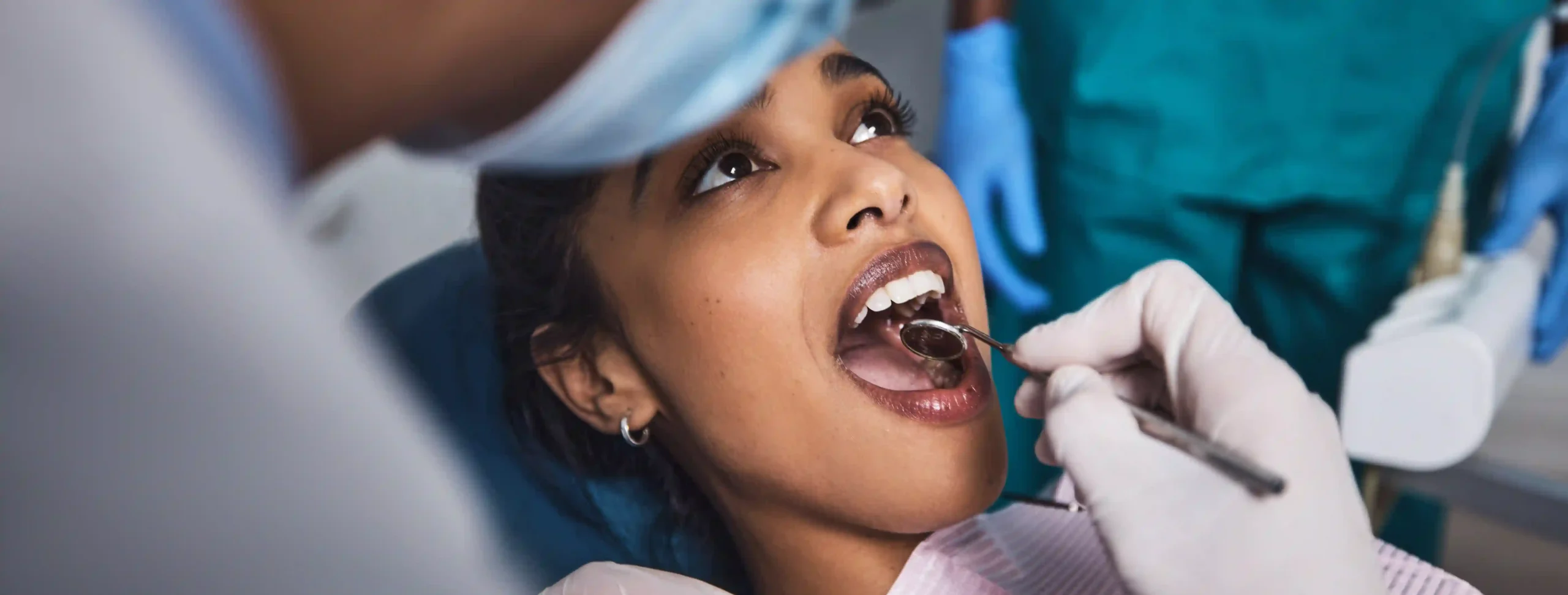
Chipping or breaking a tooth can be a shock, but most cases are repairable, and acting quickly gives your tooth the best chance. Here is what to do in the first few minutes:
At Warner Dental we repair chipped and broken teeth for patients across Warner and North Brisbane, with same-day appointments where possible. Suitability and the right repair are confirmed at your visit. Outcomes vary between patients, and this page is general information, not a diagnosis.
No. A chip does not grow back. Tooth enamel cannot regenerate the way bone can, so a broken piece will not repair itself over time.
Even a small chip can matter. It can leave a sharp edge, become sensitive, or let bacteria reach the inner layers of the tooth. Having it checked early is usually simpler and less costly than waiting until it worsens.
Teeth are strong, but they have limits. Common causes include:
A chipped front tooth is often a cosmetic worry, while a broken back tooth can affect how you chew. Either way, an assessment shows how deep the damage goes.
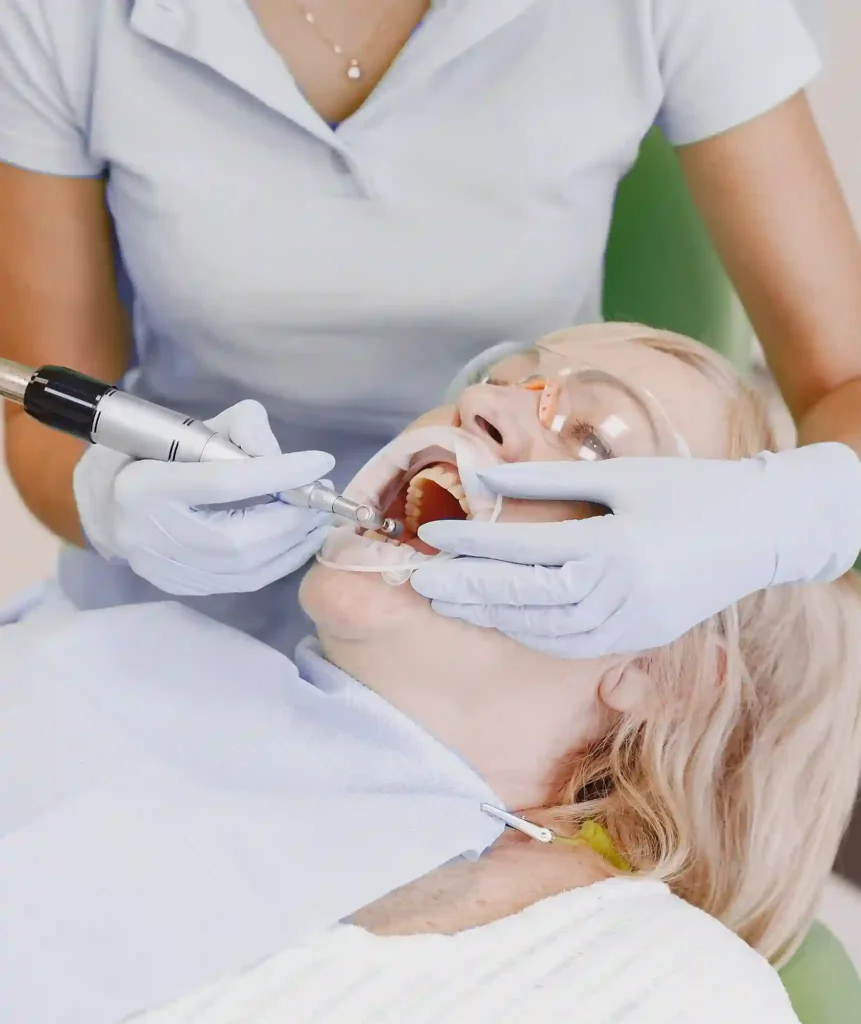
The right repair depends on how big the break is, where it sits, and whether the inside of the tooth is affected. Your dentist explains the options that suit your tooth, along with their benefits and limitations.
For a small chip, tooth-coloured composite resin is shaped onto the tooth to rebuild it in a single visit. This is a common fix for a chipped front tooth.
When more of the tooth is missing, a dental crown can cap it to restore strength and protect what remains.
For visible front teeth, dental veneers may be an option where clinically appropriate. If you are weighing your choices, this guide to bonding versus veneers helps explain the difference.
If the break exposes the nerve, root canal treatment may be needed to save the tooth before it is restored.
In the uncommon case where a tooth cannot be saved, tooth extraction may be recommended, followed by a discussion of replacement options.
It is tempting to search for a home fix, and repair kits are sold online, but they cannot restore the structure of a tooth or seal it properly. At best they mask the problem. At worst they trap bacteria, damage the tooth further, or delay the care you need.
Filing a sharp edge, using glue, or leaving a break exposed can turn a simple repair into a complex one. A professional assessment is the safe way to know what you are dealing with.
Even when a chip does not hurt, the inside of the tooth may be affected. Leaving it can lead to:
Getting in early usually means a smaller, simpler repair.
Not every chip is urgent, but some are. Seek prompt care if you have significant pain, a large break, bleeding, swelling, or a piece of tooth that has come away and left a sharp or exposed surface.
If it happens after hours, our guide on a chipped tooth at night can help you decide what to do next, and you can find urgent care through our emergency dentist in Warner page. For an injury from a knock or fall, see dental trauma.
There is no single price, because it depends on the repair your tooth needs. A small bonding repair differs from a crown or a veneer, and your health fund cover affects what you pay out of pocket.
After your assessment, you receive an itemised written treatment plan, so you can see each part of the cost before deciding whether to go ahead.
If the tooth that chipped is part of a denture rather than a natural tooth, that is a different repair. Please see our denture repairs page, which covers cracked and broken denture teeth.
A chipped or broken tooth is easier to treat sooner rather than later, even when it does not hurt. Book a consultation or call (07) 3882 3200 and we will arrange an assessment.
This information is general in nature and does not replace personalised dental or medical advice.
Protect your smile with regular care at Warner Dental.
FAQs
Even a small chip is worth having checked, because a dentist can tell whether the inner layers are affected. Some minor chips only need a quick smooth and polish, while others need bonding or a crown. Getting it assessed means you avoid a small problem quietly becoming a bigger one.
Not always. A shallow chip in the outer enamel may not hurt at all. Pain, or sensitivity to hot, cold, or sweet foods, usually means the break has reached the deeper, more sensitive layers, which is a sign to be seen promptly.
There is no safe fixed period, and it is best not to wait. A tooth with a broken surface is more exposed to bacteria and further damage, so the longer it is left, the greater the chance a simple repair becomes a more complex one. Book an assessment as soon as you reasonably can.
That is the aim. Bonding, crowns, and veneers all use tooth-coloured materials matched to your surrounding teeth. For a front tooth especially, your dentist takes care to blend the shade and shape so the repair is hard to spot.
Often, yes. Even when a break is deep, options such as a crown, sometimes combined with root canal treatment, can save many teeth. Whether a tooth can be kept depends on how much healthy structure remains, which your dentist assesses with an examination and X-ray.
Keep it if you can, and store it in a little milk or water rather than letting it dry out. Bring it to your appointment. It cannot always be reattached, but it can help your dentist understand the break.
Yes. Ongoing grinding or clenching puts heavy force on your teeth and can chip or crack them over time. If grinding is behind your chip, your dentist may suggest ways to protect your teeth, so the same thing does not keep happening.
Many private health funds with extras cover contribute toward repairs such as bonding, crowns, or veneers, but the amount depends on your fund, your level of cover, and any annual limits. We give you an itemised treatment plan you can check against your policy before you commit.
Prompt assessment and treatment to relieve discomfort and address the underlying cause.
Repairing damaged teeth to restore function and protect against further problems.
Fast adjustments or repairs to restore comfort and usability.
Urgent care for injuries caused by accidents, sports, or unexpected impacts.
Immediate treatment of infection to relieve pain and prevent complications.
Replacing or repairing restorations to protect exposed teeth.
Identifying and managing the cause of sudden or ongoing tooth sensitivity.
Gentle treatment to relieve pain and support proper healing after extraction.
Assessment of persistent sores and thorough screening for early detection of oral abnormalities.