
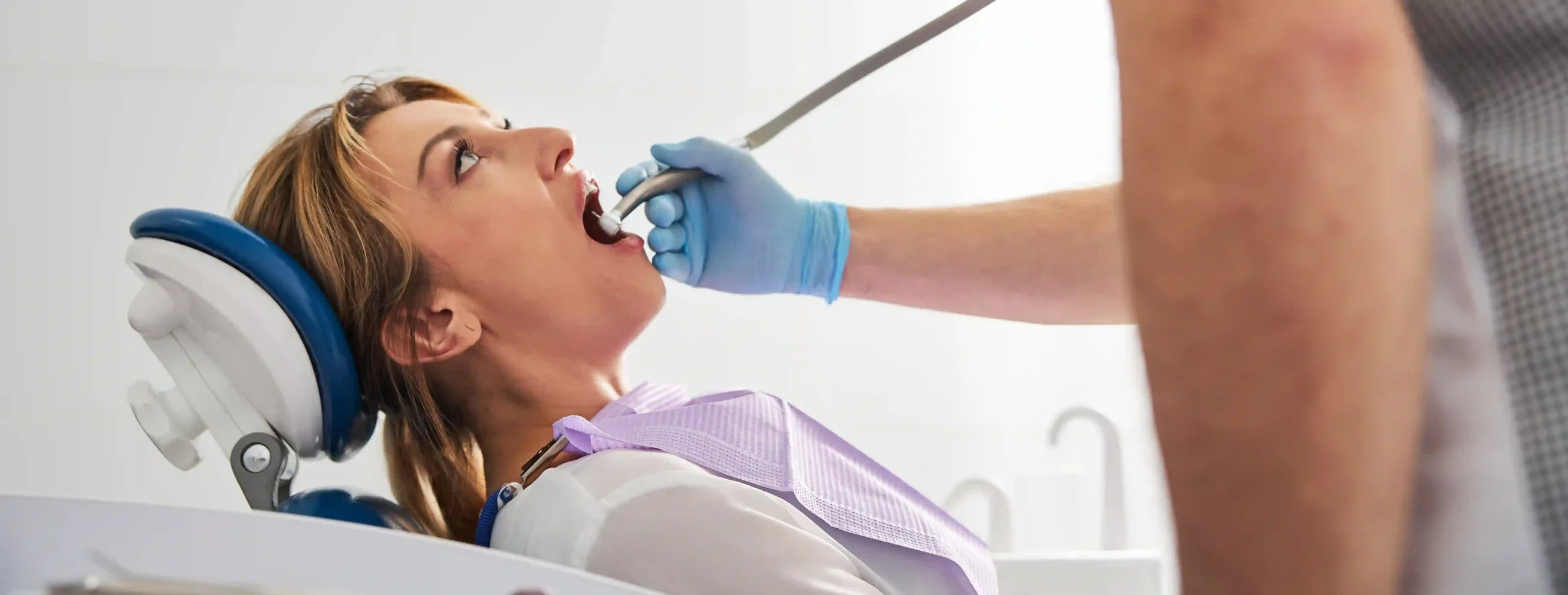
Toothache can range from mild sensitivity to sharp, throbbing, or constant pain. While some people search for ways to manage discomfort at home, persistent toothache often signals an underlying issue that requires professional care.
At Warner Dental, we provide prompt, evidence-based treatment focused on lasting toothache relief. Our goal is to relieve dental pain quickly while identifying and treating the underlying cause to protect your long-term oral health.
Understanding the cause of dental pain is the first step toward effective treatment. Toothache may result from:
Because symptoms can overlap, professional examination is essential to determine the exact cause.
Many patients search for how to relieve toothache or look for a temporary dental pain remedy at home. While short-term measures may help reduce discomfort, they do not treat the source of the problem.
These steps may help you relieve dental pain temporarily. However, professional treatment is necessary to prevent worsening infection or complications.
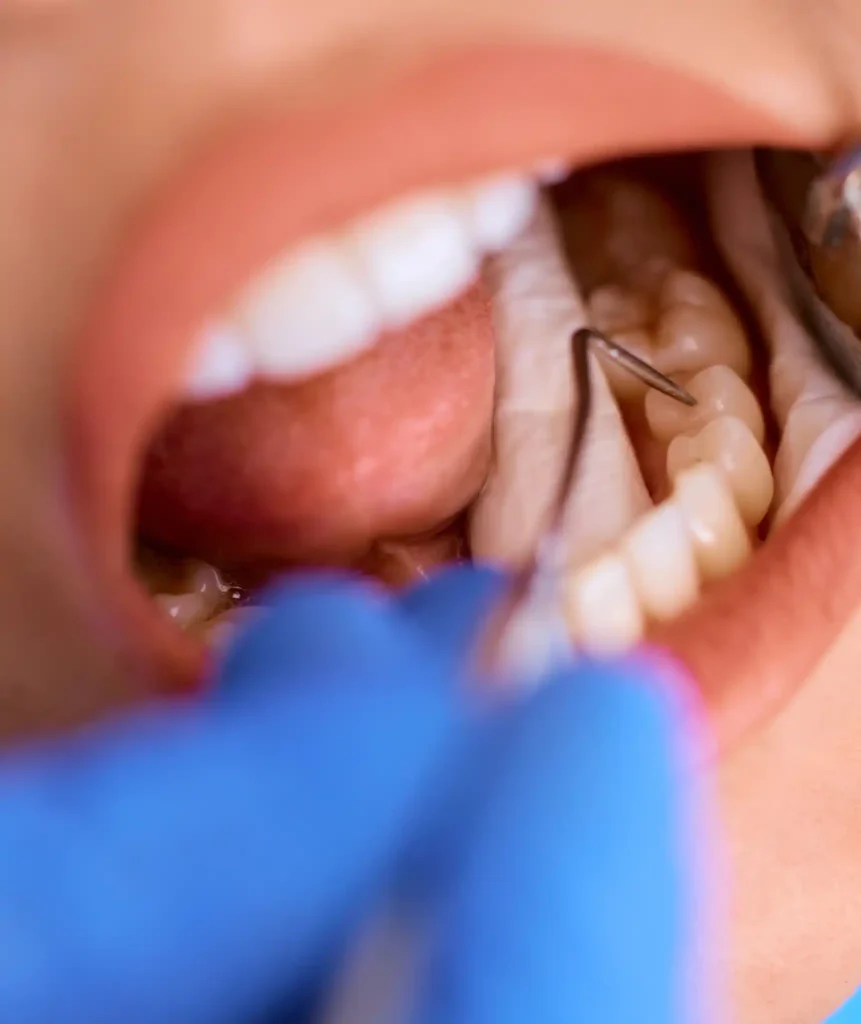
Our focus is on long-term toothache relief, not just masking symptoms.
Depending on your diagnosis, treatment may include:
All treatment recommendations are tailored to your individual clinical needs.
Ignoring toothache can lead to:
Prompt professional care helps relieve dental pain safely and reduces long-term risk.
Following treatment, we may recommend:
Preventive care is key to reducing future episodes of dental pain.
We are located at Marketplace Warner, Brisbane, and support patients experiencing both urgent and ongoing dental concerns.
Toothache should not be ignored. Severe or persistent pain may indicate infection or other serious dental conditions.
📞 Call Warner Dental today to arrange an appointment.
Outcomes vary between patients, and all treatments carry risks and possible complications.
Protect your smile with regular care at Warner Dental.
The fastest way to relieve a toothache is to reduce inflammation and avoid irritation. A cold compress, saltwater rinse, and over-the-counter pain relief may temporarily reduce discomfort until you see a dentist.
Many people search for how to relieve toothache quickly, but home measures only provide temporary relief. A cold compress can reduce swelling, while saltwater helps clean the area. Pain medication may help reduce inflammation. However, toothache is usually caused by decay, infection, or structural damage that requires professional treatment. Ignoring symptoms may lead to worsening pain or infection spread.
Book a dental appointment promptly if pain lasts longer than 24–48 hours.
Sudden dental pain is commonly caused by tooth decay, infection, a cracked tooth, or gum inflammation. It may also result from grinding, wisdom tooth eruption, or a loose filling exposing sensitive tooth structures.
The cause of dental pain varies between patients. Sharp, sudden pain may indicate nerve involvement, while dull throbbing pain often suggests infection. Sensitivity to hot or cold can signal enamel wear or decay. Without examination and digital imaging, it is difficult to determine the exact cause. Early assessment helps prevent complications such as abscess formation or tooth loss.
Do not ignore sudden pain, early diagnosis makes treatment simpler and more predictable.
You should see a dentist for a toothache if pain is severe, lasts more than two days, involves swelling, or is accompanied by fever, bad taste, or difficulty chewing.
Persistent toothache rarely resolves without treatment. Infection around the tooth root can spread if untreated, potentially affecting surrounding tissues. Even mild but ongoing discomfort may indicate decay progressing toward the nerve. Seeking dental pain help early allows for more conservative treatment options and reduces the likelihood of complex procedures.
If pain disrupts sleep or daily activities, contact a dentist as soon as possible.
A toothache may temporarily settle, but it rarely resolves permanently without treatment. The underlying issue, such as decay or infection, typically remains and may worsen over time.
Some patients experience fluctuating symptoms, leading them to delay treatment. However, nerve irritation or infection can progress silently even if pain reduces. Temporary relief does not mean healing has occurred. Untreated dental infections may eventually cause swelling, abscess formation, or more extensive damage.
Even if pain improves, schedule an assessment to identify the underlying cause.
The best temporary dental pain remedy is a cold compress combined with appropriate over-the-counter pain medication and saltwater rinses. These measures may reduce discomfort but do not treat the source.
Many patients search for how to relieve dental pain at home. While temporary measures can help reduce inflammation, they do not remove decay or eliminate infection. Applying aspirin directly to gums is not recommended, as it may irritate tissue. Professional treatment is necessary for lasting relief and to prevent further complications.
Use home remedies only as short-term support while arranging professional care.
Digital X-rays are often required to diagnose toothache accurately. They help identify decay, infection, fractures, or bone changes that may not be visible during a clinical examination alone.
Pain can originate beneath the surface of the tooth or below the gumline. Digital imaging allows dentists to assess nerve involvement, abscess formation, and structural damage. Accurate diagnosis ensures appropriate treatment planning and reduces the risk of incomplete care.
Trust diagnostic imaging recommendations, they guide safe and effective treatment decisions.
During an emergency appointment, the dentist examines your teeth, may take digital X-rays, identifies the cause of pain, provides immediate relief where possible, and discusses definitive treatment options tailored to your condition.
Emergency visits focus first on relieving discomfort and stabilising the issue. This may involve temporary treatment, drainage of infection, or medication where clinically appropriate. A follow-up appointment is sometimes required for definitive care such as root canal therapy or restoration.
Follow all aftercare instructions carefully to support healing and prevent recurrence.
Prompt assessment and treatment to relieve discomfort and address the underlying cause.
Repairing damaged teeth to restore function and protect against further problems.
Fast adjustments or repairs to restore comfort and usability.
Urgent care for injuries caused by accidents, sports, or unexpected impacts.
Immediate treatment of infection to relieve pain and prevent complications.
Replacing or repairing restorations to protect exposed teeth.
Identifying and managing the cause of sudden or ongoing tooth sensitivity.
Gentle treatment to relieve pain and support proper healing after extraction.
Assessment of persistent sores and thorough screening for early detection of oral abnormalities.