
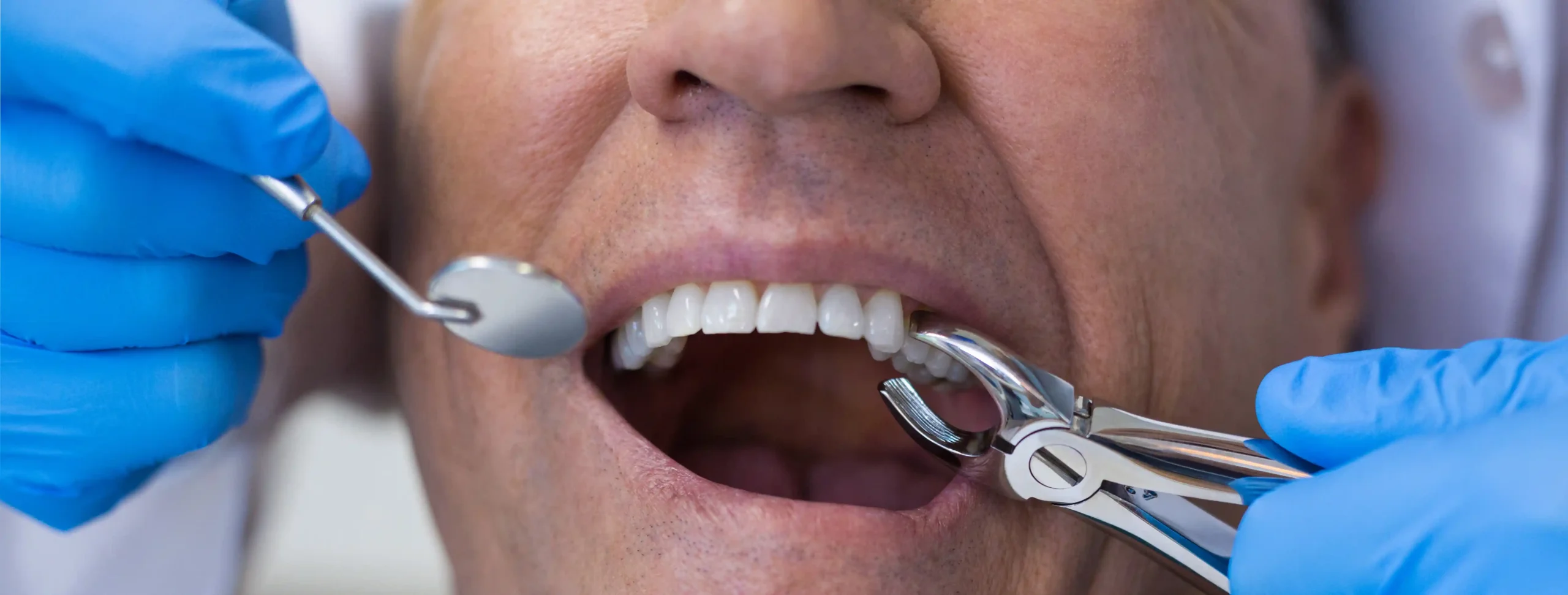
Tooth extraction is sometimes necessary when a tooth cannot be restored or when removal protects overall oral health. While preserving natural teeth is always prioritised, extraction may be the most appropriate option in certain clinical situations.
At Warner Dental, extractions are performed by dentists registered with the Dental Board of Australia, following Australian infection control and safety standards. Our approach focuses on careful assessment, informed consent, and structured aftercare to support healing.
A tooth extraction may be indicated when clinical and radiographic findings show that the tooth is no longer suitable for restoration.
Common reasons include:
Diagnosis is confirmed through examination and digital imaging before any recommendation is made.
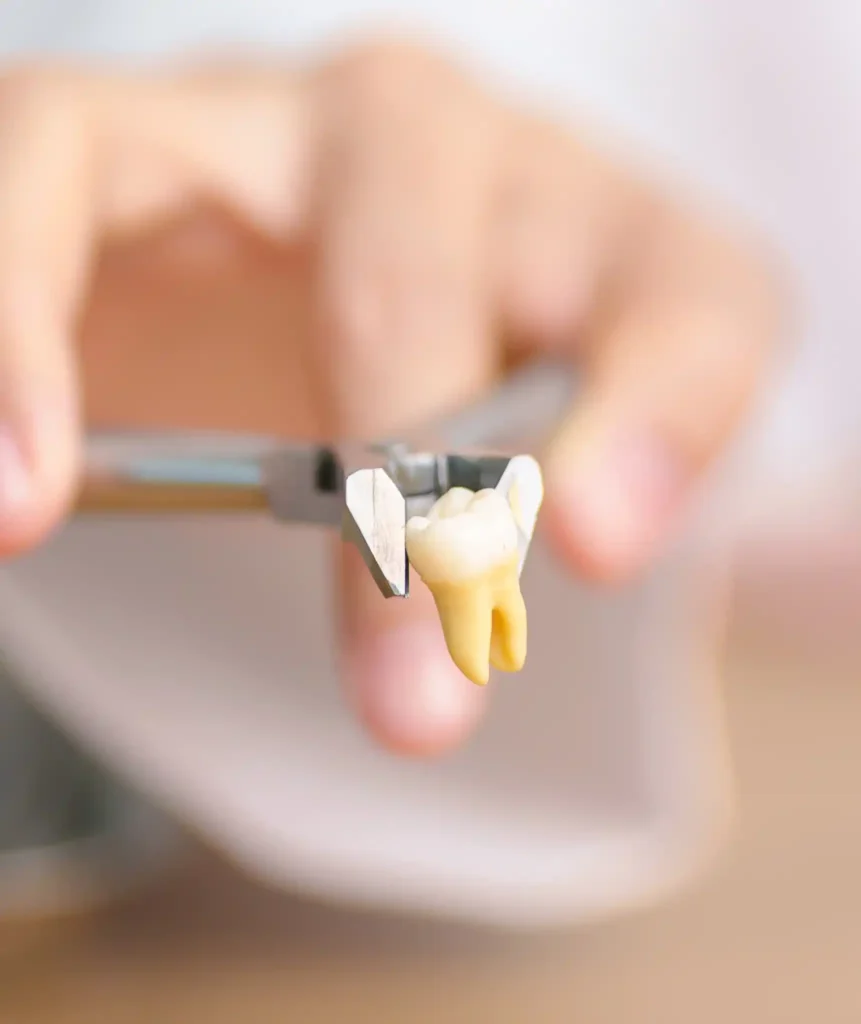
As with all surgical procedures, tooth extraction carries potential risks, including:
Your dentist will explain these risks and answer questions prior to treatment.
Certain medical conditions and medications may influence healing or bleeding risk.
These may include:
We review your full medical history before treatment and may liaise with your GP if necessary.
Proper aftercare significantly reduces complications and supports healing.
Most patients recover within several days, though surgical extractions may take longer.
If you are wondering what to eat after tooth extraction, soft and easy-to-chew foods are recommended during early healing. Suitable options include:
Avoid hot, crunchy, or spicy foods for several days, as they may irritate the surgical site.
Tooth extraction cost varies depending on:
A personalised assessment allows for accurate treatment planning and transparent fee discussion prior to treatment.
If you are experiencing pain, infection, or have been advised that a tooth may need removal, early assessment helps determine the safest and most appropriate treatment plan for your oral health.
Protect your smile with regular care at Warner Dental.
A tooth extraction may be required when a tooth is severely decayed, infected, damaged beyond repair, or contributing to crowding or gum disease.
Dentists aim to preserve natural teeth whenever possible. However, if decay or infection has progressed too far, or if a tooth is fractured beyond restoration, removal may protect surrounding teeth and bone. Extractions are also sometimes recommended before orthodontic treatment or when impacted wisdom teeth cause complications. Diagnosis is confirmed through examination and imaging before proceeding.
Seek assessment early if you experience persistent tooth pain or swelling.
Tooth extraction is performed under local anaesthetic, and most patients do not feel pain during the procedure, only pressure.
Modern anaesthetic techniques aim to ensure comfort throughout the procedure. Some mild discomfort or swelling may occur after the anaesthetic wears off, particularly with surgical extractions. This is usually temporary and manageable with recommended pain relief and appropriate aftercare. Persistent or worsening pain should be reviewed to rule out complications.
Follow all aftercare instructions carefully to reduce discomfort and complications.
After a tooth extraction, avoid smoking, using straws, forceful rinsing, and eating hard or hot foods for several days.
These activities can dislodge the protective blood clot that forms in the socket, increasing the risk of dry socket and delayed healing. Smoking significantly impairs healing and increases infection risk. Gentle care, rest, and following written instructions help protect the surgical site and promote recovery. Most complications are preventable with proper post-operative care.
Do not smoke for at least 72 hours after your extraction.
After a tooth extraction, soft, cool foods such as yoghurt, scrambled eggs, mashed vegetables, and soup are recommended.
Soft foods reduce irritation and minimise pressure on the healing site. Avoid crunchy, spicy, or very hot foods in the first few days, as they may disturb the clot or irritate tissues. Staying hydrated is important, but avoid drinking through a straw. Gradually reintroduce firmer foods as comfort improves and healing progresses.
Choose soft foods for at least 48–72 hours after the procedure.
Initial healing after a tooth extraction typically occurs within one week, though complete bone healing takes several weeks to months.
Most swelling and discomfort improve within a few days. Simple extractions generally heal faster than surgical ones. While gum tissue closes relatively quickly, bone remodelling continues gradually beneath the surface. Proper oral hygiene and follow-up visits help ensure stable healing and reduce complications such as infection or dry socket.
Contact your dentist if symptoms worsen instead of gradually improving.
Assessment and management of inflamed or bleeding gums to prevent progression to advanced gum disease.
Removal of plaque and tartar from below the gumline to treat periodontitis and reduce infection.
Careful removal of teeth that are severely decayed, infected, or structurally compromised.
Assessment and removal of impacted or problematic wisdom teeth to prevent pain, infection, or crowding.