
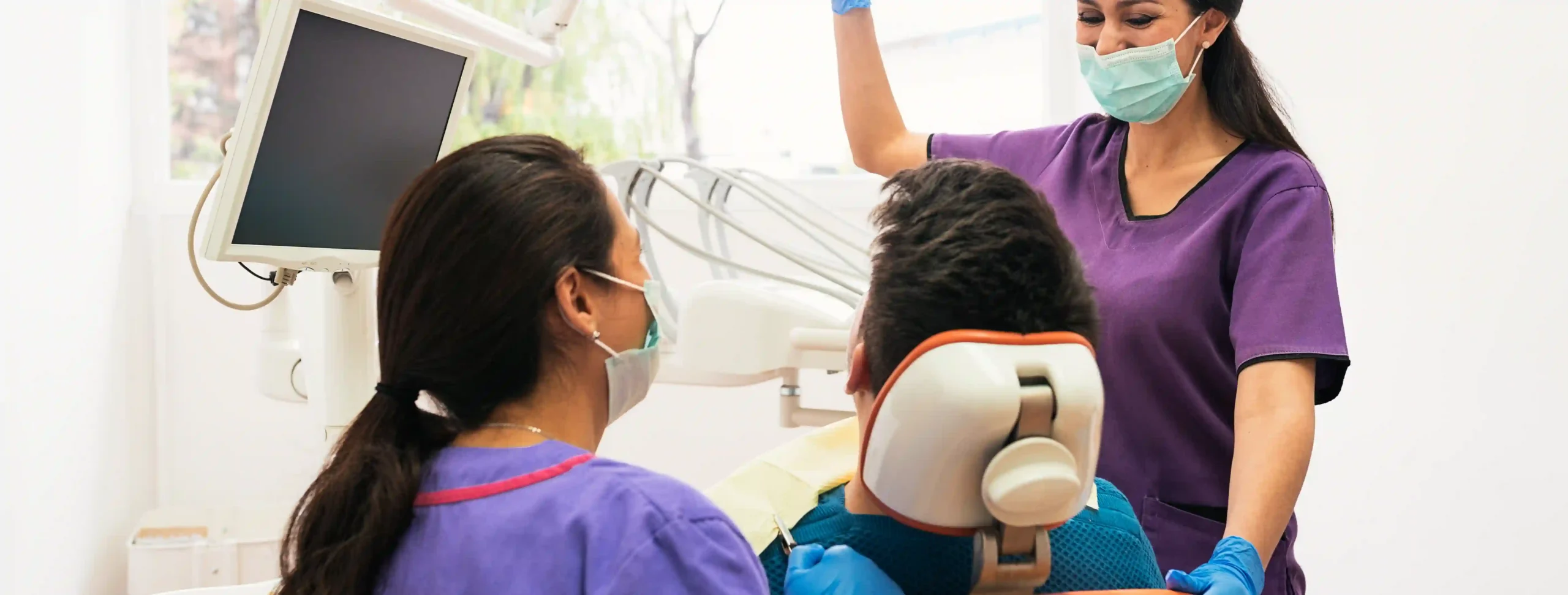
Occasional mouth ulcers are common and usually harmless. However, persistent, painful, or unusual lesions may require professional assessment. At Warner Dental, we provide care for oral ulcers and perform routine oral cancer screening as part of your comprehensive dental check-up.
Early assessment supports comfort, healing, and early detection of more serious conditions.
If you are wondering what is oral ulceration, it refers to the formation of small sores or lesions inside the mouth. These may appear on:
Most ulcers heal naturally within 1–2 weeks. However, persistent or recurrent ulcers should be assessed.
There are many possible oral ulcer causes, including:
Identifying the underlying cause helps guide appropriate management.
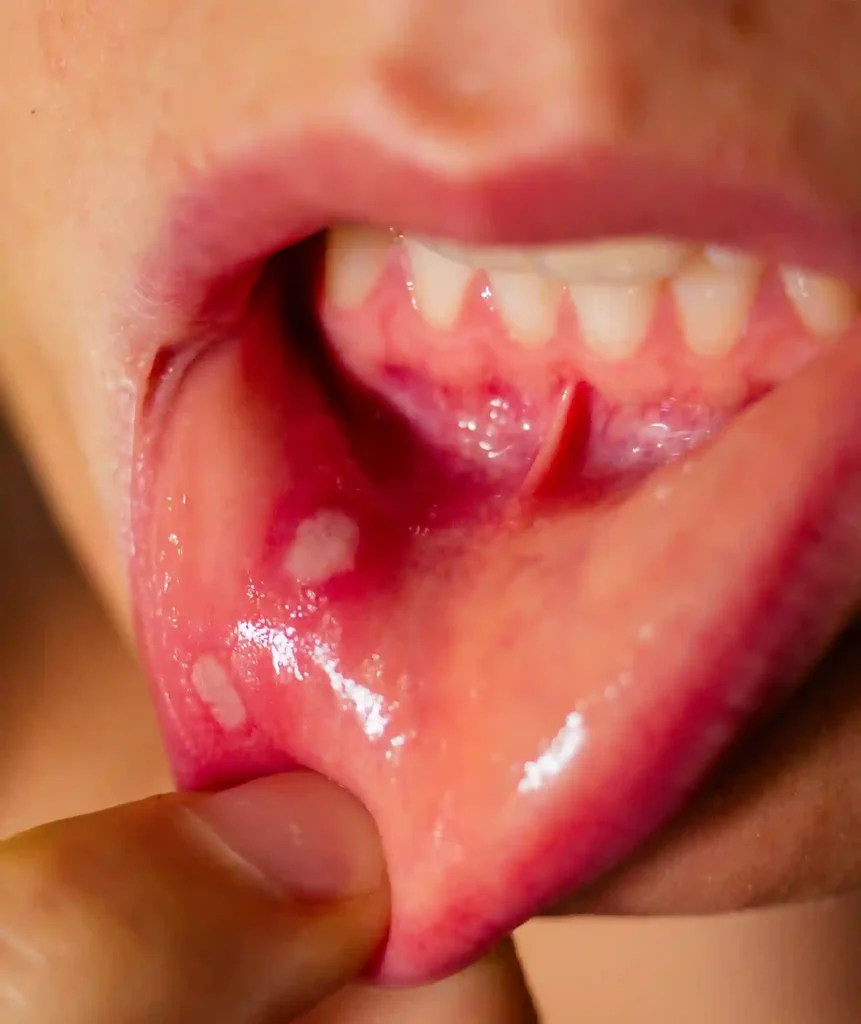
Most minor ulcers resolve within 7–14 days without intervention. If you are asking how long do oral ulcers last, healing time depends on:
Ulcers lasting longer than two weeks require professional evaluation.
Effective oral ulcer treatment focuses on relieving discomfort and addressing underlying causes.
Management may include:
If ulcers are recurrent or persistent, further investigation may be required.
If you’re searching how to heal oral ulcers, supportive measures may include:
Professional assessment ensures that more serious conditions are not overlooked.
Early detection is critical. Oral cancer screening is routinely performed during your dental examination at Warner Dental.
During screening, we assess for:
Many early symptoms of oral cancer are subtle and painless, which is why regular screening is important.
Persistent ulcers or unusual lesions may indicate underlying health concerns. Early identification:
Regular dental visits play an important role in prevention.
We are located at Marketplace Warner, Brisbane, and provide comprehensive oral health assessments.
If you have a persistent mouth ulcer or would like an oral cancer screening, contact Warner Dental for professional assessment.
📞 Call today or book online to arrange your appointment.
This information is general in nature and does not replace personalised dental or medical advice.
Protect your smile with regular care at Warner Dental.
Common oral ulcer causes include trauma from biting, irritation from dental appliances, stress, nutritional deficiencies, viral infections, and certain systemic conditions.
Ulcers often develop after minor trauma such as accidentally biting the cheek. Stress and immune response changes may also trigger ulcers. Nutritional deficiencies, particularly iron or vitamin B12, can contribute. Identifying patterns helps determine appropriate management and prevention strategies.
See a dentist if ulcers are frequent or persist beyond two weeks.
Most oral ulcers heal within 7–14 days. Ulcers lasting longer than two weeks should be assessed by a dental professional.
Healing time varies depending on the cause and severity. Minor traumatic ulcers typically resolve quickly once irritation stops. Persistent or worsening ulcers may require further evaluation to rule out infection or other conditions.
Book an appointment if healing does not occur within two weeks.
Healing can be supported by maintaining good oral hygiene, avoiding irritating foods, and protecting the ulcer from further trauma.
While most ulcers resolve naturally, reducing irritation promotes comfort and recovery. Professional evaluation ensures that persistent lesions are properly assessed and managed. In some cases, underlying causes such as nutritional deficiency may need to be addressed.
Avoid spicy or acidic foods while the ulcer is healing.
Symptoms of oral cancer may include non-healing ulcers, red or white patches, lumps, numbness, persistent pain, or difficulty moving the jaw or tongue.
Early symptoms may be subtle and painless. A sore that does not heal within two weeks is particularly important to assess. Regular oral cancer screening allows early detection, when treatment outcomes are generally more favourable.
Schedule routine dental check-ups for ongoing screening.
No. Oral cancer screening is a simple, non-invasive visual and physical examination performed during your routine dental visit.
The dentist examines soft tissues of the mouth, lips, tongue, and throat for abnormalities. The process is quick and does not require injections or special preparation. Screening is an important preventive health measure.
Attend regular dental check-ups to ensure ongoing monitoring.
Prompt assessment and treatment to relieve discomfort and address the underlying cause.
Repairing damaged teeth to restore function and protect against further problems.
Fast adjustments or repairs to restore comfort and usability.
Urgent care for injuries caused by accidents, sports, or unexpected impacts.
Immediate treatment of infection to relieve pain and prevent complications.
Replacing or repairing restorations to protect exposed teeth.
Identifying and managing the cause of sudden or ongoing tooth sensitivity.
Gentle treatment to relieve pain and support proper healing after extraction.
Assessment of persistent sores and thorough screening for early detection of oral abnormalities.