
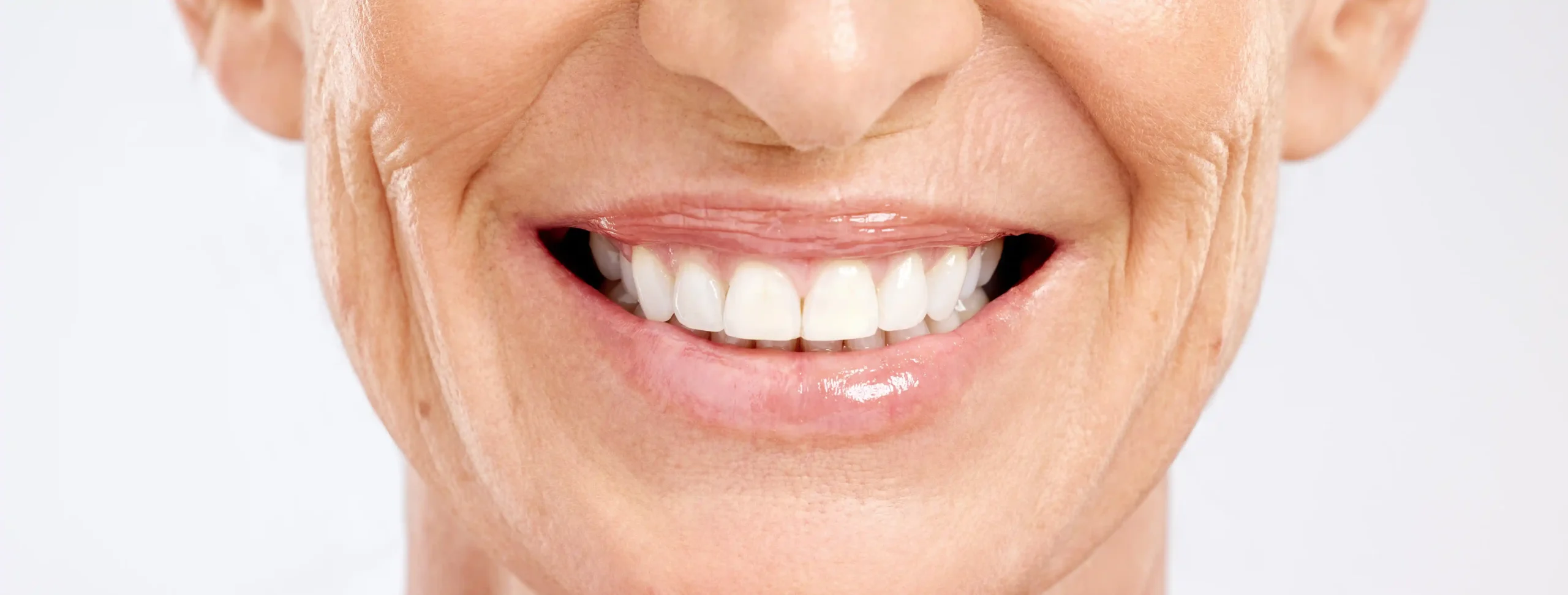
Full Mouth Rehabilitation is a comprehensive dental treatment approach designed to rebuild or restore all teeth in the upper and lower jaws. This process may involve multiple procedures that work together to improve chewing function, comfort, and overall oral health.
Full mouth reconstruction dentistry is typically recommended when several dental issues occur at the same time. Rather than treating each problem separately, a coordinated treatment plan addresses the entire mouth to restore function, stability, and aesthetics.
At practices offering Full Mouth Rehabilitation Services in Brisbane, a detailed assessment is carried out before any treatment begins. This usually includes clinical examination, imaging, bite analysis, and discussion of medical history. The goal is to create a personalised treatment plan suited to each patient’s oral condition.
Patients often ask who needs full mouth rehabilitation. This type of treatment may be considered when multiple dental problems affect daily oral function.
Common situations include:
Full mouth rehabilitation for missing teeth may involve treatments such as dental implants, crowns, bridges, or implant-supported restorations. In some cases, orthodontics or gum therapy may also form part of the treatment plan.
A comprehensive consultation helps determine whether this approach is appropriate.
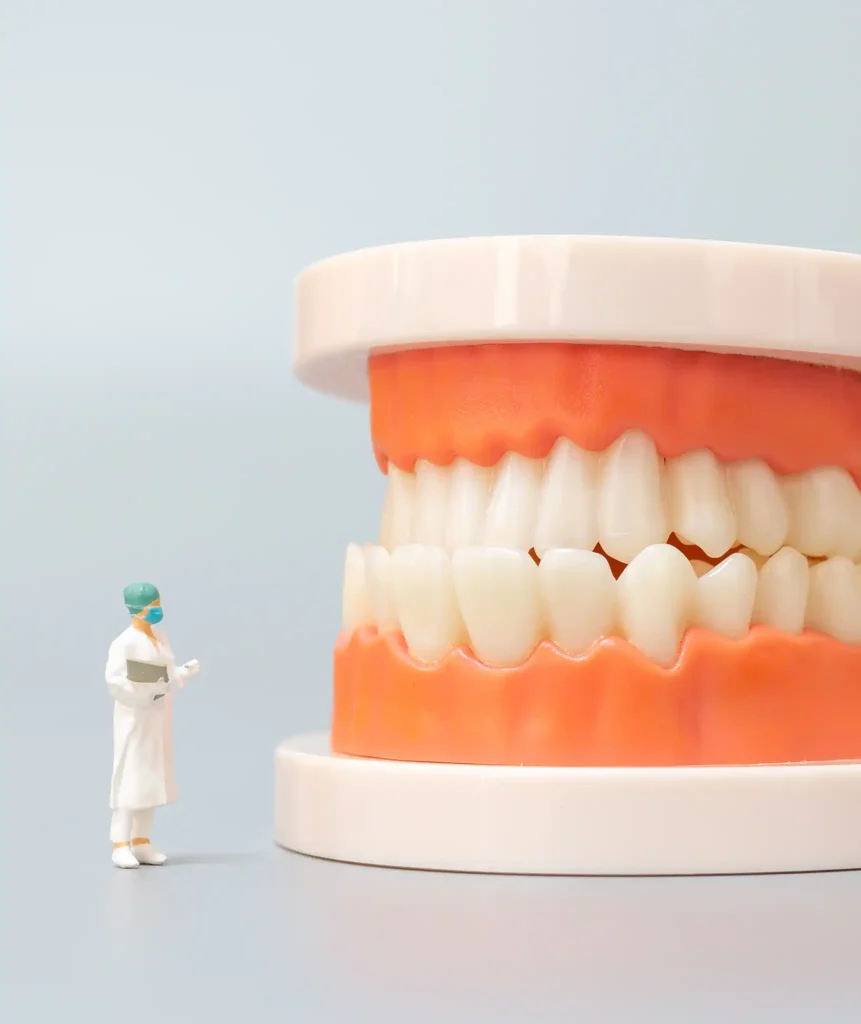
Full mouth rehabilitation combines different dental procedures depending on the individual case. The aim is to restore both function and long-term oral stability.
Treatment may include:
Dental Implants
Used to replace missing teeth and support crowns, bridges, or full-arch restorations.
Dental Crowns or Bridges
Restore teeth that are severely worn, fractured, or weakened.
Gum Disease Treatment
Managing periodontal health is often necessary before restorative work begins.
Bite Correction
Adjusting the way teeth meet to improve comfort and reduce further wear.
Because full mouth reconstruction dentistry addresses multiple concerns simultaneously, treatment is usually staged over several appointments.
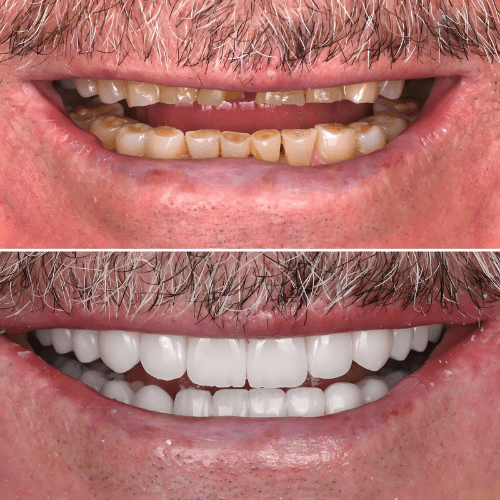
The potential full mouth rehabilitation benefits depend on the patient’s specific dental concerns. When carefully planned, treatment may help improve aspects of:
Patients with extensive tooth loss or severe wear often find that restoring multiple teeth at once improves daily function compared with treating individual teeth separately.
However, outcomes depend on oral hygiene, medical health, and ongoing professional care.
The full mouth rehabilitation cost varies widely depending on the complexity of treatment and the procedures required.
Factors influencing cost may include:
Because every patient’s case is unique, an accurate estimate can only be provided after a full examination and treatment planning appointment. A written treatment plan outlining recommended procedures and fees is typically provided before treatment begins. Please contact our experts to determine your specific costs.
If you are missing most or all teeth or experiencing instability with removable dentures, a consultation can help determine whether implant-supported dentures are a suitable option to improve denture support, comfort, and function.
Protect your smile with regular care at Warner Dental.
Full mouth rehabilitation is a comprehensive dental treatment plan that restores or replaces all teeth in the mouth to improve oral health, chewing ability and appearance.
This approach combines several dental procedures to treat multiple oral health problems at the same time. Full mouth reconstruction dentistry may involve dental implants, crowns, bridges, gum therapy, or bite correction. The goal is to restore both function and structural balance across the entire mouth. Instead of focusing on individual teeth, the treatment plan considers how all teeth, gums, and jaw structures work together to support long-term oral health.
Schedule a comprehensive dental assessment if you have several damaged or missing teeth affecting daily function.
Patients with multiple missing, damaged, or worn teeth, severe bite problems, or long-term dental diseases may see benefits after undergoing a full mouth rehabilitation after a detailed dental examination.
Full mouth rehabilitation is typically considered when oral health problems affect many teeth at once. Cases include extensive tooth wear from grinding, multiple failed restorations, advanced decay, or widespread tooth loss. Patients experiencing difficulty chewing or chronic jaw discomfort may also benefit from a comprehensive treatment. However, eligibility depends on oral health, bone support, and general medical conditions that could influence healing.
Seek professional evaluation if multiple dental issues are affecting chewing or comfort. Without any rush, discuss restorative and preventive options before committing to complex treatment.
Full mouth rehabilitation treatment timelines vary but often take several months because procedures are completed in stages, allowing time for healing and careful adjustment of restorations.
Treatment duration depends on the procedures involved. Some steps, such as gum therapy or extractions, may occur first to stabilise oral health. If dental implants are included, healing periods of three to six months may be required for integration with the jawbone. Additional appointments are needed to design and fit crowns, bridges, or other restorations. Careful planning ensures the bite and overall oral function are properly balanced.
Ask your dentist for a treatment timeline, as procedure and recovery duration is case sensitive.
Full mouth rehabilitation may restore chewing ability, improve bite stability, enhance smile appearance, and address multiple dental problems through a coordinated treatment plan.
When several teeth are damaged or missing, restoring them individually may not fully correct underlying bite or functional issues. Full mouth rehabilitation allows dentists to rebuild the entire dental structure in a balanced way. This may improve comfort when eating, support clearer speech, and restore facial support affected by tooth loss. The overall goal is improved function and long-term oral stability.
Consider this comprehensive treatment if other isolated dental repairs have not solved ongoing oral problems.
The cost of full mouth rehabilitation varies widely depending on the number of procedures required, materials needing to be used, and overall treatment complexity.
Full mouth rehabilitation cost depends on factors such as the number of teeth restored, whether dental implants are required, and the type of crowns or bridges used. Additional procedures like bone grafting or periodontal therapy may also affect the overall fee. Because treatment is highly individualised, dentists usually provide a personalised written treatment plan outlining recommended procedures, timelines, and associated costs before treatment begins.
Request a detailed treatment plan with costs before starting treatment. You can ask about staged treatment options or payment arrangements if extensive rehabilitation is recommended.
Single dental implants replace individual missing teeth without affecting neighbouring teeth. A custom crown is attached to the implant to restore appearance and chewing function.
All-on-4 or All-on-X implant treatment replaces a full arch of missing teeth using a small number of strategically placed implants that support a fixed bridge.
Implant-supported dentures connect to dental implants for improved stability compared with conventional removable dentures, helping reduce movement while speaking or eating.
For patients with extensive tooth loss or complex dental issues, full mouth rehabilitation may combine implants with restorative and cosmetic treatments to restore both function and appearance.
Guided implant surgery uses three-dimensional digital planning and a fabricated surgical guide to position implants accurately according to the patient’s anatomy and prosthetic requirements.