
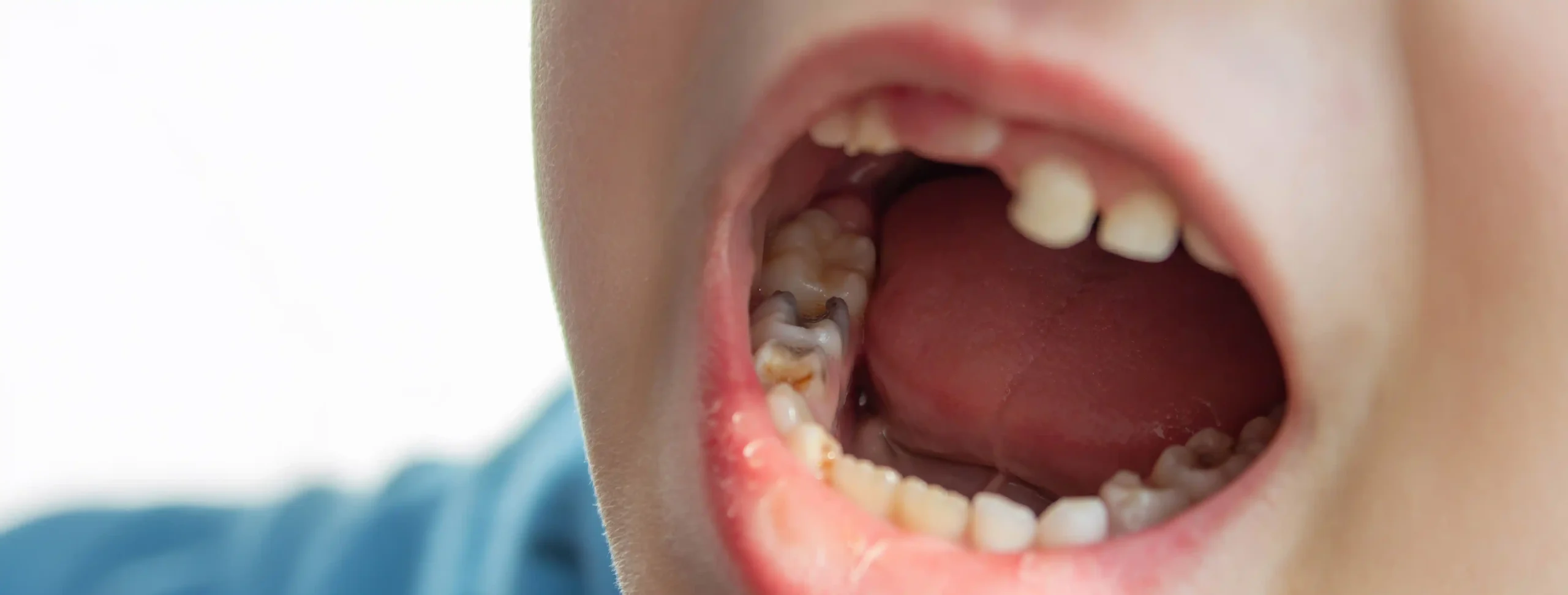
Childhood Decay Prevention focuses on stopping dental problems before they begin. Tooth decay remains one of the most common chronic conditions in children, yet it is largely preventable with early intervention, education, and consistent care.
To answer clearly, Childhood Decay Prevention combines good home habits with professional preventive dentistry to protect baby teeth and help safeguard their permanent teeth against cavities.
Establishing healthy routines early reduces the risk of pain, infection, and premature tooth loss.
Some parents assume baby teeth are temporary and less important. In reality, they play a critical role in speech development, nutrition, and guiding adult teeth into correct position.
Early decay can lead to:
Preventive dentistry aims to identify risk factors early and intervene before cavities form.
During infancy, parents may notice infant teething gums becoming tender or red. Mild infant swollen gums are common as teeth begin to erupt.
While teething itself does not cause decay, it is an important time to begin oral hygiene habits.
Here is the breakdown:
Fluoride toothpaste for kids helps strengthen enamel and make teeth more resistant to acid attacks from bacteria.
If swelling appears excessive or is accompanied by fever, professional advice is recommended.
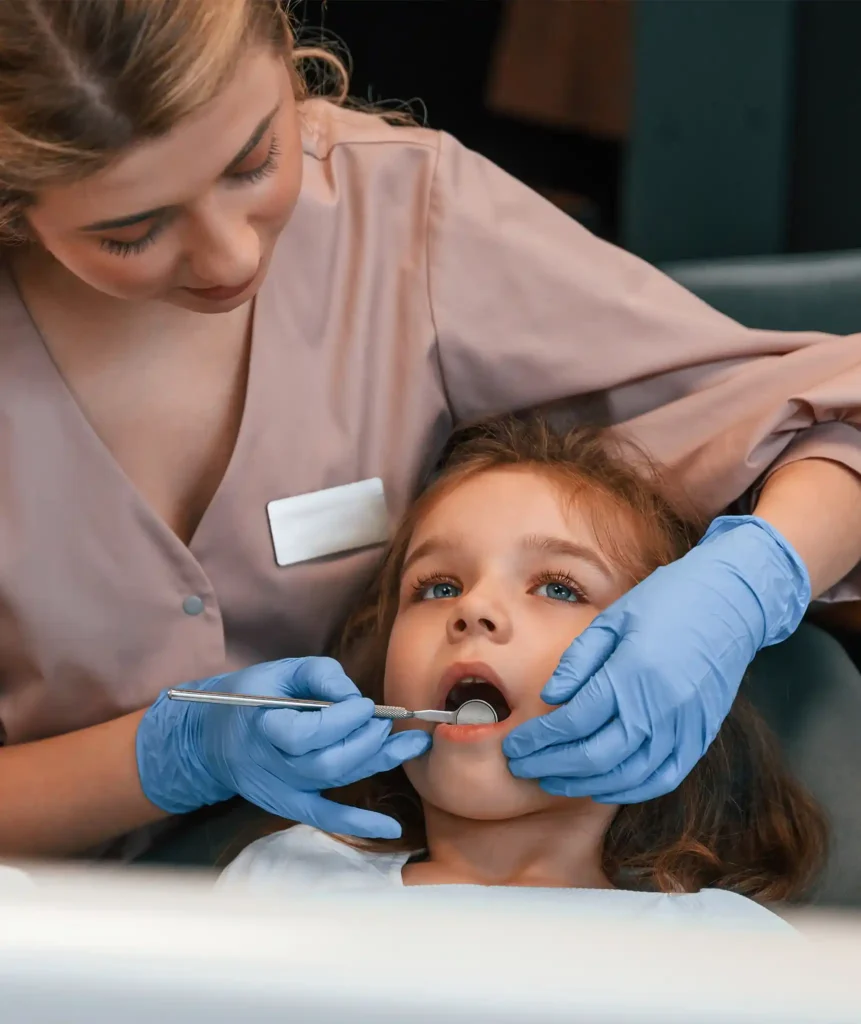
Effective habits include:
Maintaining consistency with any of the abovementioned habits should play a big part in decay prevention. In addition, preventive dentistry appointments allow early detection of weak enamel areas and provide reinforcement of proper brushing techniques.
Beyond daily brushing, professional support plays an important role in Childhood Decay Prevention.
Common preventive treatments include:
Fluoride Applications
Strengthen enamel and reduce cavity risk.
Fissure Sealants for Toddlers
Thin protective coatings placed on the chewing surfaces of molars to block bacteria and food particles.
Fissure sealants for toddlers are particularly effective once back teeth erupt, as these surfaces are difficult for children to clean thoroughly.
Early intervention significantly lowers the risk of developing cavities in both primary and permanent teeth.
Childhood Decay Prevention is a partnership between parents and dental professionals. Starting early, maintaining consistent routines, and attending regular preventive dentistry visits help children build strong foundations for lifelong oral health.
Here’s the bottom line: prevention is simpler, less invasive, and more comfortable than treating established decay.
Early preventive care helps protect your child’s teeth from cavities and supports healthy oral development. If you would like guidance on childhood decay prevention, fluoride use, or fissure sealants, contact Warner Dental in Warner, Brisbane to book a consultation with our dental team.
Protect your smile with regular care at Warner Dental.
Fluoride toothpaste for kids should be used from the time the first tooth erupts, applied in very small smears for infants and a pea-sized amount for older children.
Fluoride strengthens enamel and makes teeth more resistant to acid produced by bacteria. Using the correct amount is essential to balance safety and effectiveness. Parents should supervise brushing to ensure children do not swallow excess toothpaste. Early use supports Childhood Decay Prevention by protecting newly erupted teeth, which are more vulnerable to cavities during their initial development phase.
Use a rice-sized smear for children under three, and pea-sized amounts from age three onward, with supervision.
Yes, infant swollen gums are common during teething and usually indicate that teeth are beginning to erupt, although severe swelling or fever should be professionally assessed.
Infant teething gums may appear red, tender, or slightly swollen as teeth push through the surface. While discomfort is normal, teething alone does not cause cavities. Establishing oral hygiene during this stage supports preventive dentistry and reduces bacterial buildup once teeth appear. Persistent swelling, high fever, or unusual symptoms require dental or medical review.
Gently massage gums with a clean finger. You may also let the infant chew on a slightly chilled (not frozen) teething ring if available.
Fissure sealants for toddlers are not always mandatory but are highly recommended when back teeth erupt, as they significantly reduce cavity risk in hard-to-clean chewing surfaces.
Molars have deep grooves that easily trap food and bacteria. Even with good brushing, these areas can remain vulnerable. Sealants create a protective barrier that blocks bacteria from settling into these grooves. As part of preventive dentistry, sealants are safe, quick to apply, and particularly beneficial for children at higher risk of decay.
Discuss sealants once first molars erupt. You can consider early placement if your child has a history of cavities.
Most children benefit from preventive dentistry visits every six months, although frequency may vary depending on individual cavity risk and overall oral health assessment.
Regular dental visits allow early detection of weak enamel, plaque buildup, or early decay. They also reinforce proper brushing techniques and monitor jaw development. Children at higher risk of cavities may require more frequent monitoring to support effective Childhood Decay Prevention and reduce the need for restorative treatment.
In general, schedule routine six-month check-ups will be enough.
Yes. Cavities in baby teeth often still require treatment, even if the tooth will fall out soon, because untreated decay can cause pain, infection, and may affect surrounding teeth.
Although baby teeth are temporary, they play an important role in chewing, speech development, and guiding permanent teeth into their correct position. If decay is left untreated, it can progress quickly and lead to infection, pain, or early tooth loss. Losing a baby tooth too early may allow neighbouring teeth to shift, potentially creating space problems for the permanent tooth. Treating cavities early helps maintain oral health and normal dental development.
If you notice dark spots, sensitivity, or complaints of tooth pain, schedule a dental check-up so a dentist can assess whether preventive care or treatment is needed.
Routine examinations and professional cleaning for children to monitor oral development and maintain healthy teeth and gums.
Preventive treatments such as fluoride applications and oral hygiene education to help reduce the risk of tooth decay.
Custom appliances used to hold space for permanent teeth when baby teeth are lost prematurely.
Durable crowns used to restore and protect severely decayed or damaged baby teeth.
Eligible children may access dental care through the Child Dental Benefits Schedule (CDBS), which may cover certain dental services depending on eligibility.