For routine visits, emergencies, and general enquiries
Get Direction
Dental Photography & Digital Imaging
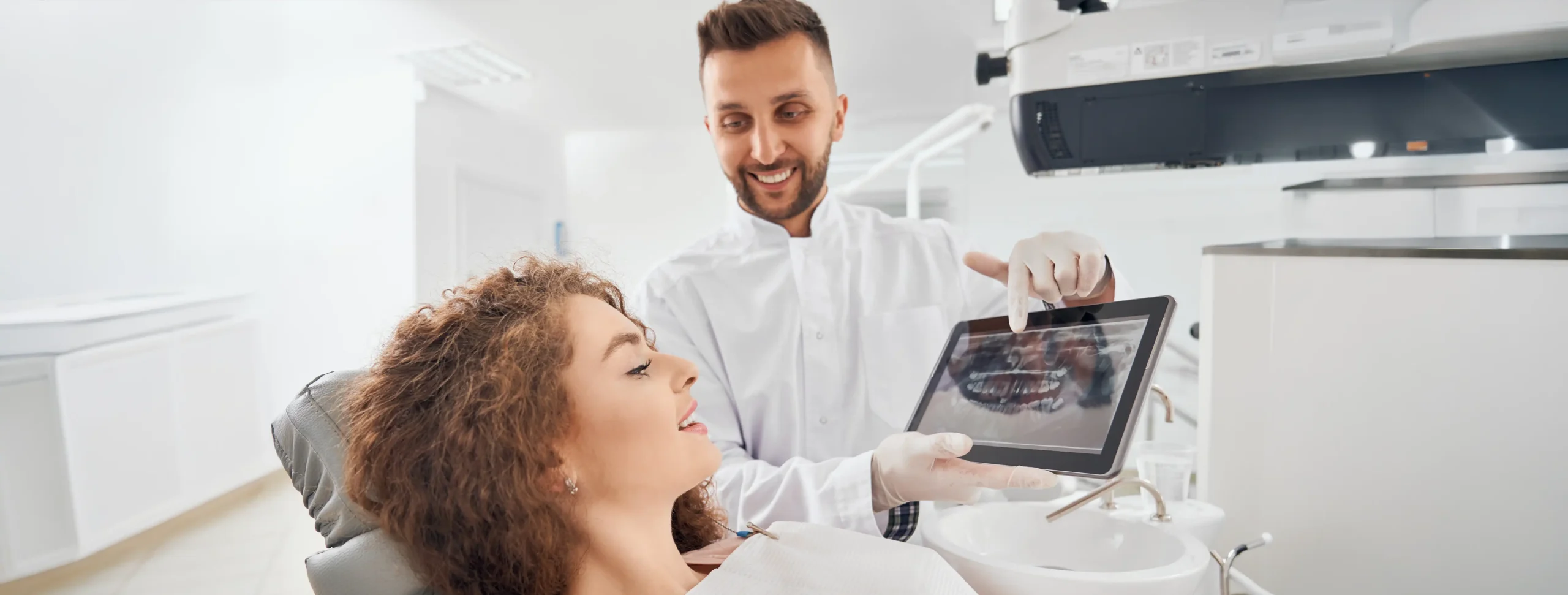
Good dental care starts with a complete picture. At Warner Dental, dental photography is used during check-ups and treatment planning appointments to give both the patient and the treating dentist a detailed, accurate view of what is happening in the mouth. These images support better conversations about your oral health, make it easier to track changes over time, and help the team explain what they have found in terms you can actually see. For patients across Warner and North Brisbane, this is part of what a thorough dental check-up looks like.
Dental photography refers to the use of small cameras and imaging devices to capture detailed photos of the teeth, gums, and surrounding oral structures. There are two main types used at Warner Dental. Intraoral cameras are small handheld devices that fit comfortably inside the mouth to photograph individual teeth, the gum line, and tight spaces between teeth. Extraoral cameras and imaging tools capture photos of the face, jaw, and overall bite from outside the mouth.
These images are digital, which means they are stored securely as part of your patient records and can be reviewed side by side across multiple visits. This makes it straightforward to monitor whether a small area of concern has changed, stayed the same, or improved over time.
Dental photography is not a separate treatment. It is a documentation and communication tool used alongside clinical examination to support accurate assessment and clear patient communication.
Dental photography may be used during your appointment if any of the following apply:
This type of imaging is typically a straightforward addition to your appointment and does not require any separate preparation.
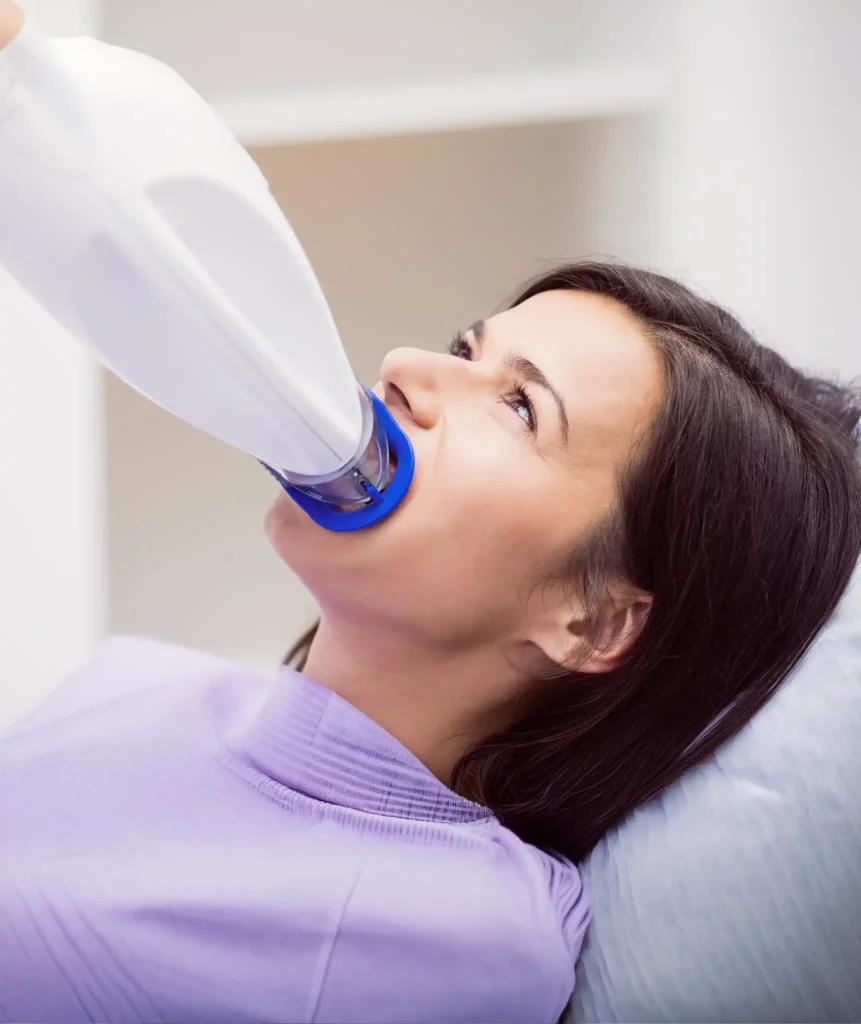
For many appointments, the process begins with a small number of photos taken from outside the mouth. These may include images of the full face, the profile, and the lips at rest or smiling. These extraoral images help the team assess jaw alignment, facial proportions, and the relationship between the teeth and the face as a whole. They are particularly relevant when treatment planning is involved.
The intraoral camera is a slim, pen-sized device with a small light at the tip. The dentist or dental assistant will guide it gently around the inside of the mouth, capturing images of each tooth surface, the gum margins, and any areas of concern. The camera is smooth and typically well tolerated, including by patients who find traditional instruments uncomfortable. Images appear on a screen in the treatment room so you can see them as they are taken.
One of the more useful aspects of dental photography is being able to review what has been found with the dentist during the same appointment. Rather than relying on verbal descriptions alone, the team can point to specific areas on screen and explain clearly what they are seeing. This is particularly helpful when discussing options such as a routine dental check-up appointment or when treatment decisions need to be made together.
All images captured at Warner Dental are stored digitally as part of your confidential clinical record. This means future visits can include a direct comparison against earlier photos, giving the team an objective reference point to assess changes in your oral health over time.
Dental photography plays a practical role in treatment planning for a range of services. When a patient is being assessed for cosmetic or restorative work, having high-quality photos allows the dentist to study the teeth in detail away from the chair, consult with a dental laboratory, and discuss options with the patient at a follow-up appointment.
For services such as the digital smile design process, photography forms the foundation of planning. The images give the team accurate information about tooth shape, colour, gum levels, and facial proportions before any decisions are made.
Photography is also useful for monitoring conditions that change slowly over time. Tooth wear, gum recession, and early-stage plaque accumulation can all look slightly different from one year to the next. Having a photographic record makes those changes visible in a way that memory alone cannot replicate. The Australian Dental Association recognises the role of thorough clinical documentation in supporting consistent patient care.
Warner Dental has been serving the Warner community and surrounding North Brisbane suburbs since 2002. Over that time, the practice has developed an approach to patient care that focuses on thorough documentation, clear communication, and long-term monitoring of oral health. Dental photography fits naturally into that approach.
What makes dental photography at Warner Dental more than a routine step is how the images are used. Photos taken at each visit build a longitudinal record that allows the team to spot gradual changes in tooth wear, gum levels, or soft tissue that would be easy to miss appointment to appointment. For patients with treatment for gum health concerns or more complex restorative needs, having an objective photographic reference at every stage makes clinical decisions more informed and easier to explain.
Warner Dental welcomes patients from Warner, Bray Park, Lawnton, Cashmere, Joyner, Warner Lakes, Strathpine, and across the wider North Brisbane area. Whether you are visiting for the first time or have been attending for years, the same standard of documentation and care applies. Healthdirect Australia encourages patients to maintain regular dental visits as part of overall health care, and Warner Dental supports that with records that build over time.
Warner Dental is located in Warner, North Brisbane, and welcomes both new and existing patients. Whether you are coming in for a routine visit or would like to discuss a specific concern, the team is here to help. Patients from Bray Park, Lawnton, and across the surrounding area are always welcome. Review new patient information before your first visit to know what to expect.
Protect your smile with regular care at Warner Dental.
Most patients find the intraoral camera easy to tolerate. It is smaller than many traditional dental instruments and does not produce any pressure or noise. The tip is smooth and the device is guided slowly around the mouth, so the experience is generally straightforward. If you have a strong gag reflex or dental anxiety, let the team know before your appointment so they can adjust their approach.
Not necessarily. Dental photography is used when it is clinically relevant, such as during new patient assessments, treatment planning appointments, or when the dentist identifies an area that needs closer documentation. For a routine check-up where no new concerns are noted, photography may be minimal or not required at that visit.
Yes. All images captured at Warner Dental are stored as part of your confidential patient record and are subject to the same privacy obligations as all other health information. They are not shared without your consent. If you have specific questions about how your records are managed, the reception team can help.
Yes. Images captured with the intraoral camera appear on a screen in the treatment room in real time, so you can see what the dentist is looking at as the examination progresses. This is one of the practical advantages of digital imaging as a communication tool.
Extraoral photography captures surface-level images of the teeth, gums, and face using a standard digital camera or imaging device. Dental X-rays use radiation to show structures beneath the surface, such as the roots of teeth and the bone. Both are forms of clinical documentation, but they provide different types of information and are used in different situations. Your dentist will recommend the appropriate imaging based on your needs.
Photography is typically part of the overall examination process at Warner Dental rather than a separate item charged independently. For any questions about fees relevant to your specific appointment, contact the practice directly before your visit.
Yes. The intraoral camera is well suited to use in children because of its small size and gentle nature. Seeing their own teeth on screen can also make the dental visit more engaging for younger patients. For families in Warner and North Brisbane, the team at Warner Dental is experienced in working with children across all age groups.
Thorough examination, professional clean, and fluoride application to maintain healthy teeth and gums.
Protective coatings applied to back teeth to reduce the risk of decay.
Custom-fitted appliances for sports protection and management of teeth grinding (bruxism).
Compassionate, patient-focused care for those who feel nervous about dental treatment.
Clear, detailed assessments to help you make informed decisions about your dental health.
Assessment and treatment of enamel wear caused by grinding, acid erosion, or ageing.
Saving infected or damaged teeth by removing infection and restoring strength.
Natural-looking restorations to repair cavities and protect tooth structure.
Custom-made restorations to strengthen and protect weakened teeth.
Replacing missing teeth to restore function and maintain alignment.
Removable options to replace multiple or all missing teeth and improve chewing ability.