
For routine visits, emergencies, and general enquiries
Get Direction
General Dentistry
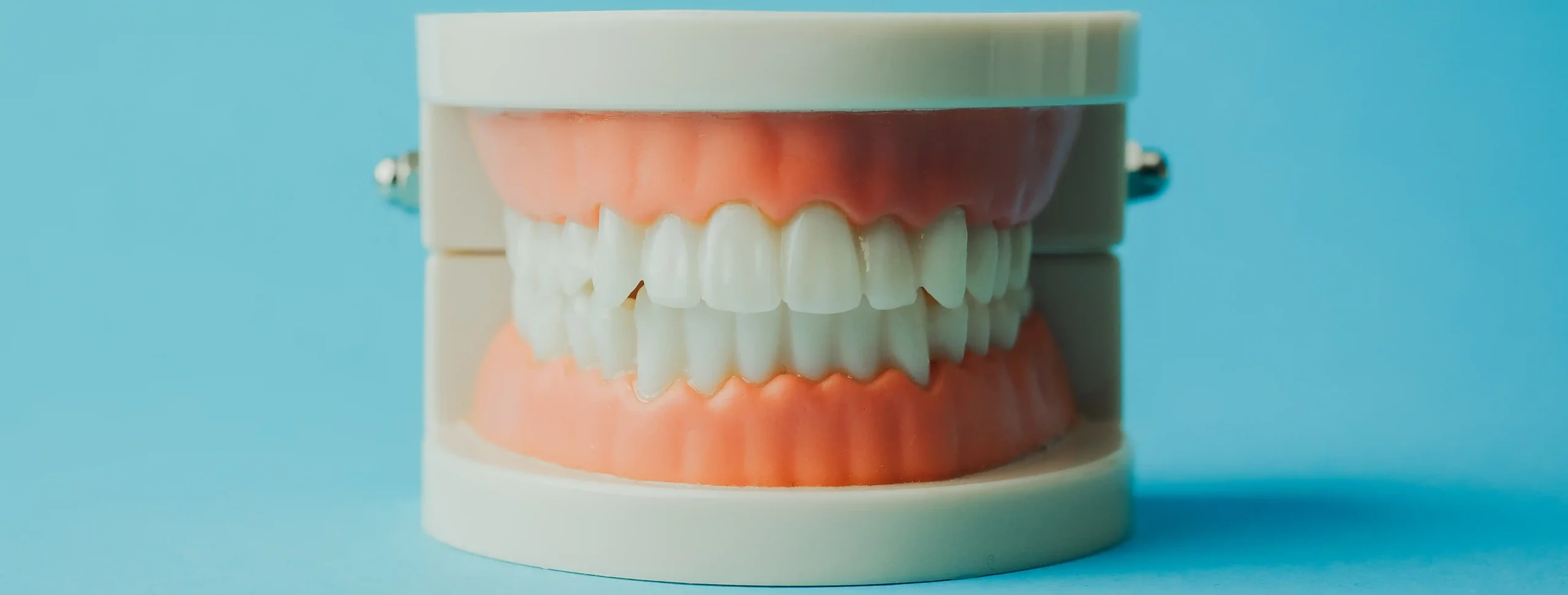
If you are missing several teeth, or a whole arch, dentures are a removable way to bring back your bite, your speech, and the shape of your smile. Full dentures replace all the teeth in a jaw. Partial dentures fill the gaps where some natural teeth remain.
At Warner Dental we design full and partial dentures for patients across Warner and North Brisbane, after a full assessment of your gums, bone, and remaining teeth. Suitability is confirmed at your consultation, and comfort and adaptation vary between individuals. This page is general information, not a diagnosis.
Dentures are custom-made removable appliances that replace missing teeth and the gum area around them. You take them out for cleaning and while you sleep.
They may suit you if you:
Whether dentures are right for you depends on your gum health, bone levels, and overall oral condition.
Different situations call for different dentures. Your dentist will talk you through the options that suit your mouth.
Full dentures replace all the teeth in the upper jaw, the lower jaw, or both. There are two main approaches. Conventional dentures are fitted once the gums have healed after any extractions. Immediate dentures are fitted straight after extractions, so you are not without teeth, though they usually need adjusting or relining later as the gums settle.
Partial dentures fill the gaps where you still have some natural teeth, and clip around them for support. Common types include acrylic partials, slimmer and stronger chrome cobalt (metal) partials, and flexible partials.
In some cases, a denture can be anchored to dental implants for a more secure fit. That is a different treatment with its own page. If you want a denture that moves less, read about implant-supported dentures, All-on-4 and All-on-X, or fixed dental implants.
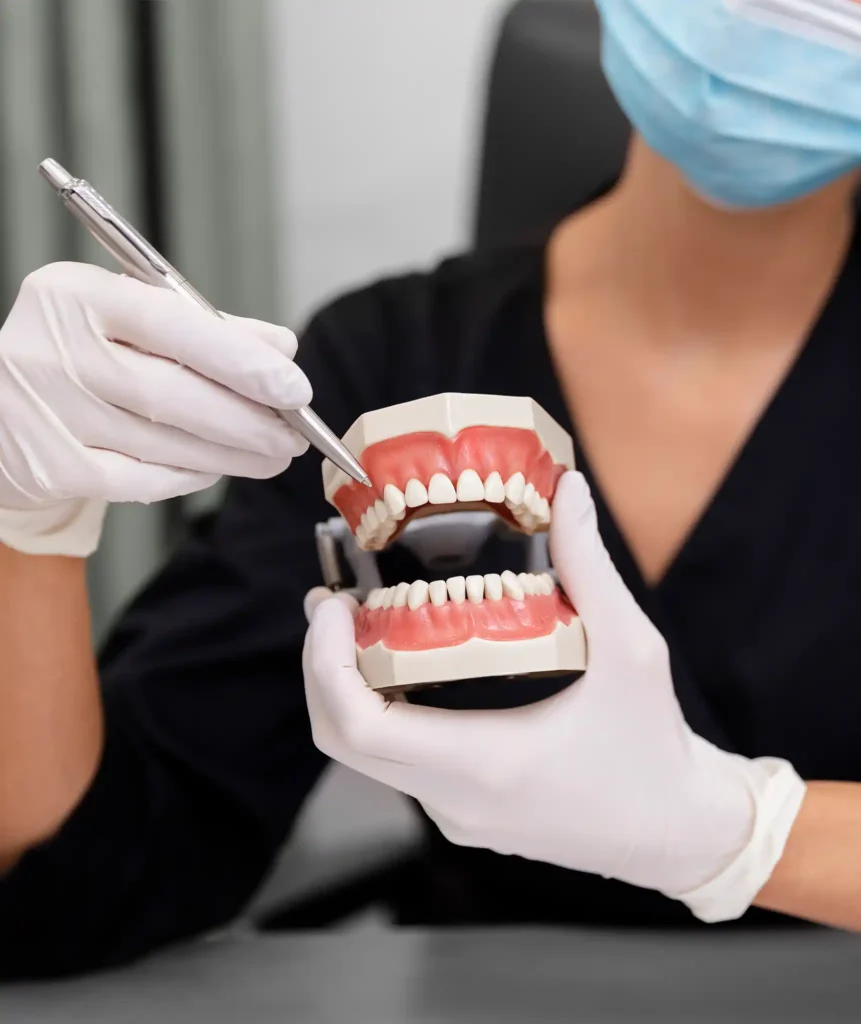
Getting dentures usually takes several appointments, so each stage can be done carefully.
Your dentist examines your mouth, takes digital scans or impressions, and talks through your options and what to expect.
Precise moulds are taken and your jaw alignment is recorded, so the denture fits and bites correctly.
A wax try-in lets you preview the shape, size, and look of the teeth. Adjustments are made before the final denture is built.
Your finished denture is fitted and adjusted for comfort, and you are shown how to wear and care for it.
A few reviews check the fit and comfort as you settle in, with small adjustments made where needed.
New dentures take a little getting used to, and that is completely normal. For the first days or weeks, they may feel bulky, and you might notice more saliva or the odd sore spot. This usually settles as your mouth adapts.
A few things help:
Over time, most people eat and speak with far more confidence. For more day-to-day tips, see our guide on caring for your dentures.
Good daily care keeps your dentures fresh and your mouth healthy:
Your gums and bone slowly change shape over the years, so an occasional check keeps the fit right.
If your denture has cracked, snapped, or become loose, that is a repair or reline rather than a new denture, and it is handled through our denture repairs service. You can also read what to do with broken or loose dentures before your visit. Trying to glue a denture at home can do more harm than good.
There is no single price for dentures. The cost depends on whether they are full or partial, the material used, whether extractions or immediate dentures are involved, and the laboratory work required. Your health fund cover also affects what you pay out of pocket.
After your assessment, you receive an itemised written treatment plan. If cost is a concern, ask us about the payment options and any concession or health-fund arrangements we accept.
Dentures have clear advantages, and a few trade-offs worth knowing.
If you are missing teeth, or your current dentures no longer feel comfortable, an assessment can help you find the most suitable option. Book a consultation or call (07) 3882 3200.
This information is general in nature and does not replace personalised dental or medical advice.
Protect your smile with regular care at Warner Dental.
FAQs
It usually takes a few weeks and several appointments, because impressions, a try-in, and the final fitting each happen at separate visits. Immediate dentures are the exception, as they are fitted on the same day as extractions, then adjusted later once your gums heal. Your dentist can give you a timeframe once your treatment is planned.
Modern dentures are designed to look natural, with teeth chosen to suit your face, and the wax try-in lets you preview the look before they are finalised. Everyone’s result is a little different, but you have a say in the shape and shade before anything is set.
In time, most people eat a wide range of foods comfortably. Early on it helps to start with softer foods and chew on both sides. Very hard or sticky foods can be trickier with removable dentures, and this is one reason some people later consider an implant-supported option.
It is generally recommended to take them out overnight. This gives your gums a rest, lowers the risk of irritation and infection, and lets you soak the denture clean. Your dentist may give different advice in the days right after an immediate denture is fitted.
Many dentures last several years with good care, but they do not last forever. Your mouth changes shape over time, so a denture that once fit well can loosen and need a reline or replacement. Regular reviews help keep the fit comfortable and safe.
Not necessarily. A loose denture can often be improved with a reline, which refreshes the fitting surface to match your gums as they change. Sometimes an adjustment is all that is needed. It is worth being seen rather than relying on denture adhesive long term.
Each option suits different situations. Partial dentures are removable and more affordable, while bridges and implants are fixed and tend to feel more like natural teeth. The best choice depends on your remaining teeth, your gums and bone, and your budget, which your dentist will go through with you.
Depending on your circumstances, you may have options through your health fund or a payment arrangement, and some concession holders are eligible for assistance. We can talk you through what applies to you and provide an itemised plan, so there are no surprises before you decide.
Thorough examination, professional clean, and fluoride application to maintain healthy teeth and gums.
Protective coatings applied to back teeth to reduce the risk of decay.
Custom-fitted appliances for sports protection and management of teeth grinding (bruxism).
Compassionate, patient-focused care for those who feel nervous about dental treatment.
Clear, detailed assessments to help you make informed decisions about your dental health.
Assessment and treatment of enamel wear caused by grinding, acid erosion, or ageing.
Saving infected or damaged teeth by removing infection and restoring strength.
Natural-looking restorations to repair cavities and protect tooth structure.
Custom-made restorations to strengthen and protect weakened teeth.
Replacing missing teeth to restore function and maintain alignment.
Removable options to replace multiple or all missing teeth and improve chewing ability.