
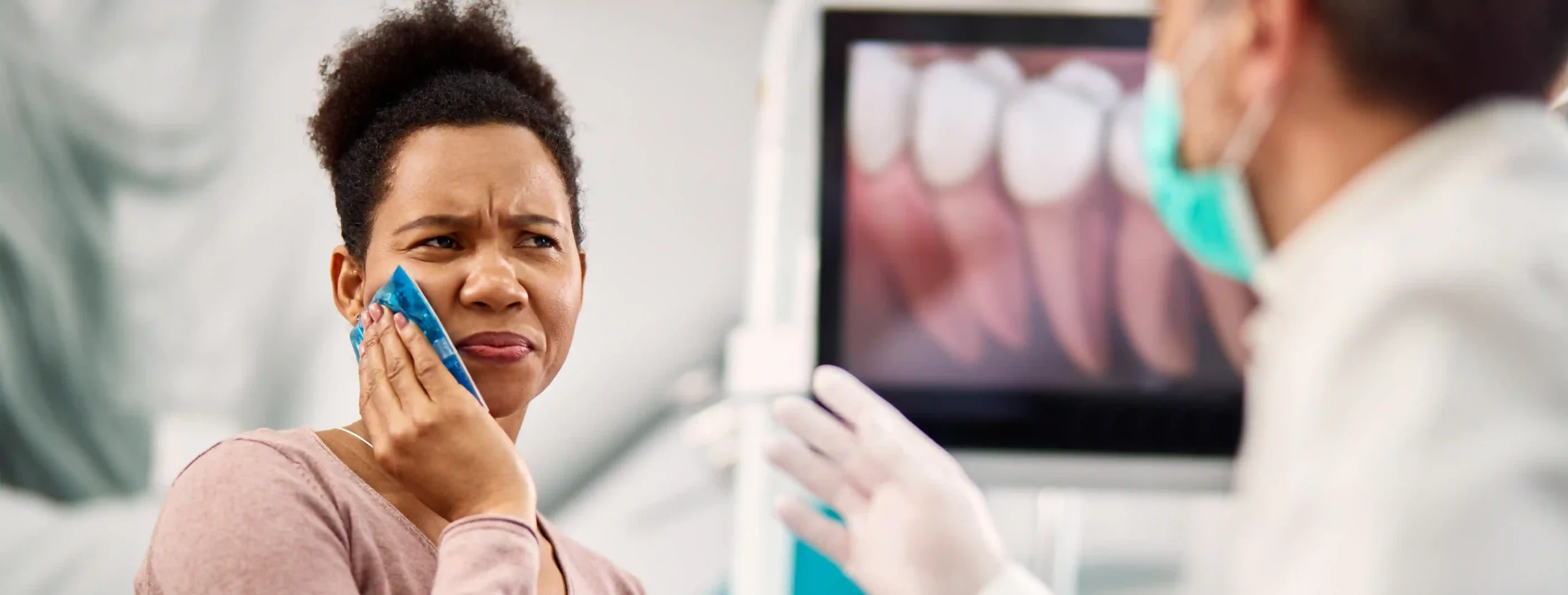
Dental trauma refers to injuries affecting the teeth, gums, lips, or jaw caused by accidents, falls, or sporting impacts. These situations often require immediate attention to relieve pain, stabilise damaged teeth, and prevent long-term complications.
At Warner Dental, we provide prompt dental trauma treatment and same-day emergency appointments (subject to availability) for patients experiencing a tooth injury emergency.
Dental trauma can vary in severity, from minor chips to complete tooth loss.
We commonly treat:
Even if pain is mild, hidden damage may exist beneath the surface.
Our emergency team provides evidence-based care tailored to the type and severity of injury.
Treatment may include:
Prompt emergency dental trauma care increases the chance of preserving natural teeth.
Delaying care after dental trauma can result in:
Early intervention improves outcomes and may reduce the need for more extensive procedures later.
Custom-fitted sports mouthguards significantly reduce the risk of dental injury during contact sports.
Compared to store-bought options, professionally made mouthguards:
We offer sports dental injury treatment as well as preventive mouthguard solutions.
Located at Marketplace Warner, Brisbane, we support patients experiencing dental trauma and urgent dental injuries.
Dental trauma requires urgent professional care. Immediate treatment improves the chance of saving damaged teeth and preventing long-term complications.
📞 Call Warner Dental immediately for a same-day emergency appointment.
Outcomes vary between patients, and all treatments carry risks and possible complications.
Protect your smile with regular care at Warner Dental.
Not always, but quick action significantly improves the chance of saving the tooth. Ideally, knocked out tooth treatment should occur within 30–60 minutes for the highest likelihood of successful re-implantation.
When a tooth is completely dislodged, the cells on the root surface begin to deteriorate quickly. Keeping the tooth moist in milk or saline helps preserve these cells until treatment. Re-implantation success depends on time, storage conditions, and extent of trauma. Even if re-implantation is not possible, alternative restorative options are available.
Seek emergency dental care immediately and keep the tooth moist at all times.
If your child chips a tooth, rinse the mouth gently and keep any fragments. Contact your dentist promptly to determine whether treatment is needed, especially if the damaged tooth is permanent.
Management differs depending on whether the tooth is a baby or permanent tooth. Minor enamel chips may require smoothing, while deeper fractures may need restoration. Even without pain, hidden damage can exist. Early assessment helps prevent infection and supports proper healing.
Arrange a dental appointment as soon as possible after any injury.
Treatment depends on severity. Minor fractures may be repaired with bonding, while deeper damage may require a crown or root canal therapy to restore strength and function.
A broken tooth from an accident can range from small enamel cracks to fractures involving the pulp. Digital imaging helps assess root involvement and determine appropriate dental trauma treatment. The goal is to preserve as much natural structure as possible while preventing infection.
Avoid chewing on the injured tooth until examined by a dentist.
A loose tooth after trauma may need repositioning and splinting to stabilise it. Prompt treatment improves the chance of preserving the tooth and preventing further damage.
Luxation injuries can affect the supporting ligament and surrounding bone. Stabilisation with a dental splint allows tissues to heal. In some cases, root canal therapy may be required later depending on nerve vitality.
Seek urgent dental trauma treatment rather than waiting for the tooth to tighten on its own.
No. Some dental trauma may appear minor and painless but still involve root or nerve damage. Professional evaluation is important even if discomfort is minimal.
Adrenaline following injury may temporarily mask pain. Cracks or root fractures may not cause immediate symptoms but can lead to infection later. Early diagnosis reduces the risk of complications.
Always have dental injuries assessed, even if pain is absent.
Yes. Custom-fitted mouthguards significantly reduce the risk of dental trauma during contact sports by absorbing impact and protecting teeth, lips, and jaw structures.
Compared to over-the-counter guards, professionally made mouthguards provide superior fit and cushioning. They help prevent knocked-out teeth, fractures, and soft tissue injuries. Preventive protection is especially important for children and athletes.
Consider a custom mouthguard if you or your child participates in contact sports.
Prompt assessment and treatment to relieve discomfort and address the underlying cause.
Repairing damaged teeth to restore function and protect against further problems.
Fast adjustments or repairs to restore comfort and usability.
Urgent care for injuries caused by accidents, sports, or unexpected impacts.
Immediate treatment of infection to relieve pain and prevent complications.
Replacing or repairing restorations to protect exposed teeth.
Identifying and managing the cause of sudden or ongoing tooth sensitivity.
Gentle treatment to relieve pain and support proper healing after extraction.
Assessment of persistent sores and thorough screening for early detection of oral abnormalities.