
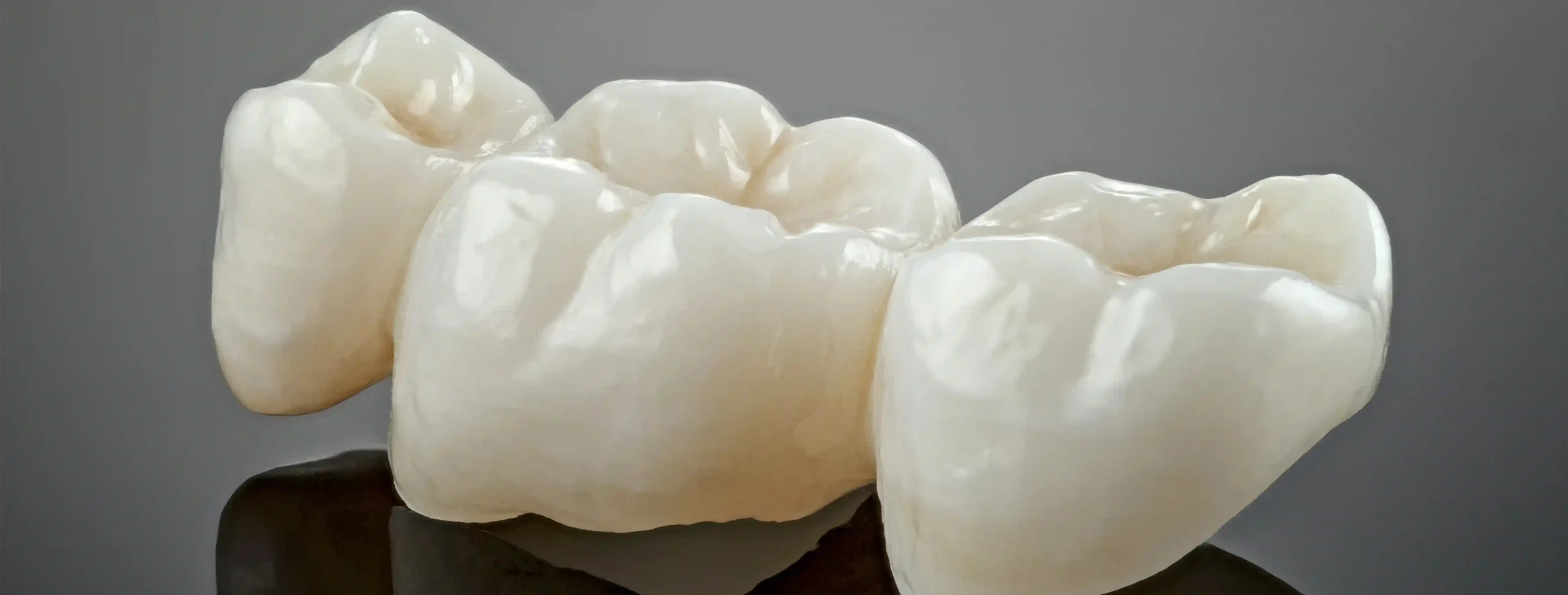
Dental crowns are custom-made restorations designed to cover and protect a damaged or weakened tooth. When clinically indicated, crowns help restore strength, function, and aesthetics while preserving natural tooth structure.
At Warner Dental, crowns are provided by registered dentists using modern digital scanning technology and high-quality ceramic materials to support precise fit and long-term durability.
If you are wondering what is a dental crown, it is a protective cap that covers the entire visible portion of a tooth above the gum line.
Crowns are commonly recommended to:
Suitability depends on tooth structure, bite forces, and overall oral health.
We use advanced tooth-coloured materials, including:
Designed for natural aesthetics, particularly in front teeth.
Highly durable and suitable for back teeth exposed to strong chewing forces.
Aesthetic ceramic option known for strength and translucency.
Material selection is based on clinical requirements and cosmetic considerations.
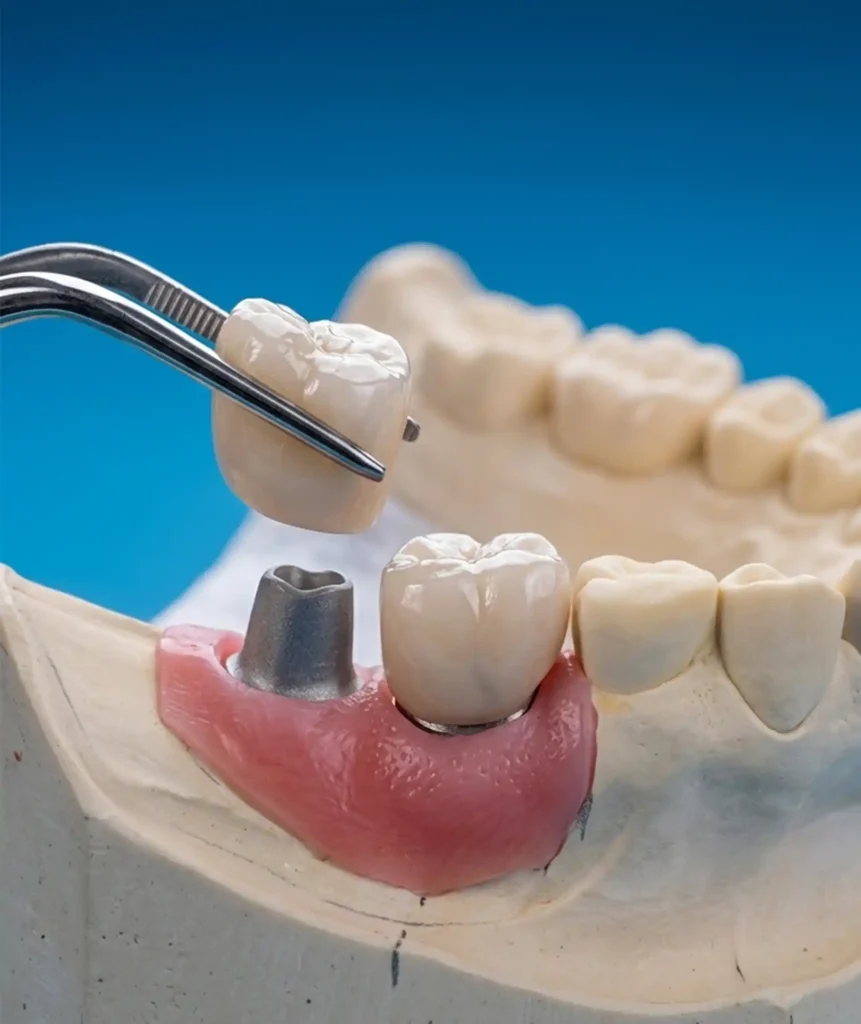
If a crown is recommended, the dental crown procedure typically involves:
Treatment timelines vary depending on complexity.
When clinically appropriate, dental crowns may:
Longevity depends on oral hygiene, bite forces, and regular dental care.
As with any restorative procedure, dental crowns carry potential risks, including:
All risks and alternatives are discussed before proceeding with treatment.
To maintain your crown:
Proper maintenance supports long-term performance.
We prioritise conservative dentistry and long-term oral health.
If you have a damaged, weakened, or heavily restored tooth, early assessment helps determine whether a crown is the most appropriate restorative option.
Protect your smile with regular care at Warner Dental.
Dental crowns can last 10–15 years or longer with proper care, depending on the material used, bite forces, oral hygiene habits, and whether you grind or clench your teeth.
The longevity of dental crowns varies between patients. Back teeth typically experience stronger chewing forces, which may influence durability. Crowns made from zirconia or high-strength ceramics are designed for long-term function, but wear, gum health, and oral hygiene all play important roles. Regular dental examinations allow early detection of margin wear, cement breakdown, or underlying decay, helping extend the lifespan of the restoration.
Attend routine check-ups to monitor the condition of your crown.
Modern ceramic dental crowns are designed to closely match the colour, shape, and translucency of natural teeth, allowing them to blend seamlessly into your smile.
Materials such as porcelain, zirconia, and E.max are selected based on both strength and aesthetics. Shade matching is carefully performed to ensure harmony with surrounding teeth. The final appearance also depends on gum contour, lighting, and individual anatomy. While crowns are highly aesthetic, results vary between patients depending on the starting condition of the tooth and adjacent restorations.
Discuss shade and cosmetic expectations before final cementation.
Dental crown preparation is performed under local anaesthesia, and most patients experience minimal discomfort during the procedure.
After treatment, mild sensitivity to temperature or pressure may occur as the tooth adjusts, particularly if significant structure was restored. This typically settles within a few days. Persistent or worsening pain should be reviewed promptly to rule out bite issues or pulp inflammation. Your dentist will explain expected recovery and provide post-treatment guidance.
Avoid chewing hard foods until the permanent crown is fitted.
A dental crown covers the entire tooth surface to restore strength and function, while a veneer covers only the front surface and is typically used for cosmetic enhancement.
Crowns are recommended when a tooth is structurally weakened, heavily filled, cracked, or root canal–treated. Veneers are more conservative and suitable when the underlying tooth remains strong. Treatment choice depends on structural integrity, bite forces, and long-term prognosis. Your dentist will assess whether functional reinforcement or cosmetic improvement is the primary goal.
Choose the option that best supports both function and longevity.
Many Australian private health funds provide partial cover for dental crowns under major dental benefits, depending on your policy and waiting periods.
Coverage varies significantly between insurers and levels of extras cover. Annual limits and waiting periods may apply. It is recommended to confirm rebate amounts directly with your health fund before proceeding with treatment. A written treatment plan can assist you in determining out-of-pocket costs.
Request a detailed quote before scheduling treatment.
Thorough examination, professional clean, and fluoride application to maintain healthy teeth and gums.
Protective coatings applied to back teeth to reduce the risk of decay.
Custom-fitted appliances for sports protection and management of teeth grinding (bruxism).
Compassionate, patient-focused care for those who feel nervous about dental treatment.
Clear, detailed assessments to help you make informed decisions about your dental health.
Assessment and treatment of enamel wear caused by grinding, acid erosion, or ageing.
Saving infected or damaged teeth by removing infection and restoring strength.
Natural-looking restorations to repair cavities and protect tooth structure.
Custom-made restorations to strengthen and protect weakened teeth.
Replacing missing teeth to restore function and maintain alignment.
Removable options to replace multiple or all missing teeth and improve chewing ability.