

Deep dental cleaning is a clinically established treatment used to manage gum disease and reduce bacterial infection beneath the gumline. When indicated, it helps stabilise gum health and protect the supporting bone around teeth.
At Warner Dental, treatment is provided by dentists registered with the Dental Board of Australia, following current clinical guidelines and infection control standards. Our approach focuses on accurate diagnosis, informed consent, and structured periodontal monitoring.
If you are asking what deep dental cleaning involves, it is a non-surgical periodontal procedure designed to remove bacterial deposits from below the gumline.
It is also known as deep cleaning root planing and scaling.
The process involves:
Unlike a routine scale and clean, this treatment targets infection in deeper gum pockets.
Deep dental cleaning may be recommended when periodontal screening and recording identifies signs of active gum disease.
Clinical indicators may include:
Diagnosis is confirmed through clinical examination, pocket depth measurements, and digital radiographs where required.
Early intervention improves the likelihood of stabilising gum health and preventing progression.
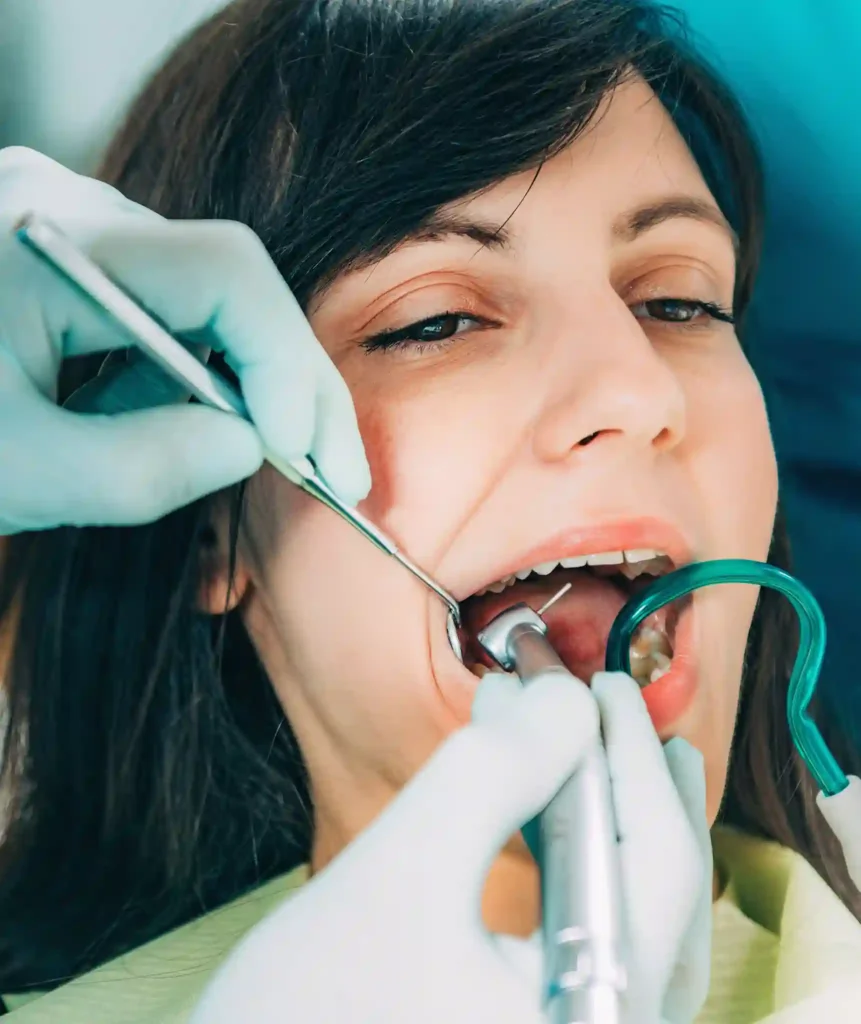
Specialised ultrasonic and hand instruments are used for hardened plaque removal above and below the gumline.
Root surfaces are smoothed to reduce bacterial retention and promote gum reattachment.
Local anaesthetic may be provided where necessary to improve comfort.
Follow-up assessment to monitor healing and adjust ongoing care.
Treatment may be completed over one or multiple visits depending on severity.
Untreated periodontal infection may lead to:
Deep dental cleaning does not permanently cure gum disease, but it significantly reduces infection levels and helps stabilise the condition when combined with good home care and regular maintenance.
If you are researching dental deep cleaning cost, fees typically vary depending on:
A personalised consultation allows for accurate diagnosis and transparent fee discussion prior to treatment. Early-stage gum disease is generally more straightforward and less costly to manage than advanced periodontitis.
As with any dental procedure, deep dental cleaning carries potential risks, including:
Your dentist will explain risks, benefits, and alternatives before obtaining informed consent.
Before treatment, we:
Patient safety and evidence-based care remain priorities at every stage.
To support healing:
Long-term success depends heavily on maintenance and regular monitoring.
If you are experiencing bleeding gums, gum recession, or persistent inflammation, early assessment can help stabilise gum health and determine the most appropriate periodontal treatment options.
Protect your smile with regular care at Warner Dental.
Deep dental cleaning removes bacteria and hardened plaque from beneath the gumline, while a regular clean focuses on plaque and tartar above the gums.
When gum disease develops, bacteria accumulate in periodontal pockets that routine cleaning cannot fully access. Deep cleaning root planing and scaling targets these deeper areas to reduce infection and inflammation. It involves detailed removal of calculus deposits and smoothing of root surfaces to promote healing. Regular cleans are preventive, whereas deep cleaning is therapeutic and aimed at stabilising gum disease.
Seek assessment if your gums bleed consistently or feel swollen.
Most patients tolerate deep dental cleaning well, particularly when local anaesthetic is used where needed.
Some tenderness or sensitivity may occur following treatment, especially if inflammation was significant beforehand. Because hardened plaque removal occurs below the gumline, mild soreness may last several days. Symptoms typically improve as inflammation reduces and healing begins. Your dentist will discuss comfort options and post-treatment care instructions to minimise discomfort.
Follow aftercare instructions carefully to support healing.
Deep dental cleaning cannot reverse existing gum recession, but it can help prevent further progression.
Gum disease receding often results from prolonged inflammation and bone loss. By removing bacterial deposits and reducing inflammation, deep cleaning helps stabilise gum attachment levels. Early intervention offers the best chance of preventing additional tissue damage. In advanced cases, further periodontal or surgical management may be required. Ongoing maintenance is essential to preserve long-term results.
Address bleeding or inflamed gums early to reduce progression risk.
Dental deep cleaning cost varies depending on disease severity, number of areas treated, and number of appointments required.
Deep cleaning is more clinically involved than routine cleaning, which influences cost. A comprehensive periodontal screening and recording allows accurate diagnosis and personalised treatment planning. Early-stage treatment is generally less extensive and less costly than managing advanced periodontal damage. Transparent fee discussions occur before proceeding.
Book an assessment early to prevent more complex treatment later.
Assessment and management of inflamed or bleeding gums to prevent progression to advanced gum disease.
Removal of plaque and tartar from below the gumline to treat periodontitis and reduce infection.
Careful removal of teeth that are severely decayed, infected, or structurally compromised.
Assessment and removal of impacted or problematic wisdom teeth to prevent pain, infection, or crowding.