
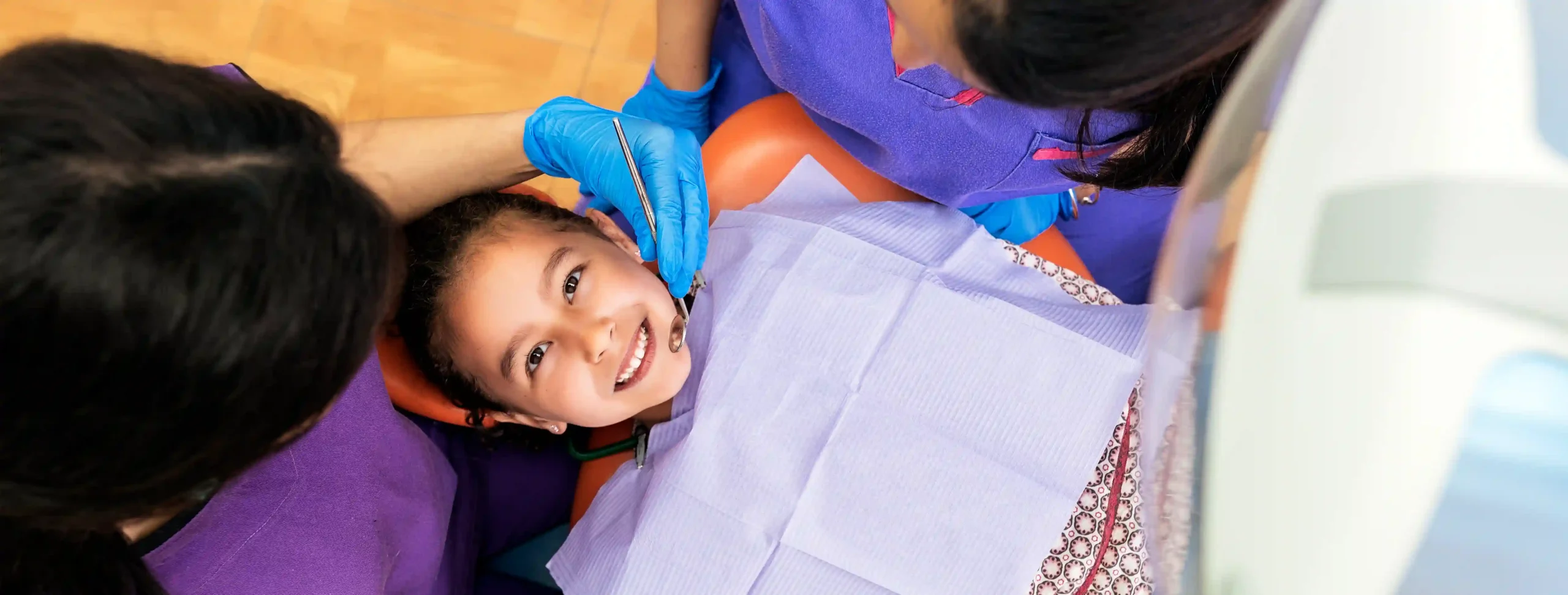
Children dentistry focuses on providing specialised dental care for infants, children, and teenagers in a supportive, age-appropriate environment. Early positive experiences help shape lifelong attitudes toward oral health.
To answer clearly, Children dentistry is designed to protect children’s developing teeth while creating a comfortable and fear-free experience. A pediatric dentist is trained to manage young patients with patience, clear communication, and techniques that reduce anxiety.
Introducing your child to dental care early builds trust and confidence, helping prevent long-term dental fear.
Parents often ask when to schedule their child’s first appointment.
Generally speaking, a child should visit the dentist:
Early visits allow monitoring of development and provide parents with practical guidance on brushing, diet, and habits such as thumb-sucking. These early check-ups also help address common concerns, including:
Early education and prevention are far easier than treating advanced dental problems later.
A key focus of children dentistry is building trust. Many adults with dental anxiety developed fear from negative childhood experiences. A gentle, supportive environment reduces this risk.
Child-friendly dental care typically includes:
A pediatric dentist understands how to guide children step-by-step through appointments so they feel safe and in control. This approach supports long-term cooperation and healthy habits.
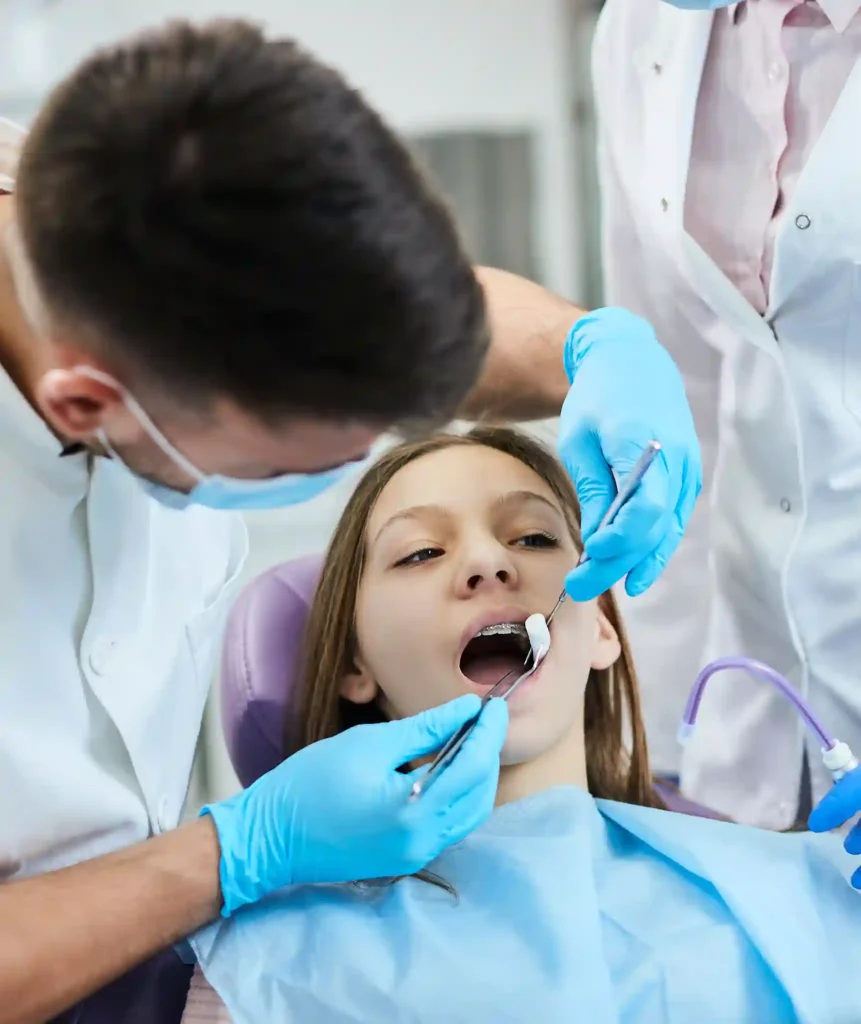
Preventative care is the foundation of children dentistry. Regular visits allow early detection of problems and reduce the risk of decay.
Common preventative services include:
Parents are also guided on home care, including correct brushing methods and the use of kids’ dental floss to clean between the teeth once they begin to develop. Preventing rotten teeth in children often involves managing sugar intake, encouraging water consumption, and maintaining consistent oral hygiene routines.
Many families may be eligible for financial support under the Child Dental Benefits Schedule (CDBS). This Australian Government program provides up to $1,052 in basic dental services over two consecutive calendar years for eligible children.
Covered services may include:
Eligibility depends on age and receipt of certain government benefits. Families are encouraged to check their status and discuss options with their dental provider.
Pediatric dentistry is about more than treating teeth—it is about creating positive early experiences, promoting prevention, and supporting parents with practical education.
By scheduling early visits, encouraging daily brushing and kids dental floss use, and taking advantage of programs like the CDBS, families can help protect their child’s smile for years to come.
Outcomes vary between patients, and all treatments carry risks and possible complications.
If you have one or more missing teeth, early assessment can help determine whether a dental bridge is the most appropriate fixed replacement option for your oral health needs.
Protect your smile with regular care at Warner Dental.
Children should visit a kid’s dentist by their first birthday or within six months of their first tooth erupting to support healthy development and establish early positive dental experiences.
Early dental visits allow monitoring of tooth eruption, jaw growth, and oral habits. They also help identify issues such as a child’s teeth being yellow due to plaque buildup or early enamel changes. Establishing care early reduces the risk of dental anxiety and ensures preventative strategies begin before decay develops.
Schedule the first visit early, keep explanations simple, and present the appointment positively to reduce anxiety.
A child’s teeth becoming yellow may result from plaque buildup, enamel thickness differences, diet, or natural tooth colour variation. Regardless, any persistent teeth discoloration should be professionally assessed to rule out early decay.
Baby teeth often appear whiter than adult teeth, so newly erupting permanent teeth can look more yellow by comparison. However, poor brushing habits may also lead to staining or plaque accumulation. In some cases, early child rotten teeth may begin with subtle colour changes. Regular check-ups for kids’ dentistry help determine whether the issue is cosmetic or requires treatment.
Encourage twice-daily brushing, supervise cleaning, and schedule a professional evaluation if colour changes persist.
Yes, the Child Dental Benefits Schedule provides eligible children with up to $1,052 in covered dental services, including examinations, cleaning, fillings, fissure sealants, and some extractions.
The CDBS aims to improve access to essential dental care during key developmental years. Preventative treatments such as check-ups and fissure sealants are commonly included, helping reduce the likelihood of child rotten teeth. Eligibility depends on age and receipt of certain government benefits. Participating dental practices can confirm coverage before treatment begins, ensuring transparency for families.
Check eligibility through Medicare and discuss coverage with your dental provider before booking treatment.
Routine examinations and professional cleaning for children to monitor oral development and maintain healthy teeth and gums.
Preventive treatments such as fluoride applications and oral hygiene education to help reduce the risk of tooth decay.
Custom appliances used to hold space for permanent teeth when baby teeth are lost prematurely.
Durable crowns used to restore and protect severely decayed or damaged baby teeth.
Eligible children may access dental care through the Child Dental Benefits Schedule (CDBS), which may cover certain dental services depending on eligibility.