
For routine visits, emergencies, and general enquiries
Get Direction
Soft Tissue Biopsy and Oral Lesion Assessment
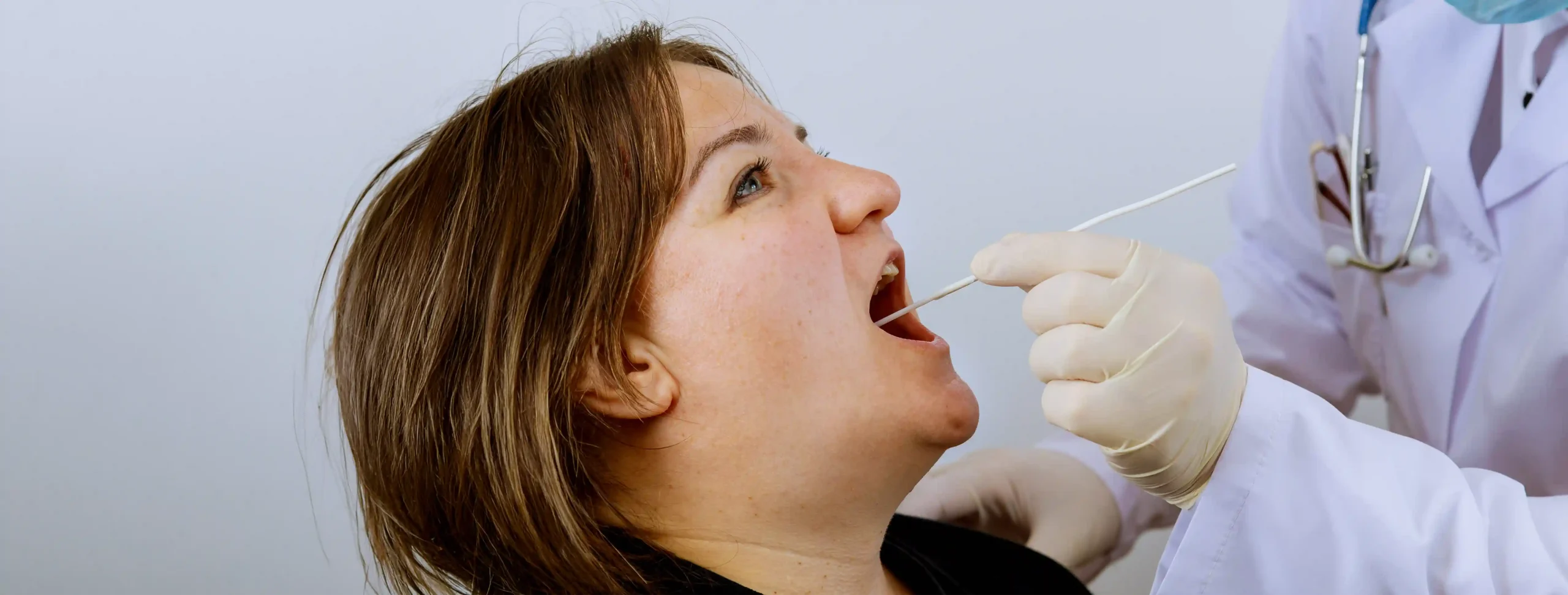
If you have noticed a sore, lump, or unusual patch in your mouth that is not healing, it deserves prompt professional attention. Warner Dental provides soft tissue biopsy services for patients in Warner and across north Brisbane, offering thorough assessment of any lesion that looks or feels out of the ordinary. Most mouth sores are harmless and resolve within a week or two. When a lesion persists beyond two to three weeks, changes in size or appearance, or causes discomfort, the safest step is to have it assessed by an experienced dental team.
A soft tissue biopsy is a minor clinical procedure in which a small sample of tissue is taken from a suspicious area inside the mouth. That sample is sent to a dental pathology laboratory, where it is examined under a microscope to determine the nature of the tissue.
The examination can help identify whether the tissue is healthy, inflamed, precancerous, or in need of further management. Biopsy results give your dentist the clinical information needed to decide on the right course of action, whether that means monitoring, treatment, or referral to a specialist.
There are two common types of biopsy used in a dental setting. An incisional biopsy involves removing a small portion of the lesion for analysis. An excisional biopsy removes the entire lesion and is used when the affected area is small enough to be fully excised during the procedure itself.
Not every mouth sore requires a biopsy, but some signs should prompt a dental review without delay. Book an appointment if you notice any of the following:
These signs do not necessarily point to something serious, but they should be assessed. Identifying the cause early allows for a clearer picture and a more straightforward management plan.
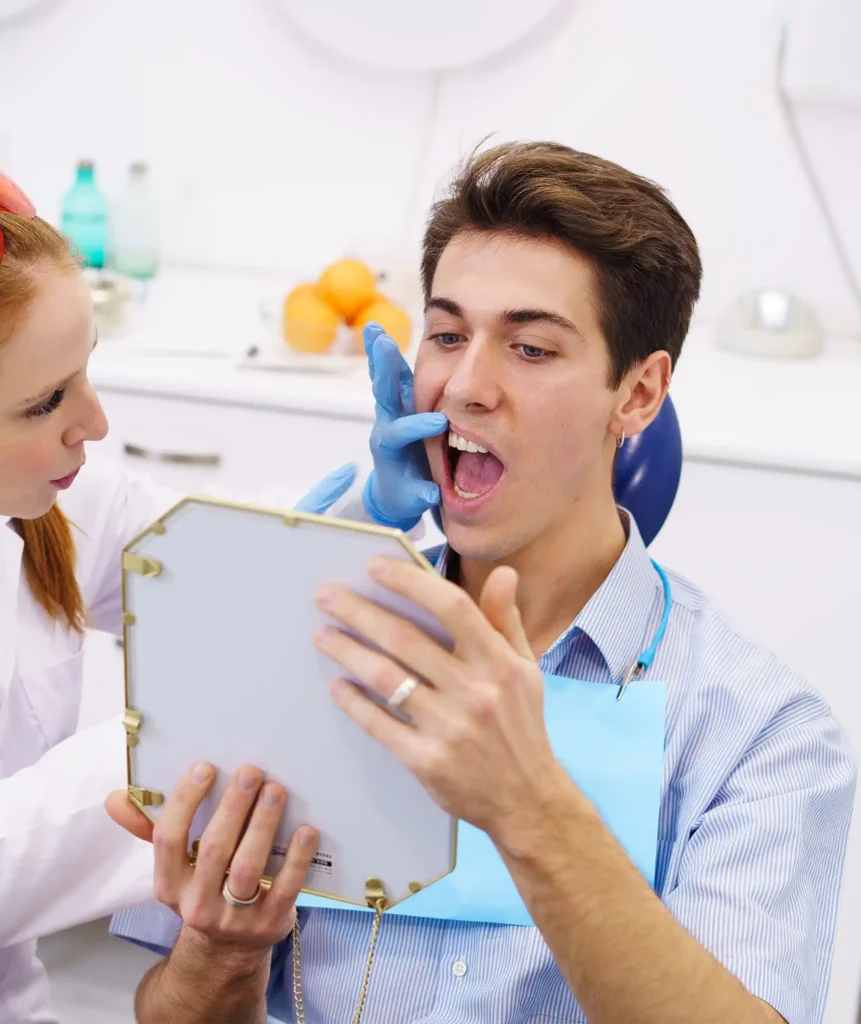
Your appointment begins with a thorough visual and physical examination of the soft tissues of the mouth. The dentist will look at the location, size, colour, and texture of any lesion, and ask about how long it has been present and whether it is causing any symptoms. This assessment helps determine whether a biopsy is the appropriate next step or whether monitoring is more suitable.
If a biopsy is recommended, the area is numbed with a local anaesthetic before the procedure begins. Once the anaesthetic has taken effect, a small tissue sample is collected from the lesion. The procedure is generally straightforward and takes around fifteen to thirty minutes. A small suture may be placed to close the site after the sample is taken. Most patients experience mild soreness in the area for a day or two after the procedure.
The tissue sample is sent to an accredited dental pathology laboratory for histopathological analysis. Results are typically returned within one to two weeks. Your dentist at Warner Dental will contact you to discuss the findings and explain what they mean in plain terms.
If the pathology result is clear, no further action is required beyond continued monitoring at your routine dental check-ups. If the result indicates a finding that requires specialist input, Warner Dental will arrange an appropriate referral and guide you through the next steps. You are not left to manage the process on your own.
The lining of the mouth, known as the oral mucosa, is made up of soft tissue that can change in response to irritation, infection, systemic conditions, or, in some cases, more significant cellular changes. Most changes are benign and resolve once the underlying cause is addressed.
Friction from a sharp tooth or ill-fitting dental appliance, for example, can cause persistent ulceration that mimics a more concerning lesion. A dentist experienced in soft tissue assessment can often identify these causes during an examination. However, certain changes in the oral mucosa, particularly persistent white or red patches, warrant histopathology to rule out dysplasia (abnormal cell changes that can precede more serious conditions).
Tobacco use, alcohol consumption, prolonged sun exposure to the lips, and the human papillomavirus are recognised risk factors associated with changes in the oral mucosa. The Cancer Council Australia mouth cancer information page provides a clear overview of risk factors and what to watch for. The Australian Dental Association oral cancer policy outlines the profession’s position on oral cancer detection and the role of dental practitioners in early identification.
Warner Dental has been providing care to the Warner community and surrounding north Brisbane suburbs since 2002. Over more than two decades, the practice has built a reputation for thorough, patient-focused dentistry that extends well beyond routine check-ups.
Soft tissue findings can be unsettling for patients, and the team at Warner Dental is experienced in handling these conversations with clarity and care. When a biopsy is recommended, the process is explained fully before anything proceeds, and results are discussed in plain language once they are returned from the pathology laboratory. The periodontal and surgical services at Warner Dental reflect a long-standing commitment to care that goes beyond general dentistry.
For patients in Warner, Bray Park, Strathpine, Cashmere, Lawnton, and the broader north Brisbane area, Warner Dental offers direct access to soft tissue assessment without the need for a prior specialist referral. If you are new to the practice, you can find out what to expect when you visit the new patients at Warner Dental page.
Warner Dental welcomes new and existing patients from Warner, Bray Park, Strathpine, North Lakes, and across north Brisbane. If you have a mouth sore, unusual patch, or persistent ulcer that has not resolved, the team is available to assess it and advise on the right approach.
Protect your smile with regular care at Warner Dental.
The procedure is performed under local anaesthetic, so you should not feel pain during the biopsy itself. Some tenderness and mild swelling around the site are normal for a day or two after the procedure. Over-the-counter pain relief is usually sufficient to manage any post-procedure discomfort. Your dentist will give you clear aftercare instructions before you leave.
No referral is needed. You can book directly with Warner Dental if you have a concern about a lesion, ulcer, or unusual area in your mouth. If your assessment indicates that specialist input is required, the team will arrange an appropriate referral for you.
Once the tissue sample is sent to the pathology laboratory, results are generally returned within one to two weeks. Your dentist will contact you to go through the findings and discuss any recommended next steps.
A dentist can identify lesions or tissue changes that may warrant further investigation. Diagnosis is made by a pathologist based on analysis of the tissue sample. If the results indicate a finding that requires specialist management, your dentist will refer you to the appropriate specialist and explain the process clearly.
White patches, known clinically as leukoplakia, are areas where the tissue has thickened and changed colour, often in response to chronic irritation. Red patches, known as erythroplakia, are less common but are considered more likely to be associated with tissue changes that require investigation. Both warrant a professional assessment, particularly if they persist beyond two to three weeks or cannot be wiped away. Your dentist will examine the appearance and characteristics of any patch and advise on whether a biopsy is appropriate.
No. Oral cancer screening is a visual and physical examination carried out as part of a dental appointment to look for any signs of abnormal tissue. A biopsy is a separate procedure carried out when a specific area of concern has been identified. You can find out more about the examination process on the oral cancer screening at Warner Dental page.
Cover depends on your individual policy and level of dental extras. Some private health funds with dental cover may provide a partial rebate for biopsy procedures. The team at Warner Dental can give you a clear cost estimate before any procedure goes ahead. Call (07) 3882 3200 to discuss your situation before booking if you have questions about costs.
Thorough examination, professional clean, and fluoride application to maintain healthy teeth and gums.
Protective coatings applied to back teeth to reduce the risk of decay.
Custom-fitted appliances for sports protection and management of teeth grinding (bruxism).
Compassionate, patient-focused care for those who feel nervous about dental treatment.
Clear, detailed assessments to help you make informed decisions about your dental health.
Assessment and treatment of enamel wear caused by grinding, acid erosion, or ageing.
Saving infected or damaged teeth by removing infection and restoring strength.
Natural-looking restorations to repair cavities and protect tooth structure.
Custom-made restorations to strengthen and protect weakened teeth.
Replacing missing teeth to restore function and maintain alignment.
Removable options to replace multiple or all missing teeth and improve chewing ability.