
For routine visits, emergencies, and general enquiries
Get Direction
Restorative Dentistry
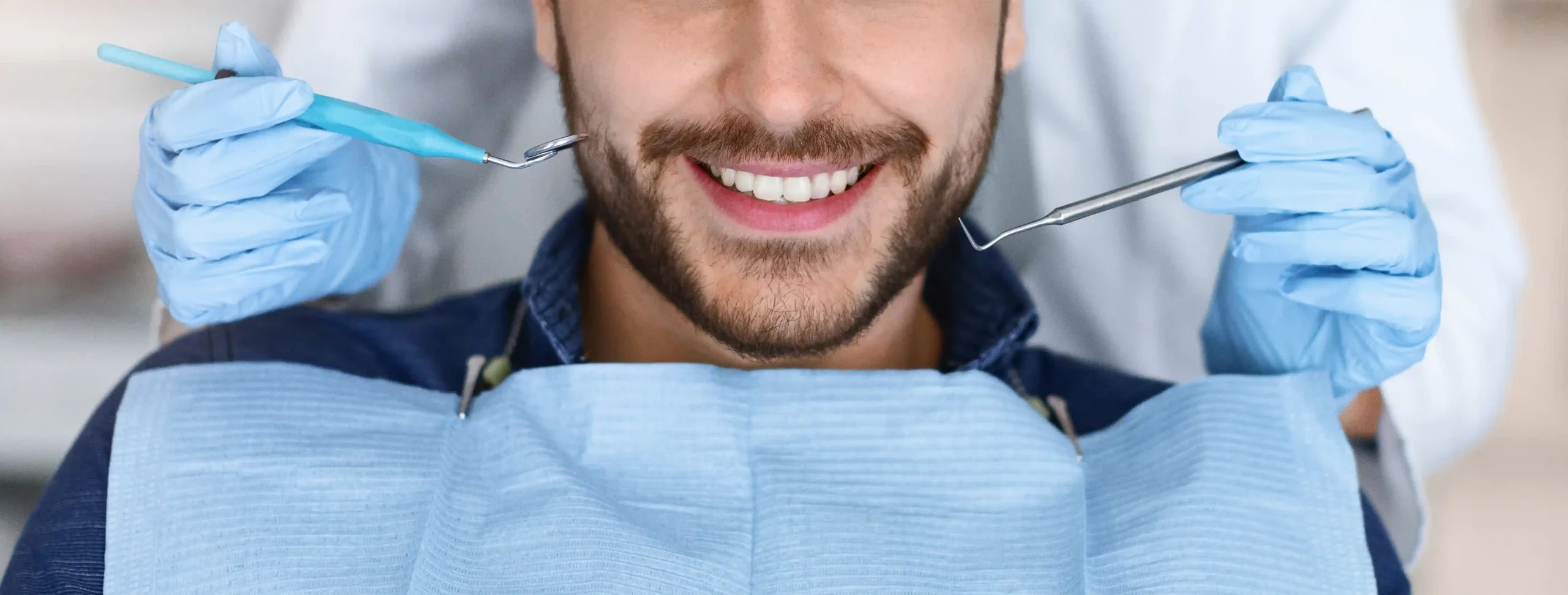
Restorative dentistry in Warner covers the treatments used to repair teeth affected by decay, fracture, wear, or tooth loss. At Warner Dental, the focus is on restoring both the function and appearance of your teeth using materials and techniques suited to your individual situation. Whether you need a straightforward filling or a more involved restoration such as a crown or bridge, the team works through each case carefully and explains your options before any treatment begins. Warner Dental has been serving patients in North Brisbane since 2002, and restorative care sits at the heart of what the practice does.
Restorative dentistry refers to any treatment that repairs or replaces teeth that have been damaged or lost. The primary aim is to bring back the strength and function of your bite, though many restorations also improve the way your smile looks at the same time.
Common treatments include fillings, crowns, inlays and onlays, bridges, and dentures. The most appropriate option depends on how much tooth structure remains, where the tooth sits in your mouth, and what demands are placed on it when you chew.
It is worth noting the difference between restorative and cosmetic dentistry. Cosmetic dentistry focuses on improving appearance. Restorative dentistry focuses on health and function. In practice, the two often overlap, but the starting point for restorative work is always clinical need.
You may benefit from a restorative assessment if you notice any of the following:
These signs do not always mean the same treatment is needed. A dentist will examine the affected tooth, assess the surrounding structure, and recommend the most conservative approach that still achieves a lasting result.
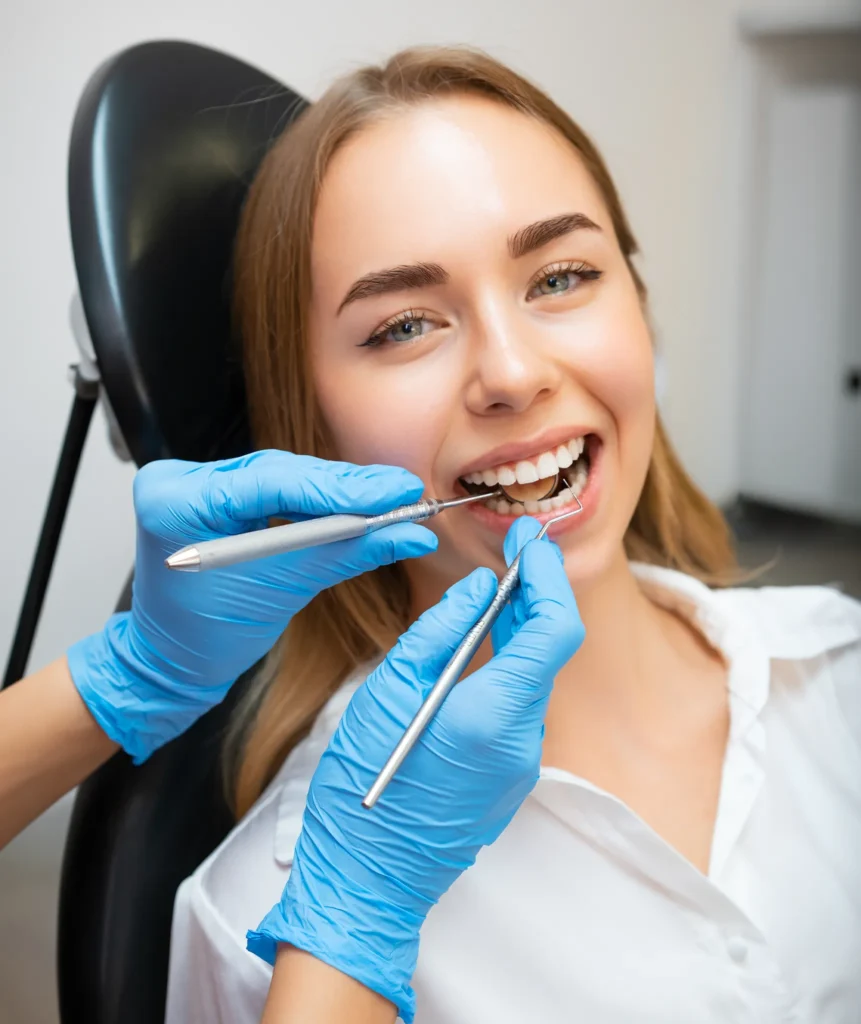
The first step is a thorough examination of the affected tooth or teeth. This includes a visual check, probing of any damaged areas, and X-rays where needed to assess what is happening beneath the surface. The team will identify the extent of the damage and explain what is involved before any treatment is discussed.
Once the examination is complete, the dentist will outline the available options and explain the reasoning behind each recommendation. For straightforward cases such as a small cavity, this conversation may be brief. For more complex situations involving multiple teeth or significant tooth loss, a staged treatment plan may be put together.
Treatment is carried out under local anaesthetic in most cases, so you should not feel pain during the procedure. The approach varies depending on the type of restoration. A filling is completed in a single visit. A crown or inlay typically requires two appointments, with a temporary restoration placed in between while the permanent piece is made in a dental laboratory.
After restorative treatment, the team at Warner Dental will advise on how to care for the restoration and what to watch for over time. Many restorations last for years with good oral hygiene and regular routine dental check-ups. The team monitors existing work at each visit and will let you know if anything needs attention.
Warner Dental offers a full range of restorative options, from minor repairs through to more involved work involving multiple teeth.
Fillings are the most common restorative treatment. They are used to repair teeth affected by tooth decay, where the cavity is cleaned out and filled with composite resin or ceramic material. Composite resin blends with natural tooth colour and is well suited to teeth that are visible when you smile. Ceramic restorations offer durability and are often preferred for teeth that carry more biting force.
For teeth that have lost significant structure, dental crowns at Warner Dental provide a protective cover over the entire visible surface of the tooth. Inlays and onlays sit between a filling and a crown in terms of coverage and are used when a filling is not sufficient but a full crown is not yet needed. For missing teeth, dental bridges and implants are two established options that the team will assess based on your circumstances and bone condition.
Warner Dental has been part of the North Brisbane community since 2002. The practice takes a long-term view of patient care, which means restorations are chosen and planned with durability and future dental health in mind, not just immediate repair.
Warner Dental handles a broad range of restorative work in-house, from straightforward composite fillings through to crowns, inlays, onlays, and bridges, which means patients rarely need to be referred elsewhere for restorative care. The team assesses each case individually and recommends the most conservative option that will achieve a lasting result, rather than defaulting to a more involved restoration when a simpler one will do. Patients with dental anxiety are accommodated with a gentle approach and options to make treatment more comfortable.
Warner Dental uses current materials and techniques suited to each type of restoration, and the team takes time to explain what is involved before any work begins. Patients with dental anxiety are accommodated with a gentle approach and options to make treatment more comfortable. The practice is based in Warner and regularly sees patients from Bray Park, Strathpine, Lawnton, Joyner, Cashmere, and surrounding North Brisbane suburbs. For information on covering the cost of treatment, see payment options at Warner Dental.
Warner Dental is located in Warner and welcomes both new and existing patients. If you have a damaged, decayed, or broken tooth, or if you are not sure whether something you have noticed needs attention, the team is happy to take a look and give you a straightforward assessment. Patients from Bray Park, Strathpine, Cashmere, and across North Brisbane are always welcome.
Protect your smile with regular care at Warner Dental.
The lifespan of a filling depends on the material used, the size of the restoration, and how well you maintain your oral hygiene. Composite resin fillings generally perform well over many years with regular care. Ceramic and porcelain restorations tend to be more durable in areas under heavier bite load. Your dentist will monitor existing fillings at check-up appointments and let you know when replacement is likely to be needed.
Many restorative treatments attract a rebate under private health insurance policies that include dental extras cover. The amount varies depending on your specific fund and level of cover. Warner Dental can provide itemised treatment codes before any work begins, so you can check your entitlements with your fund in advance. For general guidance on what dental services may be covered under private health insurance, the Australian Government Private Health website is a useful starting point.
Rinse your mouth gently with warm water. If there is bleeding, apply gentle pressure with a clean cloth. Try to keep any broken piece if you can find it, as this information may assist with assessment. Contact Warner Dental on (07) 3882 3200 as soon as possible and the team will advise you on next steps and arrange an appointment.
A filling is generally appropriate when the damage is limited to a portion of the tooth and enough sound tooth structure remains to support it. A crown becomes the better option when a tooth has cracked significantly, lost a large amount of structure, or when an existing filling has become too large to reliably support the remaining tooth. Your dentist will assess the tooth and explain the reasoning behind whichever option they recommend.
In many cases, a tooth with significant damage can still be restored, depending on how much healthy root and surrounding bone remains. Options such as a crown, inlay, or in some situations root canal treatment followed by a crown can preserve a tooth that might otherwise be extracted. The dentist will assess each case individually and be straightforward about whether restoration is likely to achieve a reliable long-term result.
The cost varies depending on the type of treatment and the extent of the work involved. A small filling is considerably less involved than a crown or bridge. Warner Dental provides a clear, itemised treatment plan before any work begins so you know what is involved and what the fees are. Many treatments are partially covered by private health insurance with dental extras. Call (07) 3882 3200 or book online to arrange an assessment.
Existing restorations should be reviewed at your regular dental check-ups, typically every six to twelve months depending on your overall oral health. The dentist will look for signs of wear, cracking, or changes around the margins of fillings and crowns. Catching issues early usually means simpler and less costly treatment than waiting until a restoration has failed completely.
Thorough examination, professional clean, and fluoride application to maintain healthy teeth and gums.
Protective coatings applied to back teeth to reduce the risk of decay.
Custom-fitted appliances for sports protection and management of teeth grinding (bruxism).
Compassionate, patient-focused care for those who feel nervous about dental treatment.
Clear, detailed assessments to help you make informed decisions about your dental health.
Assessment and treatment of enamel wear caused by grinding, acid erosion, or ageing.
Saving infected or damaged teeth by removing infection and restoring strength.
Natural-looking restorations to repair cavities and protect tooth structure.
Custom-made restorations to strengthen and protect weakened teeth.
Replacing missing teeth to restore function and maintain alignment.
Removable options to replace multiple or all missing teeth and improve chewing ability.