
For routine visits, emergencies, and general enquiries
Get Direction
Early Cavity Detection
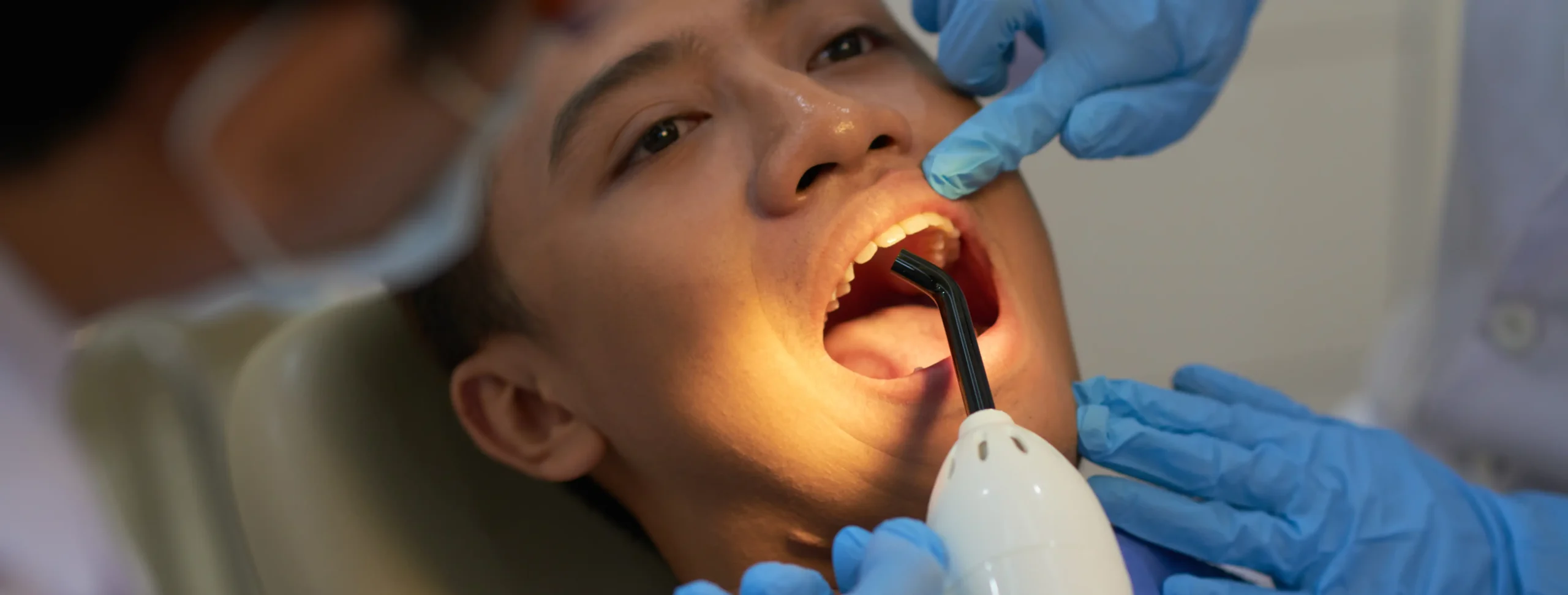
Tooth decay is one of the most common dental problems seen in patients of all ages, but it does not always announce itself with pain. Warner Dental uses caries detection aids as part of a thorough examination to identify early cavity development in Warner and across North Brisbane. Catching a cavity in its earliest stage gives patients far more options, and often means avoiding more involved treatment down the track.
Dental caries is the clinical term for tooth decay. It begins when bacteria in the mouth produce acids that wear away the outer layer of the tooth, known as enamel. Over time, this process can progress deeper into the tooth structure if it goes unnoticed.
Caries detection aids are diagnostic tools and techniques that help dentists identify decay that may not be visible to the naked eye or easily felt during a standard examination. They work alongside a clinical assessment, not as a replacement for one. Their purpose is to build a more complete picture of what is happening inside and between the teeth.
Different aids work in different ways. Some use light-based technology, such as fluorescence or transillumination, to highlight areas where the tooth structure has changed. Others include small handheld devices that measure changes in the mineral content of enamel or dentin. Digital bitewing radiographs, a type of dental X-ray taken from the side of the teeth, also play an important role in identifying interproximal decay, which is decay that forms between teeth where a mirror and probe cannot reach.
You may benefit from a detailed caries assessment if you notice any of the following, or if your dentist identifies risk factors during a check-up:
These signs do not always mean a cavity is present, but they are worth investigating. A caries risk assessment helps the dental team understand your individual level of risk and tailor a prevention plan accordingly.
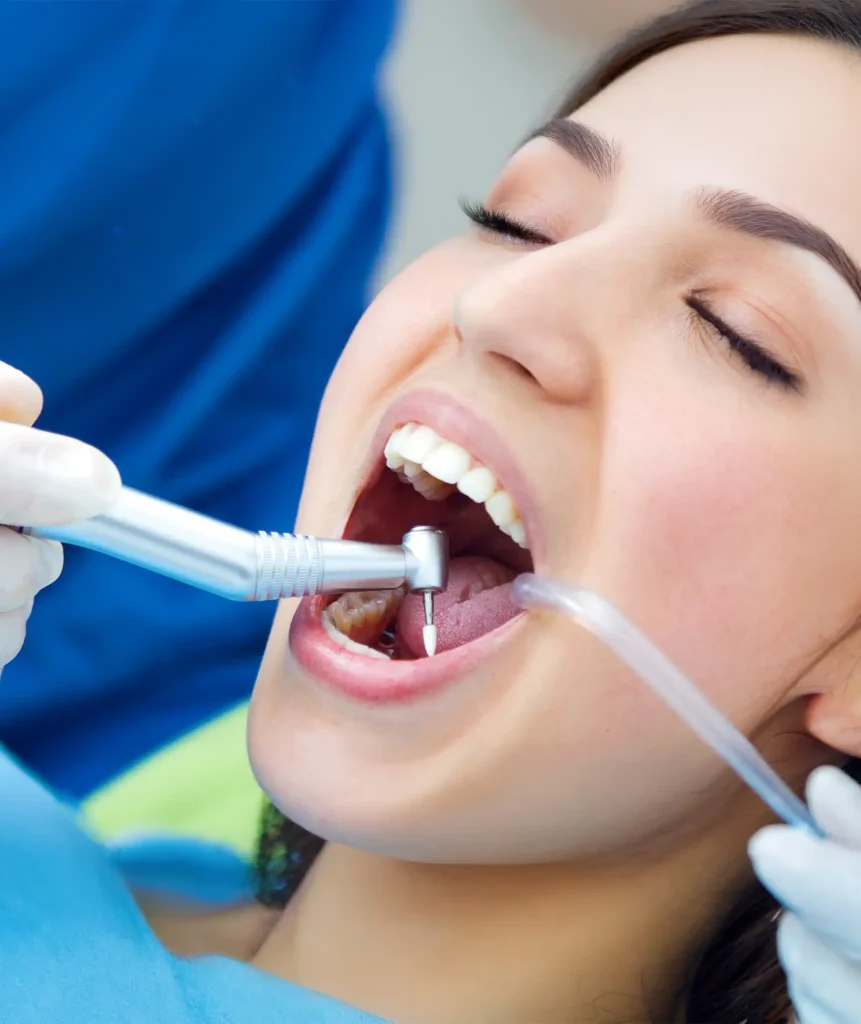
The process begins with a thorough visual and tactile examination. The dentist will check each tooth surface carefully, looking for any changes in colour, texture, or structure. This step forms the foundation of any caries assessment and is always performed before other aids are introduced.
Digital bitewing radiographs are used where appropriate to look at areas between and beneath the teeth. These images allow the dental team to detect lesions, which are areas of decay, at an early stage when they may still be within the enamel layer. Early detection at this stage offers the possibility of remineralisation, where the tooth can recover with the right support, rather than requiring a filling.
For specific areas of concern, the team may use fluorescence-based or transillumination devices. These tools direct a controlled light through the tooth and highlight changes in density that can indicate demineralisation or early carious lesions. They are particularly useful for checking fissures, the natural grooves on the biting surfaces of back teeth, which are a common site for early decay.
A caries detection dye is a coloured solution applied directly to the tooth surface during an examination or in the process of removing decay. The dye works by staining softened or demineralised tooth structure, while leaving sound enamel and dentin unstained. This gives the dentist a precise visual reference to assess the extent of a lesion and, where treatment is underway, to confirm that all affected structure has been cleared before a restoration is placed. The dye is safe, rinses away cleanly, and adds a useful layer of certainty in cases where findings from other detection methods benefit from direct visual confirmation.
Once all findings are gathered, the dentist will explain what has been found in plain language and discuss the available options. Where decay is caught early, monitoring, remineralisation therapy, or preventive measures such as fluoride application may be appropriate. Where a cavity is confirmed, the team will outline the most suitable approach for restoring the tooth.
Finding decay early is not just about saving time or avoiding discomfort at the chair. It is about preserving as much natural tooth structure as possible. Once decay progresses beyond the enamel and into the dentin beneath, a restoration becomes necessary. If it reaches the inner pulp of the tooth, root canal treatment or extraction may be the only remaining options.
The research behind caries management has shifted significantly toward early intervention and prevention. Remineralisation, the natural process by which minerals in saliva help repair weakened enamel, is only possible before a cavity has fully formed. Detection aids help identify teeth at the point where this window for reversal may still be open.
Patients who understand their caries risk are also better placed to make changes that support their oral health long-term. For further background on tooth decay and how it develops, the tooth decay information from Healthdirect provides a clear and reliable overview. The Queensland Government also outlines the connection between oral health and general health Queensland for those interested in the broader picture.
Warner Dental has been caring for patients in the local community since 2002. The practice has built long-term relationships with families across Warner and the surrounding North Brisbane area, and that continuity means the dental team can track changes in your oral health over time, which is especially useful when managing caries risk.
Warner Dental uses caries detection aids as part of every thorough examination, including light-based fluorescence devices and digital bitewing radiographs, to find decay at a stage when remineralisation may still be possible. This means patients have a genuine opportunity to avoid fillings rather than simply being told one is needed.
Warner Dental serves patients from Warner, Bray Park, Lawnton, Cashmere, Joyner, Warner Lakes, Strathpine, and neighbouring North Brisbane suburbs. If you would like to know more about what a check-up involves, you can find further details on the routine dental check-up appointment page.
Warner Dental welcomes new and existing patients from Warner, Bray Park, Lawnton, and across the wider North Brisbane area. Whether you are due for a check-up or have a specific concern about decay, the team is ready to help. Appointments are available for patients of all ages, and the team will take the time to explain findings and options clearly.
Protect your smile with regular care at Warner Dental.
A routine check-up includes a caries assessment as part of the overall examination. The term caries detection aids refers specifically to the diagnostic tools and techniques used during that examination to find decay that may not be visible without assistance. For many patients, these aids are already part of their standard check-up. Your dentist will let you know if additional assessment is recommended based on your individual risk profile. Both serve the same goal, which is keeping your teeth healthy for the long term.
No, the diagnostic tools used for caries detection are non-invasive. Light-based devices are simply held near the tooth surface, and digital X-rays are quick and low-dose. The examination itself does not cause discomfort in most cases. If you have concerns about sensitivity during the examination, let the dental team know before the appointment begins.
In some cases, yes. When decay is detected at the very early stage, still within the outer enamel layer and not yet forming a physical cavity, remineralisation may be possible with the right support. This can include fluoride treatments, dietary advice, and improved home care. Once a cavity has physically formed in the tooth structure, a restoration is generally needed. This is why early detection matters so much.
For most adults, a check-up every six months is a common recommendation. However, the right interval depends on your individual caries risk. Patients with a history of frequent decay, dry mouth, or high sugar intake may benefit from more frequent monitoring. Patients with a low risk and stable oral health may be seen less often. Your dentist will recommend a schedule that suits your circumstances.
Yes. Children are often at higher risk of decay due to dietary habits and developing tooth structure. Detection aids are used as part of children’s examinations where appropriate. The team can also discuss prevention strategies specific to younger patients, including the potential role of fissure sealants for back teeth, which protect the grooved surfaces most vulnerable to caries. For more about caring for children’s teeth, visit the children’s dentistry at Warner Dental page.
The dentist will explain the findings clearly and discuss your options. For very early lesions, a monitoring and remineralisation approach may be recommended. For confirmed cavities, a restoration will be needed to stop the decay from progressing. Warner Dental offers tooth-coloured fillings for decay that blend naturally with the surrounding tooth. The team will walk you through what is involved before any treatment begins.
Coverage depends on your individual health fund and level of cover. Detection aids used during a routine check-up are typically part of the examination item, and many funds provide some cover for check-ups under general dental. It is worth checking with your fund directly to understand what your policy includes. Warner Dental’s reception team can also help clarify costs before your appointment.
Thorough examination, professional clean, and fluoride application to maintain healthy teeth and gums.
Protective coatings applied to back teeth to reduce the risk of decay.
Custom-fitted appliances for sports protection and management of teeth grinding (bruxism).
Compassionate, patient-focused care for those who feel nervous about dental treatment.
Clear, detailed assessments to help you make informed decisions about your dental health.
Assessment and treatment of enamel wear caused by grinding, acid erosion, or ageing.
Saving infected or damaged teeth by removing infection and restoring strength.
Natural-looking restorations to repair cavities and protect tooth structure.
Custom-made restorations to strengthen and protect weakened teeth.
Replacing missing teeth to restore function and maintain alignment.
Removable options to replace multiple or all missing teeth and improve chewing ability.