
For routine visits, emergencies, and general enquiries
Get Direction
Guided Dental Implant Surgery
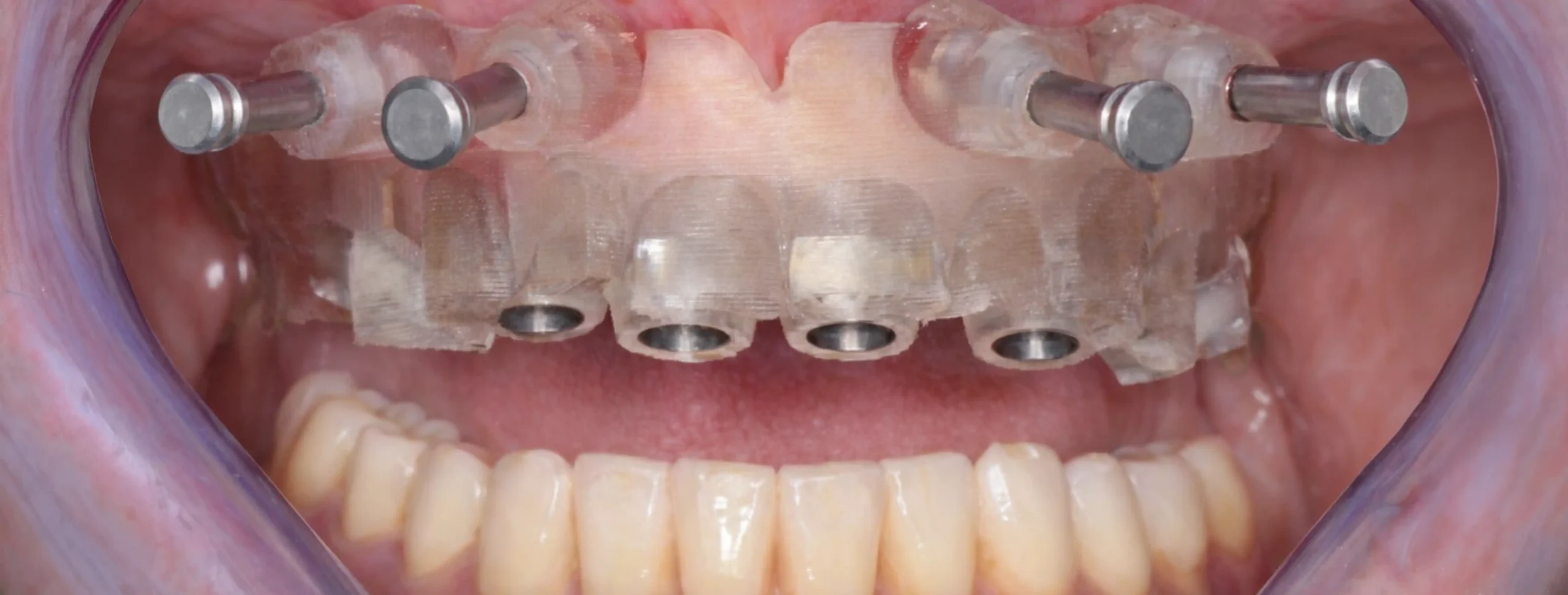
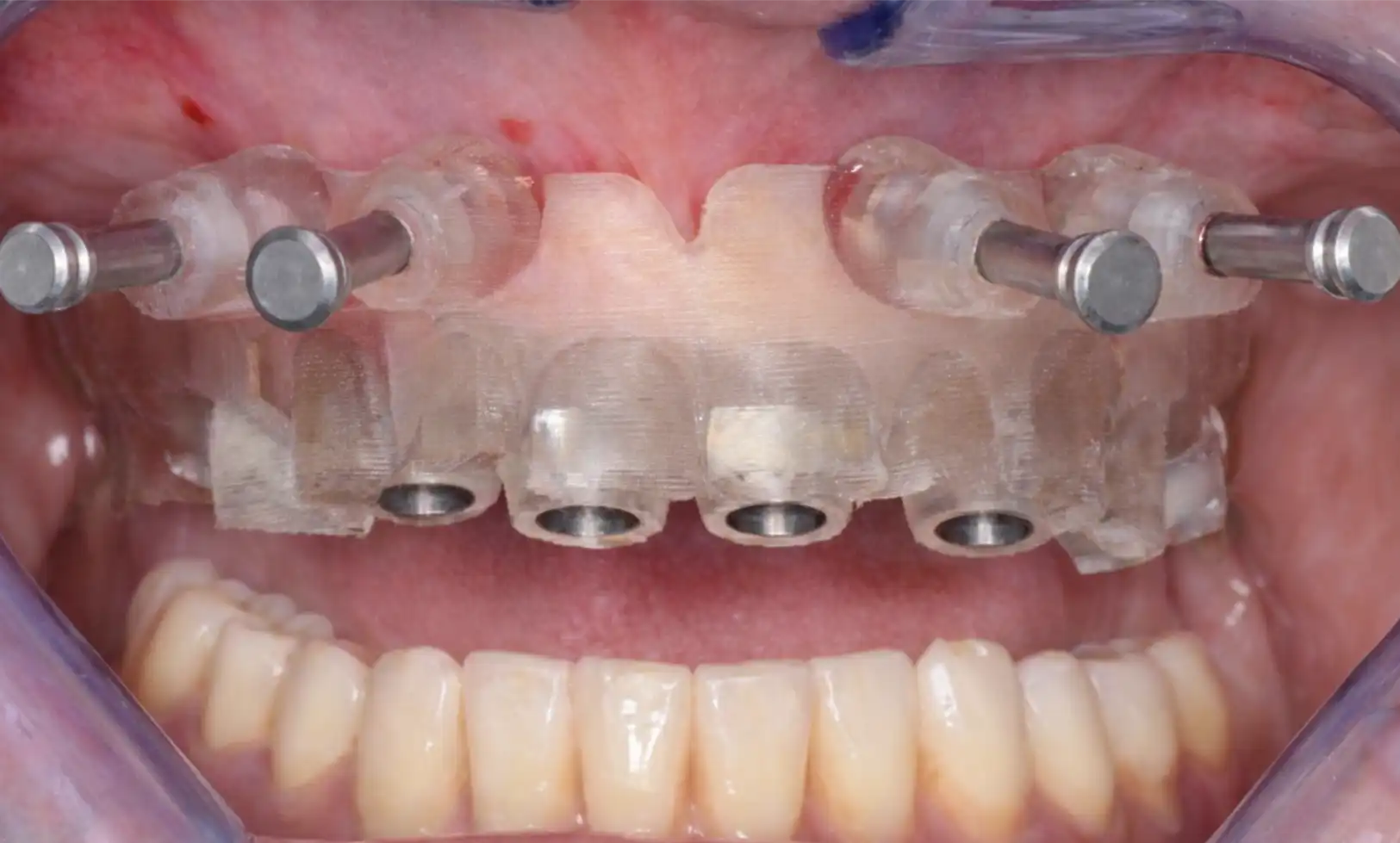
Dental implants are widely used to replace missing teeth by inserting a titanium fixture into the jawbone to support a prosthetic crown, bridge, or denture. Traditional implant placement relies on the clinician’s experience and visual judgement during surgery. However, advancements in digital imaging, computer planning, and surgical guides have introduced guided dental implant surgery, also known as computer-guided implant surgery (CGIS) or fully guided implant placement.
Guided implant surgery uses three-dimensional digital planning and a fabricated surgical guide to position implants accurately according to the patient’s anatomy and prosthetic requirements. This technique improves precision, safety, and predictability compared with conventional methods.
Guided implant surgery integrates several digital technologies:
These technologies allow clinicians to plan implant placement virtually before surgery, ensuring optimal positioning relative to:
The surgical guide then transfers the digital plan to the patient’s mouth during surgery.
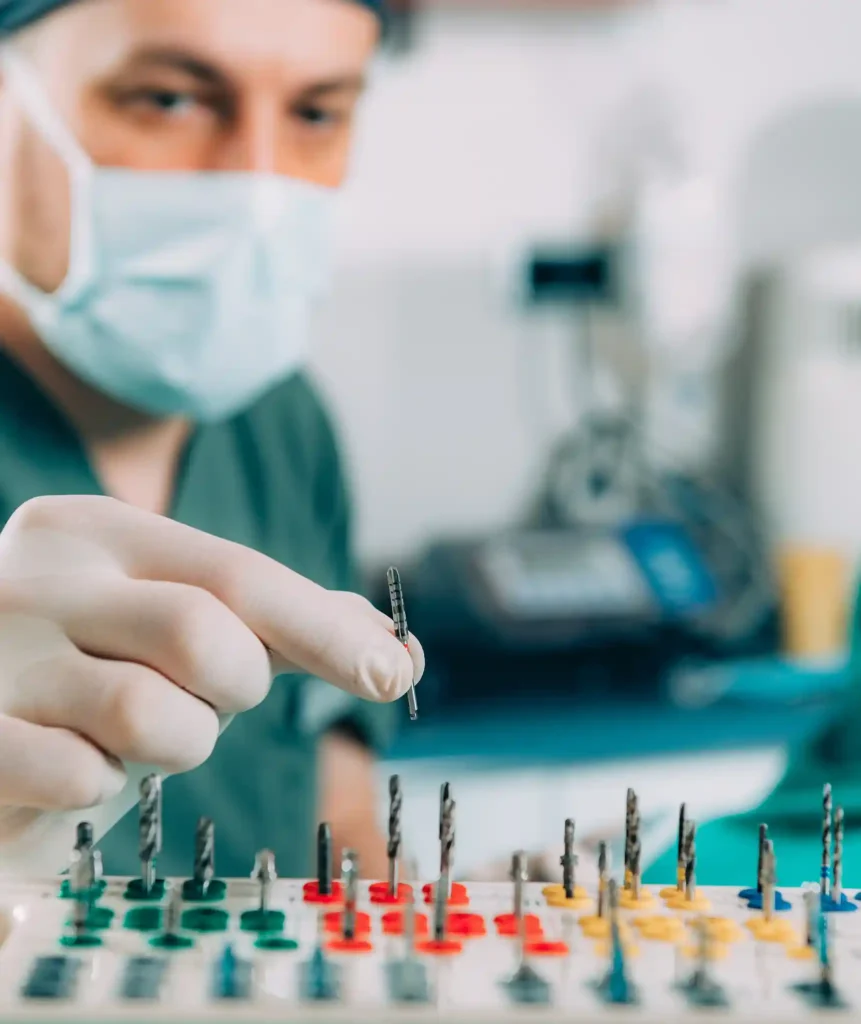
The procedure is typically divided into five main stages.
The first step involves a comprehensive evaluation including:
Patients suitable for guided implant surgery often include those with:
CBCT Scan
A Cone Beam Computed Tomography (CBCT) scan provides a three-dimensional image of the jaws, allowing visualization of:
Digital Impression
An intraoral scanner or conventional impression is used to create a digital model of the teeth and soft tissues.
The CBCT data and digital impression are merged in implant planning software to create a complete 3D virtual patient model.
Specialized software is used to plan implant placement based on prosthetic and anatomical considerations.
Planning includes:
This stage is called prosthetically driven implant planning, meaning the implant is positioned according to the ideal final crown position, not just bone availability.
Advantages of this planning stage include:
Once planning is finalized, the software generates a surgical guide design.
The guide is manufactured using:
The surgical guide contains metal sleeves or guide channels that direct the implant drills during surgery.
Types of surgical guides include:
These guides ensure the implant is placed in the exact position planned digitally.
During surgery:
Flapless Technique
In many guided surgeries, a flapless approach is used:
After implant placement:
Traditional implant surgery involves:
Steps in Conventional Surgery
This technique relies heavily on the clinician’s experience and intraoperative judgement.
Guided surgery offers several advantages compared with conventional flap implant placement.
Computer-guided systems allow implant placement with high positional accuracy.
Benefits include:
This reduces complications such as:
The digital planning stage allows clinicians to visualize vital structures such as:
This reduces the risk of:
Guided surgery often allows flapless implant placement, which provides:
Because flap elevation is often avoided:
Patients generally experience:
Guided surgery can significantly reduce surgical time because:
This is particularly beneficial for:
Accurate implant placement allows fabrication of prefabricated provisional restorations.
In some cases, patients can receive:
This improves patient satisfaction and aesthetics.
Because implants are placed based on prosthetic planning, the final restorations achieve:
If you are missing one or more teeth, an early consultation can help determine whether dental implants are a suitable long-term replacement option for restoring function, stability, and appearance.
Protect your smile with regular care at Warner Dental.
Single dental implants replace individual missing teeth without affecting neighbouring teeth. A custom crown is attached to the implant to restore appearance and chewing function.
All-on-4 or All-on-X implant treatment replaces a full arch of missing teeth using a small number of strategically placed implants that support a fixed bridge.
Implant-supported dentures connect to dental implants for improved stability compared with conventional removable dentures, helping reduce movement while speaking or eating.
For patients with extensive tooth loss or complex dental issues, full mouth rehabilitation may combine implants with restorative and cosmetic treatments to restore both function and appearance.
Guided implant surgery uses three-dimensional digital planning and a fabricated surgical guide to position implants accurately according to the patient’s anatomy and prosthetic requirements.