
For routine visits, emergencies, and general enquiries
Get Direction
All-on-X or All-on-4
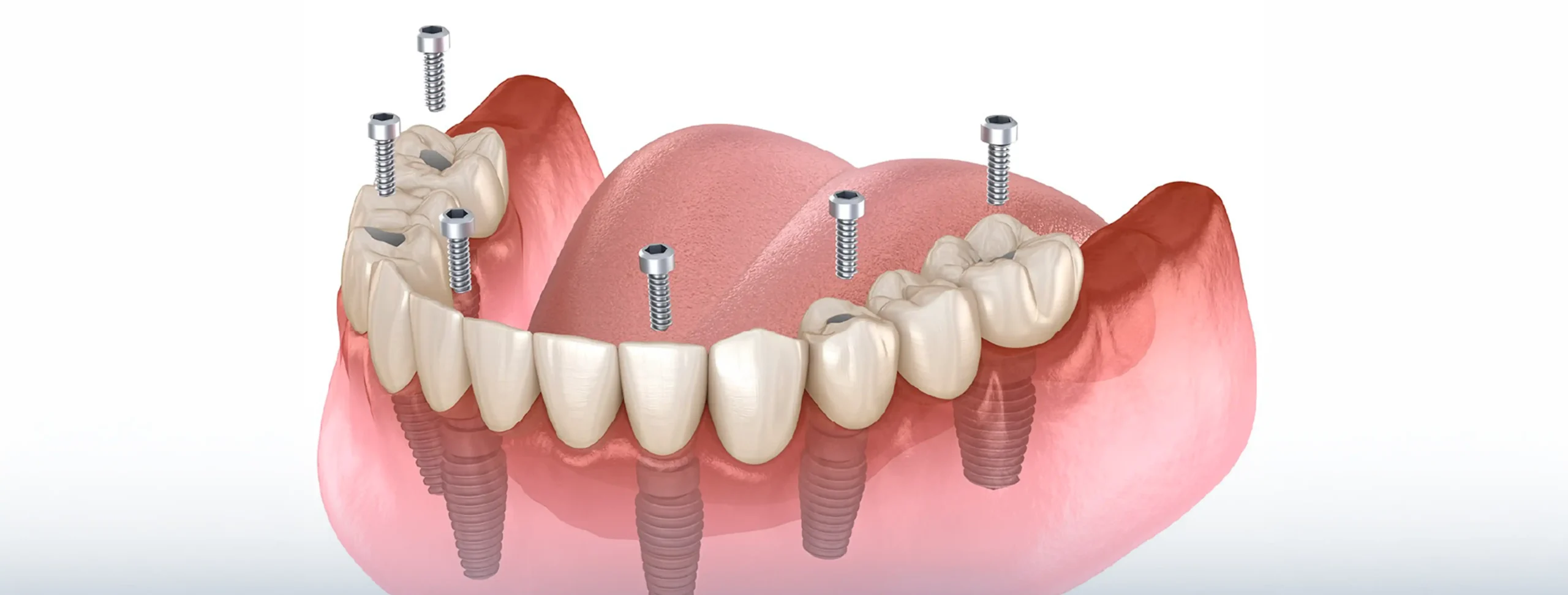
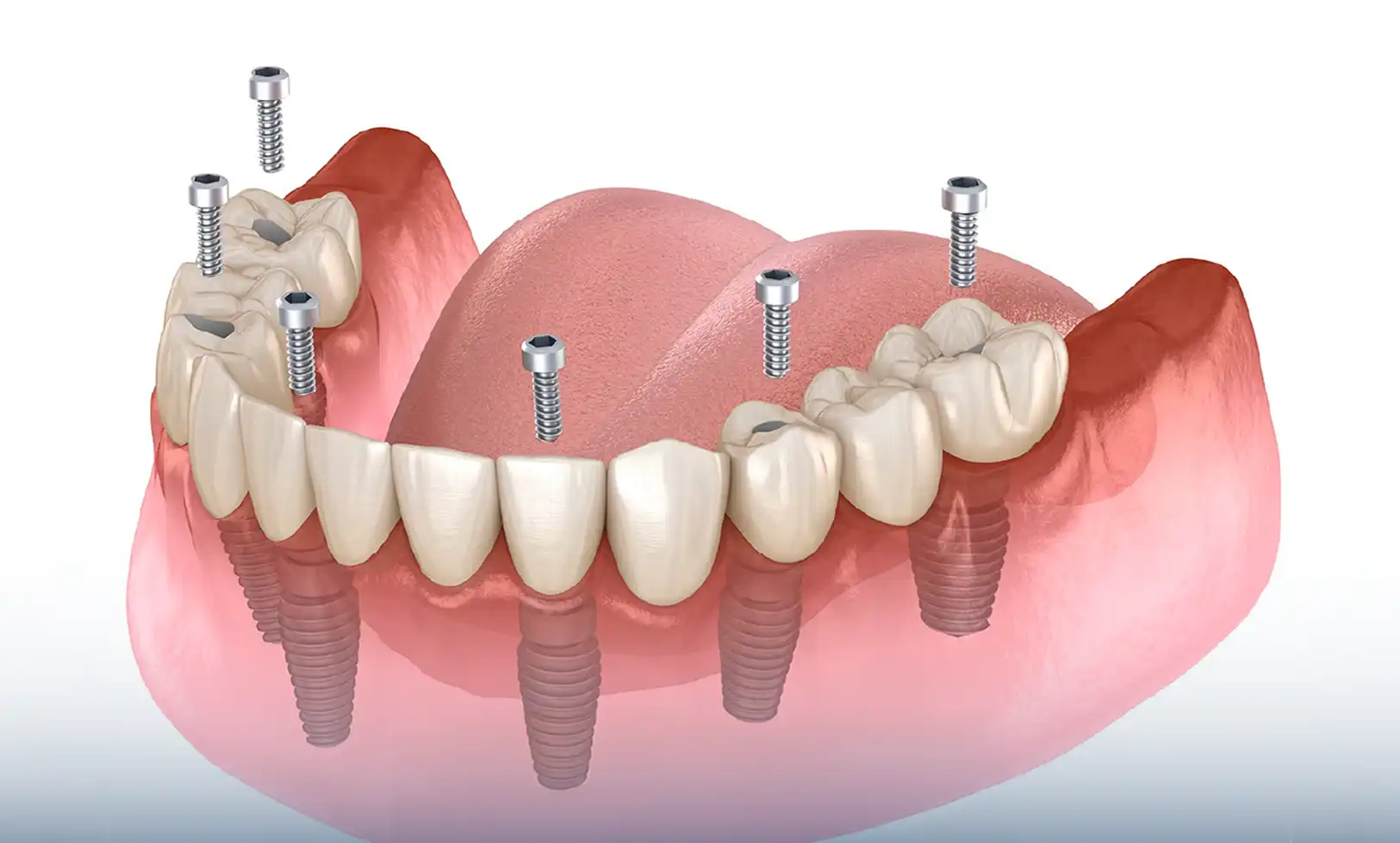
At Warner Dental, we provide consultation and treatment planning for All-on-4 and All-on-X dental implants for patients in Warner, North Brisbane, and surrounding areas. All-on-4 is a full-arch treatment that replaces a full set of upper or lower teeth with a fixed bridge supported by dental implants.
A clinical assessment with imaging is required to determine whether this treatment is suitable for you. Implant treatment is a surgical procedure and carries risks, and outcomes vary between patients.
All-on-4 is a full-arch implant treatment that uses four carefully positioned dental implants in the jaw to support a fixed bridge of replacement teeth.
In a typical case:
In some cases, more than four implants may be recommended, depending on your bone structure and functional needs. This approach is sometimes called All-on-X, because the number of implants can vary.
This treatment may be considered for patients who:
Suitability depends on bone quality, oral health, and medical history. If you would prefer a removable option, you can compare implant-supported dentures, or read our guide on implant supported dentures vs All-on-4.
There is no single fixed price for full-arch implant treatment, because the cost depends on several factors:
An exact fee cannot be given without a clinical examination and treatment plan. At Warner Dental, you receive a written, itemised treatment plan, the costs are explained before you proceed, and we can talk through the payment options and health fund processes available. This information is general only and does not constitute a quote.
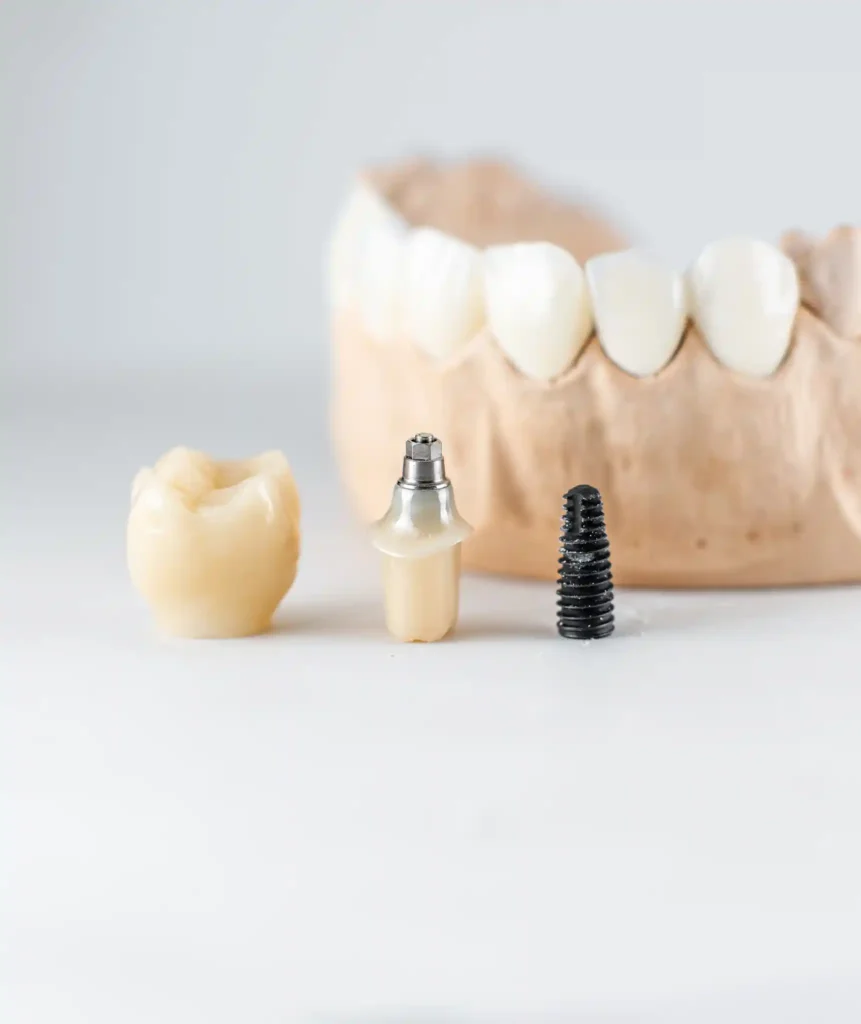
Not all patients are suitable for immediate implant placement.
Placement is performed under local anaesthesia, with sedation available in appropriate cases. Four implants are placed into the jawbone, and where planning calls for it we use guided implant surgery. In some cases a temporary fixed bridge may be fitted on the same day, though this depends on implant stability and clinical assessment.
Healing usually takes around three to six months. During this time the implants integrate with the bone, follow-up appointments monitor healing, and adjustments may be made if a temporary bridge is worn. Healing times vary between patients.
Once the implants are stable, impressions or digital scans are taken, a custom bridge is made, and the final bridge is secured and adjusted for bite and comfort.
Potential benefits of All-on-4 dental implants may include:
Results vary between individuals, and a consultation is needed to assess what may be achievable in your case.
Important points to understand:
Any clinical photographs used must be of actual patients, unaltered and unfiltered, with comparable lighting and positioning, and must state that outcomes vary. A consultation is required to assess whether similar results may be achievable for you.
Daily maintenance is essential to the long-term success of the treatment. Patients are usually advised to:
Poor oral hygiene can increase the risk of peri-implant inflammation, bone loss around the implants, and implant failure. Maintenance is ongoing and forms part of long-term care.
As with any surgery, All-on-4 treatment carries risks. These are explained in full before you decide whether to proceed.
For complex cases involving several treatment types, see our full mouth rehabilitation page.
If you are considering All-on-4 dental implants, a comprehensive consultation is required to determine suitability and provide a personalised treatment plan. Book a consultation or call (07) 3882 3200.
Protect your smile with regular care at Warner Dental.
FAQs
A fixed full-arch bridge sits close to the gum, but small gaps are part of the design so the area can be cleaned. Some patients notice food gathering underneath, particularly early on, which is why cleaning with interdental brushes, floss threaders, or a water flosser is important. Your dentist will show you how to keep the area clean at your review appointments.
Because the bridge is fixed, you clean around and beneath it rather than removing it. Most patients brush twice daily with a soft brush, clean under the bridge with interdental brushes or floss threaders made for implants, and use a water flosser if advised. Professional cleaning at least every six months allows us to check the implants and surrounding gum.
The placement itself is carried out under local anaesthesia, and sedation may be available in appropriate cases, so you should not feel pain during the procedure. Some swelling, bruising, or discomfort is normal in the days afterward and can usually be managed with the advice and medication your dentist provides. Individual experiences vary.
There is no single price, because the cost depends on the number of implants, the bridge material, whether extractions or grafting are needed, and the laboratory work involved. We provide a written, itemised treatment plan after your consultation so you can see each part of the cost before deciding. This is general information and not a quote.
It may suit patients who have lost most or all of their teeth in an arch, or whose remaining teeth cannot be saved, and who have enough healthy jawbone to support implants. General health, gum health, and medical history all play a part, and smoking can affect healing. Only a consultation with imaging can confirm whether the treatment is right for you.
Treatment usually spans several months. After planning and implant placement, the implants need roughly three to six months to integrate with the bone before the final bridge is fitted. A temporary bridge may be worn during this time. The exact timeline depends on your healing and whether additional procedures are needed.
In many cases a temporary fixed bridge can be placed so you are not left without teeth during healing, but this depends on implant stability and your dentist’s clinical assessment. In some situations a different interim option is more appropriate. This is discussed and planned with you before treatment begins.
Long-term success relies on daily cleaning around the bridge and regular professional reviews. These visits let us check the implants, the gum tissue, and the condition of the bridge, and carry out any maintenance. Looking after the implants well helps reduce the risk of inflammation and bone loss over time.
Services
Single dental implants replace individual missing teeth without affecting neighbouring teeth. A custom crown is attached to the implant to restore appearance and chewing function.
All-on-4 or All-on-X implant treatment replaces a full arch of missing teeth using a small number of strategically placed implants that support a fixed bridge.
Implant-supported dentures connect to dental implants for improved stability compared with conventional removable dentures, helping reduce movement while speaking or eating.
For patients with extensive tooth loss or complex dental issues, full mouth rehabilitation may combine implants with restorative and cosmetic treatments to restore both function and appearance.
Guided implant surgery uses three-dimensional digital planning and a fabricated surgical guide to position implants accurately according to the patient’s anatomy and prosthetic requirements.