
For routine visits, emergencies, and general enquiries
Get Direction
Cosmetic Dentistry
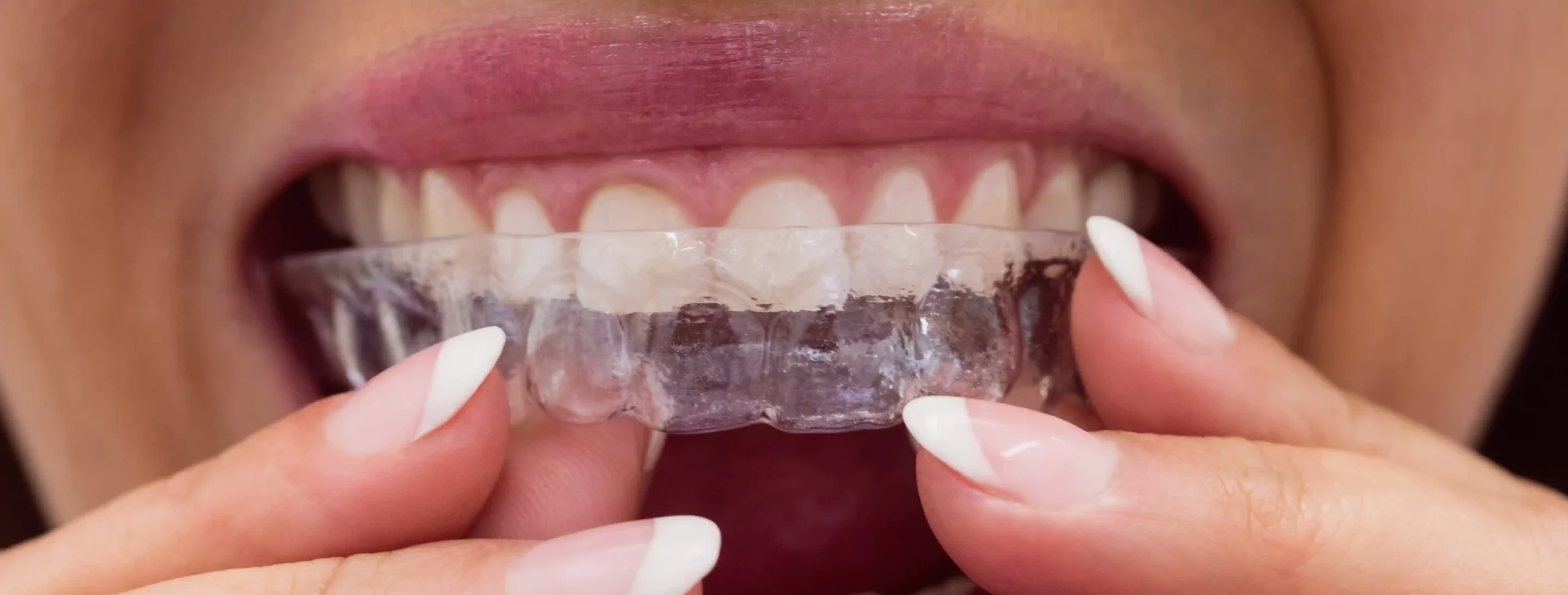
If you would like straighter teeth without a mouth full of metal, clear aligners may be worth a look. They are a discreet, removable way to correct mild to moderate alignment concerns, and they fit into everyday life more easily than fixed braces.
At Warner Dental we assess your teeth and bite, explain your options, and let you know whether clear aligners suit your case. Treatment is provided by dentists registered with the Dental Board of Australia. Suitability is confirmed at a consultation, and outcomes vary between patients.
Clear aligners are thin, transparent trays that fit snugly over your teeth. You wear a series of them, and each one is shaped slightly differently from the last.
Because they are see-through and removable, most people find them far less noticeable than braces, and easier to live with day to day.
Each aligner applies gentle, controlled pressure to move your teeth a small amount. You wear one set for a set period, then swap to the next in the series. Over time, that steady sequence guides your teeth into a straighter position.
A few practical points on how they fit into your day:
Consistent wear matters. Aligners only work while they are in your mouth, so the results depend a great deal on wearing them as instructed.
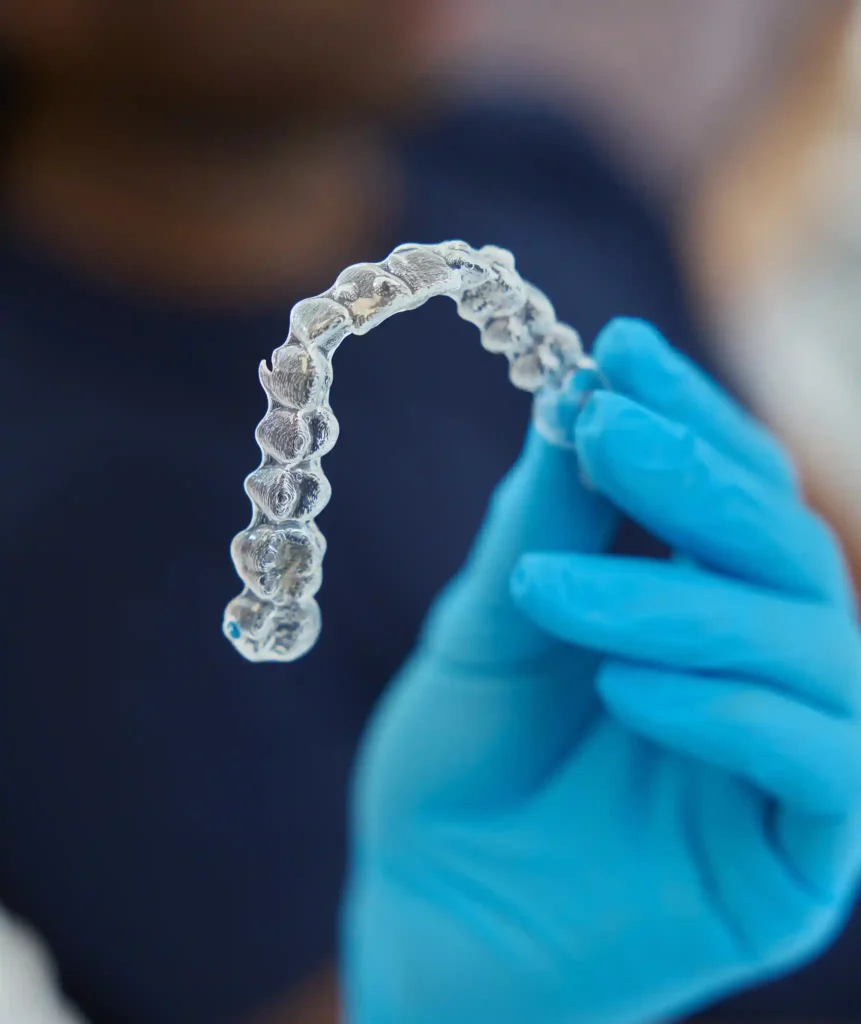
Clear aligners suit some concerns better than others. They may help with:
More complex bite or alignment problems often need fixed braces or care from a specialist orthodontist. This is exactly what a consultation is for. Your dentist checks whether aligners are a realistic option for your teeth, and refers you on if another approach would serve you better.
Both straighten teeth, and each has its place. Aligners are discreet and removable, while braces can handle a wider range of complex cases. The right choice comes down to your teeth, your lifestyle, and what you want to achieve.
Rather than repeat it all here, we have set out the full picture in a separate guide. If you are weighing up your options, compare aligners and braces before your consultation.
Here is what usually happens, step by step.
Your dentist checks your teeth, bite, and general oral health. You need healthy teeth and gums before any tooth movement begins, so anything that needs attention is dealt with first.
A digital scan captures the shape of your teeth. Planning software then maps out how your teeth are expected to move through treatment.
A series of aligners is made to your plan. Each set nudges your teeth a little closer to the target position.
You change aligners at the recommended intervals and come in for reviews. Treatment length varies from person to person, depending on how much movement is needed.
Once your teeth are in their new position, a retainer helps hold them there. Teeth can drift over time, so wearing a retainer as directed protects your result.
Clear aligners have real advantages, and a few trade-offs worth knowing.
Clear aligners are often a good fit for adults and older teenagers who want a discreet option and are happy to wear the trays consistently. They tend to suit people with mild to moderate concerns rather than complex cases.
The only way to know for certain is an assessment. If aligners are not the best route for you, your dentist will talk you through the alternatives, including other cosmetic options where they may be more appropriate.
There is no single price for clear aligner treatment. The cost depends on how much movement your teeth need, how long treatment runs, and the number of aligners involved. Your health fund cover also affects what you pay out of pocket.
After your assessment, you receive an itemised written treatment plan, so you can see what is included before deciding whether to go ahead.
Looking after your aligners keeps treatment on track and your mouth healthy.
Many people like to follow treatment with teeth whitening once their teeth are straight, though your dentist will advise on the right timing for you.
If you are thinking about straightening your teeth, an assessment is the best place to start. Our team can check your suitability and set out your options. If you are new to the practice, our new patients page explains what to expect. Book a consultation or call (07) 3882 3200.
This information is general in nature and does not replace personalised dental or medical advice.
Protect your smile with regular care at Warner Dental.
FAQs
Most people feel mild pressure or tightness for a day or two after starting a new set, which is a sign the aligners are working. It usually settles quickly. If an edge feels rough or an aligner causes ongoing discomfort, let your dentist know so it can be checked.
It varies from person to person, depending on how much your teeth need to move. Simpler cases finish faster than complex ones. Your dentist can give you a clearer estimate once your teeth have been assessed and the plan is mapped out.
You take your aligners out to eat, and to drink anything other than water. This protects the trays and keeps food from being trapped against your teeth. Brush before putting them back in where you can, so you are not sealing sugars and acids against the enamel.
Yes. Teeth can gradually drift back toward their old position, so a retainer holds your result in place. Your dentist will explain how often to wear it. Think of it as the step that protects the time and cost you have put into treatment.
They can suit older teenagers who have their adult teeth and are willing to wear the aligners consistently. Younger patients, or those with a still-developing bite, may be better suited to another approach. An assessment is the best way to tell.
Contact the practice as soon as you can. Depending on where you are in the series, your dentist may advise moving to the next set, going back to the previous one, or replacing the aligner. Try not to leave a gap in wear, as your teeth can shift.
Not usually. Many aligner cases are managed by a general dentist. If your case is complex, your dentist may recommend referral to a specialist orthodontist, and will explain why. Either way, you are pointed toward the option most likely to work for your teeth.
Many private health funds with orthodontic or major-dental extras contribute toward clear aligner treatment, but cover and annual limits vary. We provide an itemised treatment plan you can check against your policy or take to your fund for a quote before you commit.
Professional whitening treatments designed to reduce staining and improve tooth brightness using dentist-supervised whitening systems.
Custom-made porcelain or composite veneers placed on the front surface of teeth to improve colour, shape, alignment, and overall smile aesthetics.
Advanced digital planning technology that allows dentists to analyse facial features and tooth proportions to visualise potential cosmetic outcomes before treatment begins.
Removable orthodontic aligners designed to gradually straighten teeth and improve alignment with a discreet treatment option compared with traditional braces.