
For routine visits, emergencies, and general enquiries
Get Direction
Wisdom Teeth Removal
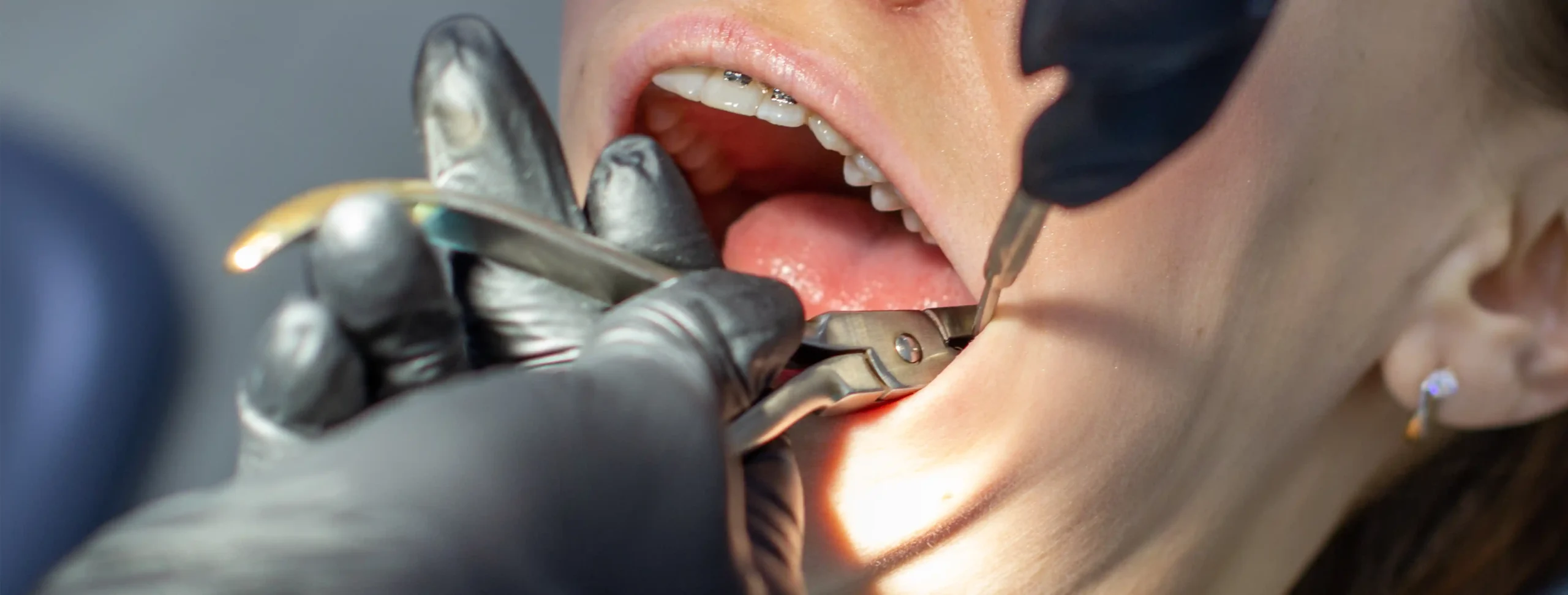
Wisdom teeth removal is recommended when third molars cause pain, infection, crowding, or damage to surrounding teeth. While some wisdom teeth erupt without issues, many become impacted or partially erupted due to limited space in the jaw.
At Warner Dental, we provide comprehensive assessment and management of wisdom teeth, including removal when clinically appropriate. If you are experiencing wisdom tooth pain, swelling, or repeated infections, early evaluation helps determine whether monitoring or removal is the best option.
Wisdom teeth do not always require extraction. Removal may be recommended when:
Digital X-rays help assess the position of the wisdom teeth and their relationship to nerves, sinuses, and adjacent teeth. Your dentist will discuss whether observation, ongoing monitoring, or wisdom teeth removal is the most appropriate course of action.
We begin with a clinical examination and digital imaging to assess:
Depending on complexity:
Your safety and comfort are prioritised at every stage.
Most patients return home the same day with detailed aftercare instructions.
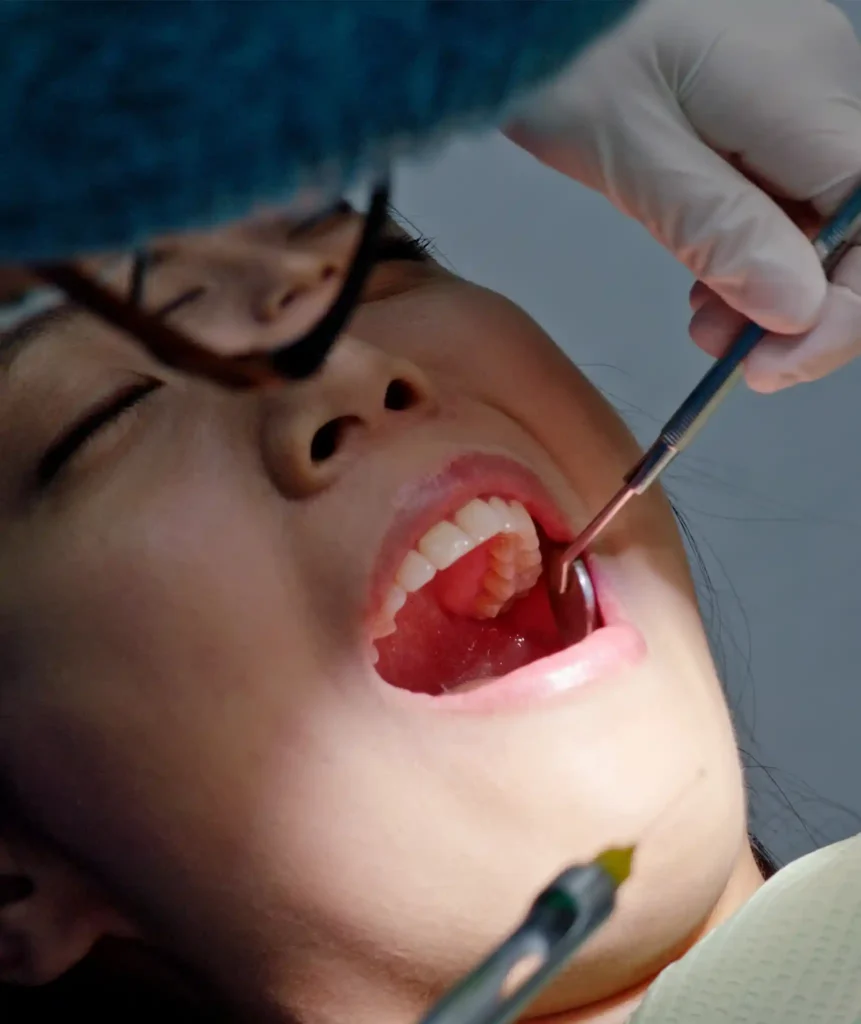
After wisdom teeth removal, mild swelling, discomfort, or bruising is common for several days.
To support extracted wisdom tooth healing:
Wisdom tooth pain relief may include prescribed or over-the-counter medication as advised. If pain increases several days after surgery rather than improving, contact us for review, as this may indicate dry socket.
Dry socket can occur when the protective blood clot at the extraction site becomes dislodged or dissolves prematurely.
Symptoms may include:
Management may involve:
Following post removal of wisdom tooth instructions carefully significantly reduces this risk.
Emergency wisdom tooth removal may be necessary if there is:
Prompt assessment reduces the risk of complications and protects your overall health.
If you experience these symptoms, contact our team immediately.
The cost to extract wisdom tooth depends on:
You will receive a clear treatment plan and fee estimate before proceeding.
Even if your wisdom teeth are not currently painful, early evaluation can help identify potential future problems.
In some cases, removing wisdom teeth earlier may mean:
Your dentist will advise whether monitoring or removal is appropriate for your situation.
If you are experiencing wisdom tooth pain, swelling, or repeated infections, book a consultation at Warner Dental. We will provide a clear assessment and discuss whether wisdom teeth removal is the right option for you.
Protect your smile with regular care at Warner Dental.
Wisdom teeth removal is not always necessary if the teeth are fully erupted, properly aligned, and easy to clean without causing pain or infection.
Some wisdom teeth remain healthy and functional throughout life. However, removal is often recommended if they become impacted, cause repeated infections, contribute to crowding, or are difficult to clean effectively. Clinical examination and digital imaging help determine whether monitoring or extraction is the most appropriate approach based on long-term risk and individual circumstances.
Book an assessment if you experience recurring pain or swelling.
Extracted wisdom tooth healing usually takes one to two weeks for gum tissue to close, although deeper bone healing continues gradually over several months.
Initial swelling and discomfort typically improve within the first few days. Most patients return to normal daily activities within a week, though surgical cases may take slightly longer. While the visible gum surface heals relatively quickly, the bone beneath continues to remodel for months. Following post removal of wisdom tooth instructions carefully supports stable healing and reduces complication risk.
Follow your aftercare instructions closely during the first week.
Wisdom tooth pain relief before removal may include anti-inflammatory medication, saltwater rinses, and avoiding chewing on the affected side.
These measures can reduce inflammation and temporarily ease discomfort, but they do not resolve underlying impaction or infection. Persistent wisdom tooth pain often indicates pressure, decay, or bacterial involvement around partially erupted teeth. If symptoms continue despite home care, clinical assessment is important to prevent worsening infection or complications.
Seek professional review if pain lasts more than a few days.
Emergency wisdom tooth removal may be required when severe swelling, spreading infection, fever, or difficulty swallowing develops.
These symptoms can indicate that infection has progressed beyond the immediate tooth area. Prompt treatment reduces the risk of complications and protects surrounding tissues. In some cases, antibiotics may be prescribed before or alongside removal. Delaying care may allow infection to worsen, potentially affecting overall health.
Contact your dentist immediately if swelling affects breathing or swallowing.
Most patients gradually return to normal eating within 7 to 10 days after wisdom teeth removal.
Soft foods are recommended for the first few days to protect the surgical site and support clot stability. Crunchy, spicy, or hard foods should only be reintroduced once discomfort subsides and healing progresses well. Premature chewing on the extraction site can delay healing or increase irritation.
Stick to soft foods for the first several days after surgery.
Assessment and management of inflamed or bleeding gums to prevent progression to advanced gum disease.
Removal of plaque and tartar from below the gumline to treat periodontitis and reduce infection.
Careful removal of teeth that are severely decayed, infected, or structurally compromised.
Assessment and removal of impacted or problematic wisdom teeth to prevent pain, infection, or crowding.