
For routine visits, emergencies, and general enquiries
Get Direction
Tooth Extraction
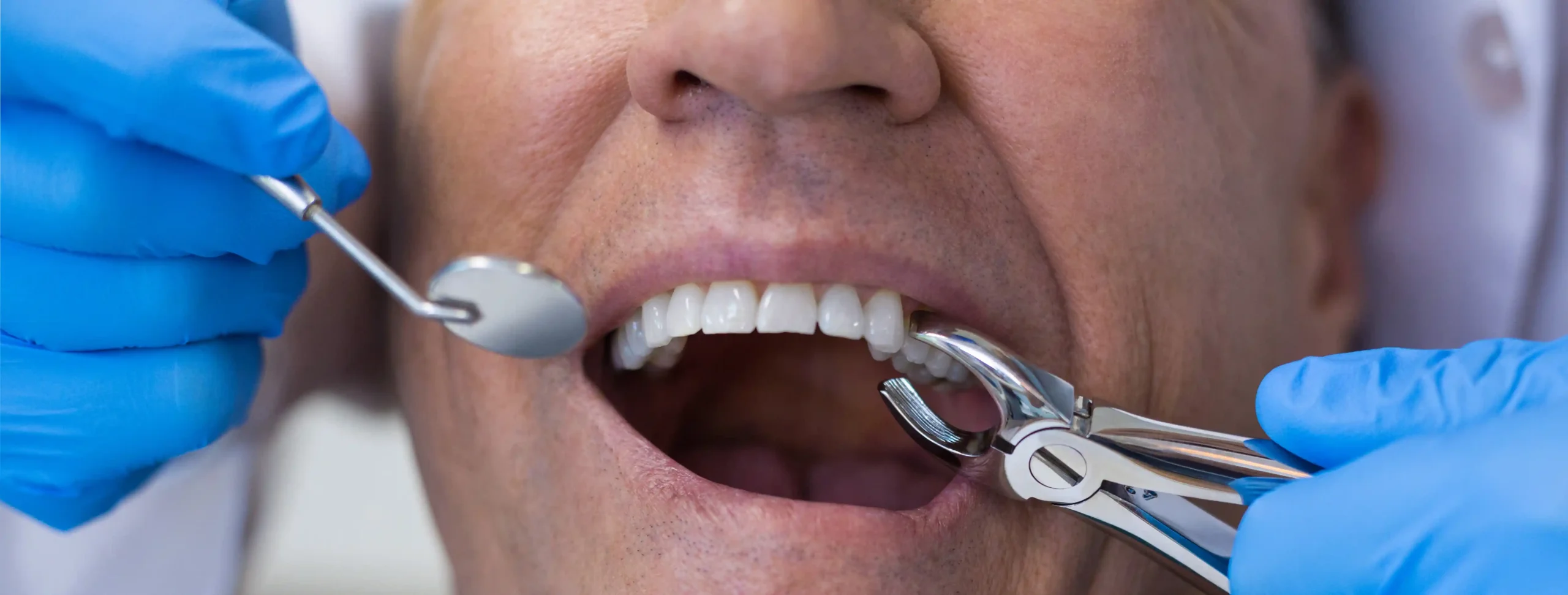
Tooth extraction is sometimes necessary when a tooth cannot be restored, or when removing it protects your overall oral health. Preserving natural teeth is always our first priority, but in certain situations extraction is the most appropriate option.
At Warner Dental in Warner and North Brisbane, extractions are carried out by dentists registered with the Dental Board of Australia, following Australian infection control and safety standards. Our approach focuses on careful assessment, informed consent, and structured aftercare to support your healing. Book a consultation or call (07) 3882 3200.
A tooth extraction may be considered when a clinical examination and X-rays show the tooth is no longer suitable to save. Common reasons include:
A diagnosis is confirmed through examination and digital imaging before any recommendation is made. Where a tooth can be saved, we will discuss options such as root canal treatment first.
A simple extraction is performed when the tooth is fully visible above the gumline. Local anaesthetic is used for your comfort, and the tooth is carefully removed with specialised instruments.
A surgical extraction is needed when a tooth is impacted, broken below the gumline, or otherwise complex to access. This may involve a small incision in the gum or removal of a minimal amount of surrounding bone to remove the tooth safely. Impacted wisdom teeth are a common example, and you can read more on our wisdom teeth removal page.
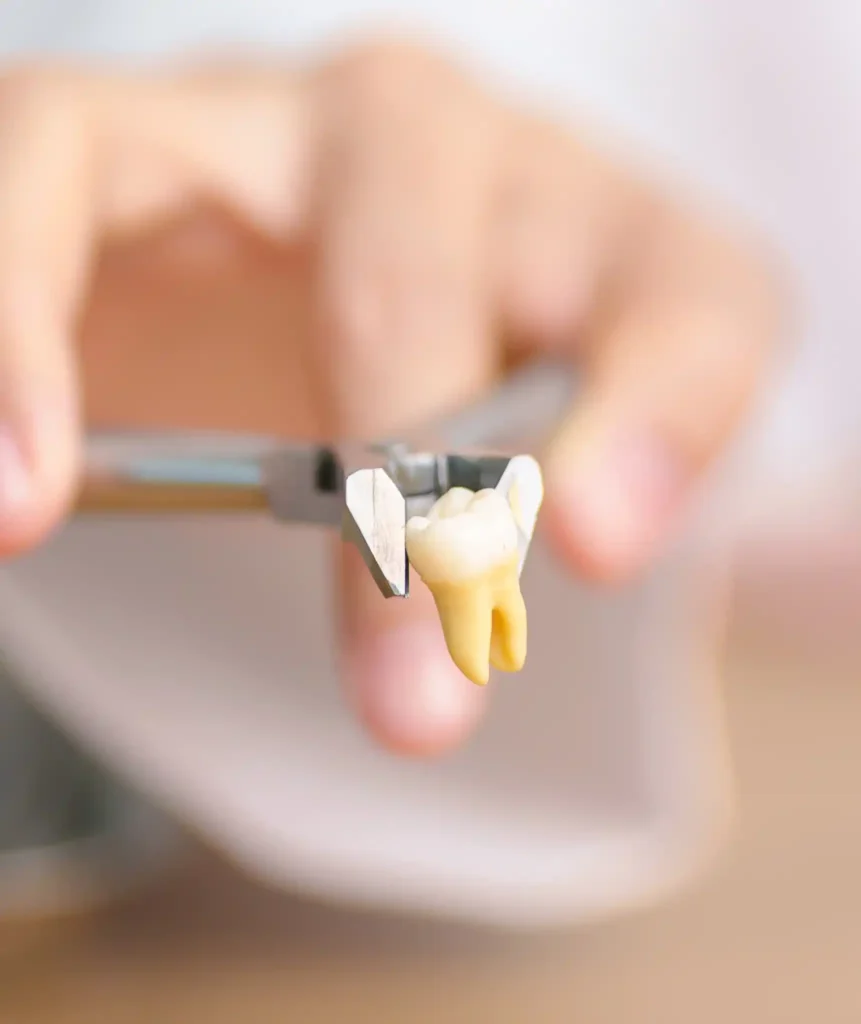
A thorough oral examination, digital X-rays to assess the roots and surrounding bone, and an evaluation of the risks and outlook for the tooth.
An assessment of any medical conditions, a review of medications such as blood thinners, and a discussion of anything that may affect healing.
Local anaesthetic is used for pain control, and sedation options may be discussed where clinically appropriate.
A careful technique is used to minimise trauma, along with management of bleeding and the formation of the blood clot.
Written and verbal aftercare instructions are provided, along with any follow-up arrangements if required.
As with all surgical procedures, tooth extraction carries potential risks, including:
Your dentist will explain these risks and answer questions prior to treatment.
Certain medical conditions and medications can affect healing or bleeding risk. These may include diabetes, heart disease, bleeding disorders, osteoporosis, immune conditions, blood-thinning medications, and steroids or chemotherapy. We review your full medical history before treatment and may liaise with your GP where necessary.
Good aftercare significantly reduces complications and supports healing.
Most patients recover within several days, though a surgical extraction may take longer.
During early healing, soft and easy-to-chew foods are best. Suitable options include:
Avoid hot, crunchy, or spicy foods for several days, as they can irritate the site.
After a tooth is removed, you may wish to discuss replacing it to maintain function and spacing. Depending on your situation, options can include dental implants or other tooth-replacement treatments. Your dentist can talk through what may suit you once the area has healed.
The cost of a tooth extraction varies depending on:
A personalised assessment allows for accurate planning and a clear fee discussion before treatment. You can also review our payment options.
If you have pain or infection, or you have been advised that a tooth may need to be removed, an early assessment helps determine the safest and most appropriate plan for your oral health. For urgent situations, see our emergency dentist in Warner page, or book a consultation or call (07) 3882 3200.
Protect your smile with regular care at Warner Dental.
FAQs
A tooth may need to be removed when it is too badly decayed, infected, fractured, or affected by gum disease to be saved, or when it is impacted, as often happens with wisdom teeth. Extraction is sometimes also part of preparing for orthodontic treatment. Your dentist will only recommend removal after examining the tooth and reviewing X-rays, and will discuss whether the tooth can be saved first.
The procedure itself is carried out under local anaesthetic, so the area is numb and you should not feel pain during the removal, though you may feel some pressure. Sedation may be available for more complex cases. Some discomfort, swelling, or tenderness is normal afterward and can usually be managed with the aftercare advice and any medication your dentist provides.
For the first day or so, avoid rinsing or spitting forcefully, drinking through a straw, smoking, and touching the extraction site, as these can dislodge the blood clot and lead to a dry socket. It is also best to avoid hot, hard, crunchy, or spicy foods for several days. Your dentist will give you specific instructions based on your treatment.
Soft, easy-to-chew foods are recommended in the early days, such as yoghurt, scrambled eggs, mashed vegetables, cooled soup, smoothies without a straw, and soft pasta or rice. Staying hydrated helps too. You can gradually return to a normal diet as the area heals and feels comfortable.
The gum usually begins to heal over within a week or two, though full healing of the bone underneath takes longer. Most people feel noticeably better within a few days, while a surgical extraction may take a little longer to settle. Following your aftercare instructions closely is the best way to support healing and reduce complications.
A dry socket happens when the blood clot that forms in the socket is lost or does not develop properly, leaving the area exposed and painful. You can reduce the risk by avoiding smoking, straws, and forceful rinsing or spitting in the first few days, and by following your aftercare advice. If you develop increasing pain a few days after the extraction, contact us so we can help.
You should get in touch if you have heavy or ongoing bleeding, severe or worsening pain, significant swelling, signs of infection such as fever or a bad taste, or if you think you may have a dry socket. Some discomfort and minor swelling are normal early on, but anything that seems to be getting worse rather than better is worth a call so we can check on your healing.
Assessment and management of inflamed or bleeding gums to prevent progression to advanced gum disease.
Removal of plaque and tartar from below the gumline to treat periodontitis and reduce infection.
Careful removal of teeth that are severely decayed, infected, or structurally compromised.
Assessment and removal of impacted or problematic wisdom teeth to prevent pain, infection, or crowding.