
For routine visits, emergencies, and general enquiries
Get Direction
Deep Dental Cleaning

Deep cleaning is a clinically established treatment used to manage gum disease and reduce bacterial infection beneath the gumline. When it is needed, it helps stabilise gum health and protect the bone that supports your teeth.
At Warner Dental in Warner and North Brisbane, this treatment is provided by dentists registered with the Dental Board of Australia, following current clinical guidelines and infection control standards. Our focus is accurate diagnosis, informed consent, and structured monitoring of your gum health. Book a consultation or call (07) 3882 3200.
Deep cleaning, also known as scaling and root planing, is a non-surgical periodontal procedure that removes bacterial deposits from below the gumline. It is different from a standard routine check-up and clean, which cleans above and around the gumline, because deep cleaning targets infection in deeper gum pockets.
The process generally involves:
Deep cleaning may be recommended when a gum health assessment identifies signs of active gum disease. Clinical indicators can include:
A diagnosis is confirmed through a clinical examination, gum pocket measurements, and digital X-rays where required. Early treatment improves the likelihood of stabilising gum health and preventing the condition from progressing.
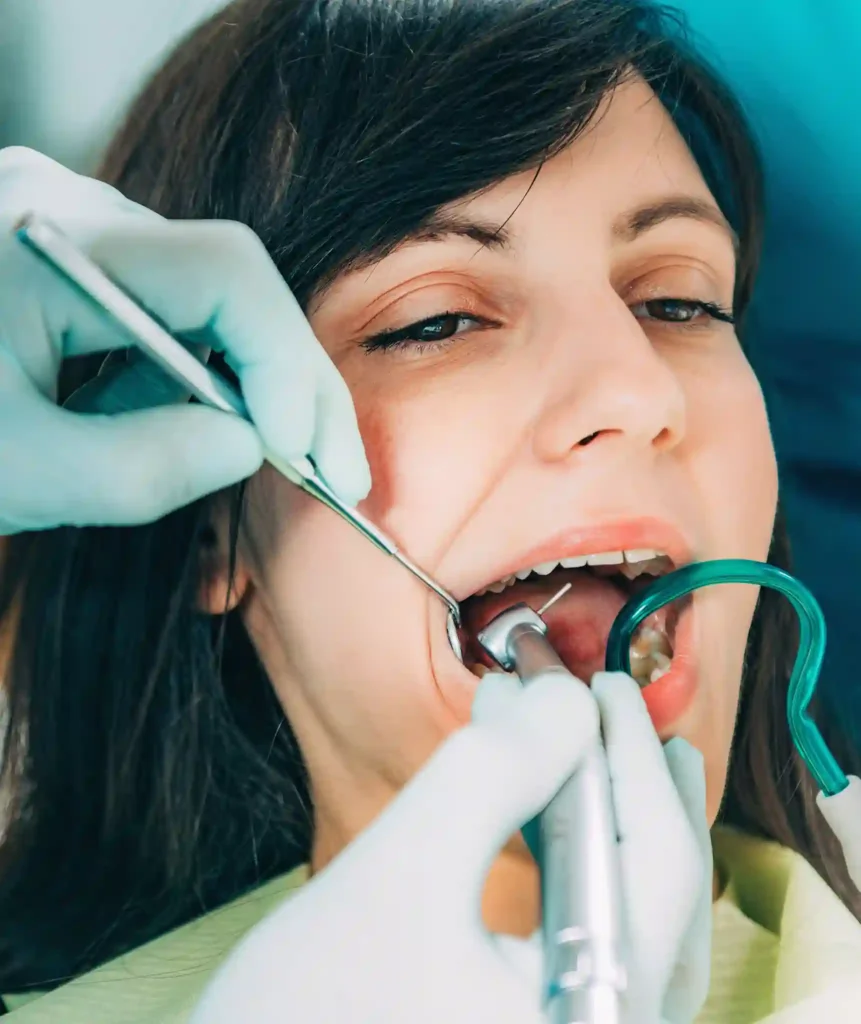
Gum pocket depths are measured around each tooth, bleeding points are assessed, and bone levels are evaluated with imaging if required.
Ultrasonic and hand instruments are used to remove hardened plaque and calculus from above and below the gumline.
The root surfaces are smoothed to reduce where bacteria can gather and to help the gum reattach.
Local anaesthetic may be used where needed to keep you comfortable during treatment.
A follow-up appointment monitors healing and adjusts your ongoing care.
Depending on the severity, treatment may be completed in one visit or across several.
If periodontal infection is left untreated, it may lead to:
Deep cleaning does not permanently cure gum disease, but it can significantly reduce infection levels and help stabilise the condition when combined with good home care and regular maintenance. More advanced cases may need periodontal and surgical care, and in some situations a badly affected tooth may require tooth extraction.
If you are researching the cost of a deep clean, fees usually vary depending on:
A personalised consultation allows for accurate diagnosis and a clear fee discussion before treatment. Early-stage gum disease is generally more straightforward and less costly to manage than advanced periodontitis. You can also review our payment options.
As with any dental procedure, deep cleaning carries some potential risks, including:
Your dentist will explain the risks, benefits, and any alternatives before obtaining your informed consent.
Before treatment, we:
Patient safety and evidence-based care remain priorities at every stage.
To support healing and protect your gums over time:
Long-term success depends heavily on ongoing maintenance and regular monitoring.
If you have bleeding gums, gum recession, or persistent inflammation, an early assessment can help stabilise your gum health and identify the most appropriate treatment. Book a consultation or call (07) 3882 3200.
Protect your smile with regular care at Warner Dental.
FAQs
A regular clean removes plaque and tartar from around and just below the gumline and is part of routine preventive care. A deep clean, or scaling and root planing, goes deeper into the gum pockets to remove bacterial deposits where gum disease is active. Your dentist recommends a deep clean only when an assessment shows it is clinically needed, not as a routine measure.
Most patients tolerate the treatment well, and local anaesthetic can be used to keep you comfortable, especially where pockets are deeper or the roots are sensitive. Some soreness, sensitivity, or mild bleeding is normal for a short time afterward. Your dentist will talk through what to expect for your particular situation.
A deep clean does not permanently cure gum disease, but it can reduce infection and help stabilise the condition so it does not progress as quickly. Whether recession can be halted depends on how advanced the disease is and how well it is maintained afterward. Ongoing home care and regular reviews are essential to keeping the result stable.
This depends on the severity and how many teeth are affected. Milder cases may be completed in a single visit, while more advanced gum disease is often treated across two or more appointments, sometimes by quadrant of the mouth. Your dentist will outline the plan after assessing your gums.
There is no single price, because it depends on the number of teeth involved, the severity of the disease, whether anaesthetic is used, and the follow-up needed. We provide a clear, itemised estimate after your assessment so you understand the cost before starting. Treating gum disease early is generally simpler and less costly than treating advanced disease later.
After treatment, your gums need time to heal, and you may be advised to keep up careful brushing and cleaning between the teeth. We schedule periodontal reviews to check how the gums are responding and to carry out maintenance cleans. Keeping these appointments and maintaining good home care are the most important factors in a lasting result.
Services
Assessment and management of inflamed or bleeding gums to prevent progression to advanced gum disease.
Removal of plaque and tartar from below the gumline to treat periodontitis and reduce infection.
Careful removal of teeth that are severely decayed, infected, or structurally compromised.
Assessment and removal of impacted or problematic wisdom teeth to prevent pain, infection, or crowding.