
For routine visits, emergencies, and general enquiries
Get Direction
Dental Bridges
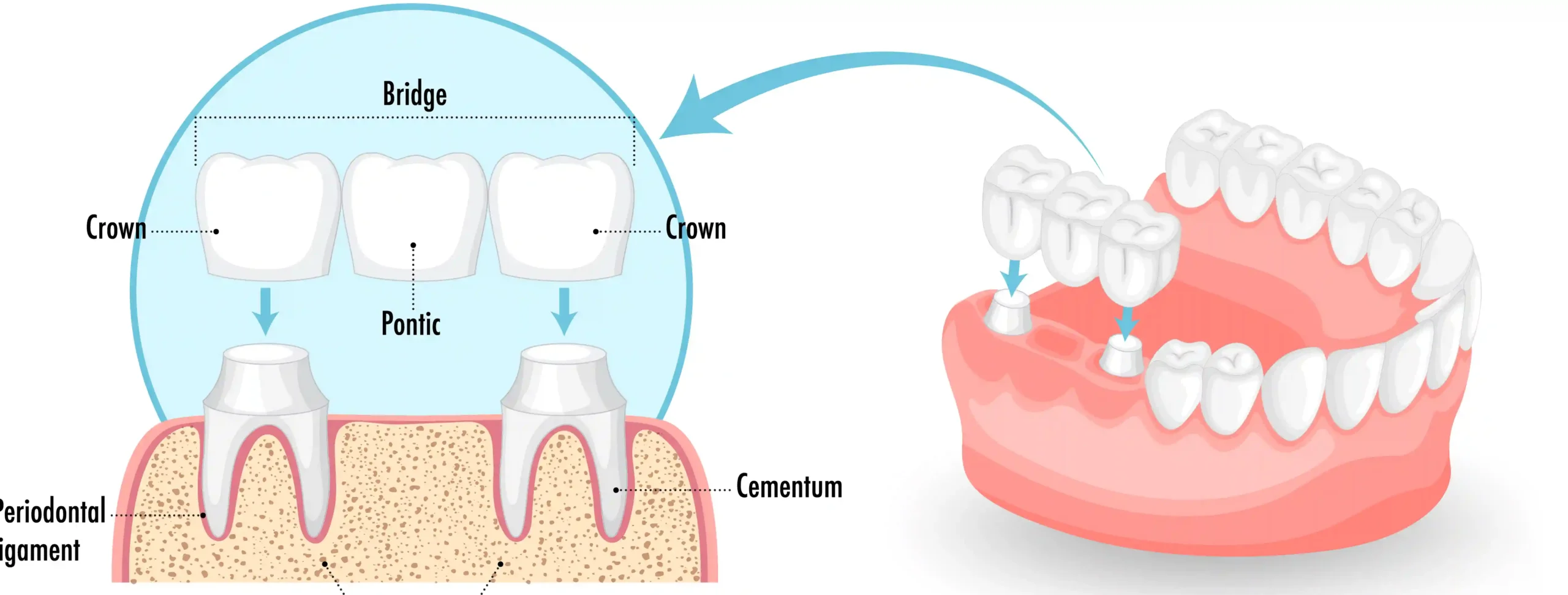
Dental bridges are a restorative treatment used to replace one or more missing teeth. A bridge works by anchoring an artificial tooth to the adjacent natural teeth, restoring appearance and chewing function.
At Warner Dental, dental bridges are provided by registered dentists using modern digital planning and high-quality ceramic materials to support strength, comfort, and natural aesthetics.
A dental bridge is a fixed restoration designed to fill the gap created by missing teeth. The artificial tooth (pontic) is supported by neighbouring teeth that are prepared to hold the bridge securely in place.
Bridges may be recommended if you:
Suitability depends on the health of the supporting teeth and gums.
Anchored to crowns placed on neighbouring teeth.
Supported on one adjacent tooth in selected cases.
Anchored to dental implants rather than natural teeth.
Your dentist will explain which option is clinically appropriate.
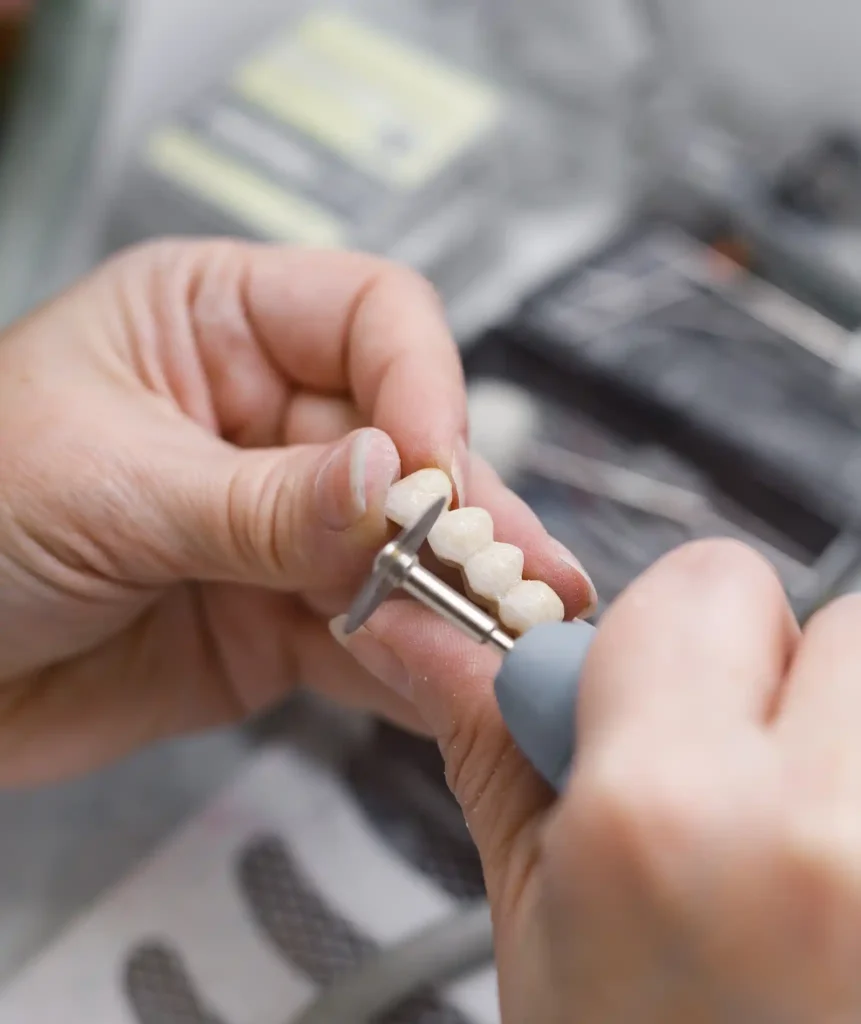
If a bridge is recommended, the dental bridge procedure typically involves:
Treatment usually requires two to three visits.
When clinically appropriate, dental bridges may:
Longevity depends on oral hygiene, bite forces, and regular maintenance.
As with all restorative procedures, dental bridges carry potential risks, including:
All risks and alternatives are discussed before treatment begins.
To maintain your bridge:
Good oral hygiene is essential to protect supporting teeth.
We focus on restoring function while preserving long-term oral health.
If you have one or more missing teeth, early assessment can help determine whether a dental bridge is the most appropriate fixed replacement option for your oral health needs.
Protect your smile with regular care at Warner Dental.
With good oral hygiene and regular dental visits, dental bridges can last 10–15 years or longer, depending on the health of supporting teeth, bite forces, and daily maintenance habits.
The longevity of a fixed dental bridge depends heavily on the strength and health of the supporting teeth. Poor oral hygiene may lead to decay or gum disease, compromising the bridge. Grinding or clenching may also reduce lifespan. Regular professional review helps identify early issues and extend durability.
Clean carefully around supporting teeth to protect your bridge.
Dental bridge preparation is performed under local anaesthesia, and most patients experience minimal discomfort during the procedure.
Some temporary sensitivity may occur after tooth preparation, particularly to temperature changes. This typically settles within a few days. Your dentist will explain what to expect and provide advice if discomfort persists.
Avoid chewing on the temporary bridge until your final restoration is placed.
Cleaning under a dental bridge requires floss threaders, interdental brushes, or specialised cleaning tools to remove plaque beneath the artificial tooth.
Because a fixed bridge cannot be removed, plaque may accumulate underneath if not cleaned properly. Your dentist or hygienist will demonstrate techniques tailored to your bridge design. Proper cleaning reduces the risk of decay in supporting teeth and gum inflammation.
Ask your dental team to demonstrate correct cleaning techniques.
Both bridges and implants are effective options for replacing missing teeth, and the most suitable choice depends on your oral health, bone levels, preferences, and treatment goals.
A bridge relies on adjacent teeth for support and is usually completed in fewer visits. An implant replaces the missing tooth root but requires surgery and healing time. Each option has advantages and limitations. A thorough consultation helps determine which approach is clinically appropriate.
Discuss long-term maintenance and prognosis before choosing.
Yes, ceramic dental bridges are shade-matched to blend with surrounding teeth for a natural appearance.
Materials such as porcelain and zirconia are designed to replicate natural translucency and colour. Final appearance depends on gum health, tooth alignment, and surrounding restorations. Results vary between individuals.
Discuss aesthetic expectations during planning.
If a dental bridge becomes loose, damaged, or compromised, it may require repair, replacement, or alternative treatment depending on the condition of supporting teeth.
Failure may result from decay in supporting teeth, cement breakdown, or structural fracture. Early detection often allows simpler intervention. In some cases, implants or other restorative options may be considered.
Seek prompt review if you notice looseness or discomfort.
Thorough examination, professional clean, and fluoride application to maintain healthy teeth and gums.
Protective coatings applied to back teeth to reduce the risk of decay.
Custom-fitted appliances for sports protection and management of teeth grinding (bruxism).
Compassionate, patient-focused care for those who feel nervous about dental treatment.
Clear, detailed assessments to help you make informed decisions about your dental health.
Assessment and treatment of enamel wear caused by grinding, acid erosion, or ageing.
Saving infected or damaged teeth by removing infection and restoring strength.
Natural-looking restorations to repair cavities and protect tooth structure.
Custom-made restorations to strengthen and protect weakened teeth.
Replacing missing teeth to restore function and maintain alignment.
Removable options to replace multiple or all missing teeth and improve chewing ability.