
For routine visits, emergencies, and general enquiries
Get Direction
General Dentistry

If you have been told you need a root canal, you likely have two questions. Can this tooth be saved? And will it hurt? This page answers both in plain language, so you know what to expect.
A root canal clears infection from inside a tooth. That lets you keep your natural tooth instead of having it pulled out. At Warner Dental it is carried out by dentists registered with the Dental Board of Australia, following current clinical guidelines and infection control standards. Outcomes vary between patients, and this page is general information, not a diagnosis.
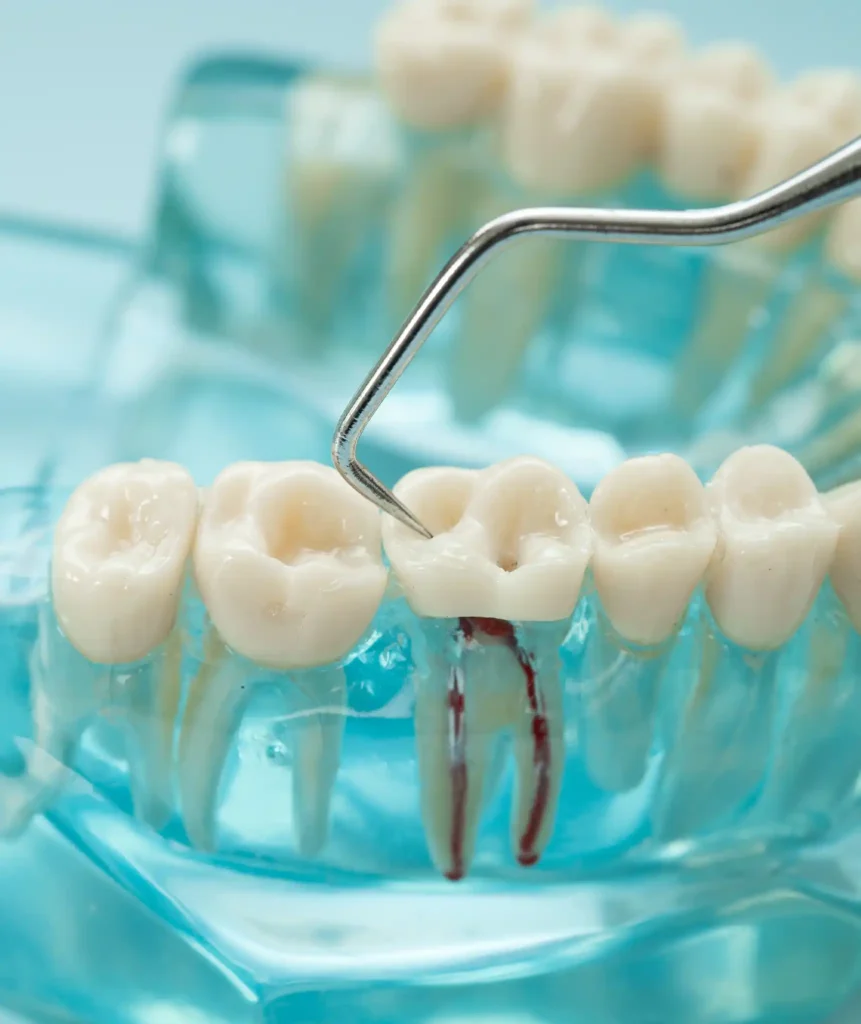
Inside every tooth is a soft core called the pulp. It holds the nerve and the blood supply. When deep decay, a crack, or an injury lets bacteria reach the pulp, it can become infected. That infection is what causes the pain.
Root canal treatment, also called root canal therapy, fixes this. In simple terms, it involves:
The goal is straightforward. Clear the infection, and keep your natural tooth in place.
A dentist confirms whether you need a root canal with an examination and X-rays. Symptoms alone are not enough. Even so, these are the signs that bring most people in:
Some infected teeth cause little or no pain. They only show up on an X-ray. If you have ongoing persistent tooth pain or a dental abscess, it is worth getting checked sooner rather than later.
This is the fear that stops many people booking, so here is an honest answer. The pain you dread is usually the infection, not the treatment.
The tooth is numbed with local anaesthetic first. Most people say the appointment feels much like having a filling. It is normal for the tooth and gum to feel tender for a few days afterwards, and ordinary pain relief usually handles it. Modern anaesthesia and techniques have made the procedure far more comfortable than its old reputation suggests. This overview of modern root canal treatment explains how.
You go through everything with your dentist first, including the risks, benefits, and alternatives, before anything begins.
A clinical examination and digital X-rays confirm whether the tooth can be saved and what the treatment involves.
The tooth is numbed with local anaesthetic. A thin protective sheet, called a rubber dam, keeps the area clean and dry.
The infected pulp is removed. The canals are then cleaned, shaped, and disinfected.
The clean canals are filled and sealed. A temporary or permanent filling goes on top.
A treated tooth can become brittle. For that reason, a dental crown is often recommended to protect it and restore full strength.
Most root canals are finished in one or two appointments. Each visit usually lasts about 60 to 90 minutes. How long yours takes depends on:
Your dentist can give you a clearer idea once the tooth has been assessed.
When a tooth is badly infected, you have two main paths. Save it with a root canal, or remove it with a tooth extraction. Neither is automatically right for everyone.
Keeping your natural tooth usually preserves your normal bite. It also avoids the gap that extraction leaves behind, which may later need a bridge or an implant. Extraction can be the more sensible choice when a tooth is too damaged to restore. The right option depends on how much healthy tooth remains, the prognosis, your general health, and your own preference. Your dentist will walk you through both, along with the costs and risks of each, before you decide.
If you have been told you need a root canal and you feel unsure, asking for a second opinion is completely reasonable. Dentists see these requests often. A fresh assessment can confirm the diagnosis, clarify whether the tooth can be saved, and set out your options clearly.
You are welcome to book a second opinion with us. That applies whether the first advice came from another practice, or you simply want more clarity before going ahead.
There is no single price for a root canal. The cost depends on the tooth involved, the number of canals, how complex the infection is, and whether a crown is needed afterwards. Your health fund cover also affects what you pay out of pocket.
After your assessment, you receive an itemised written treatment plan. You can see each part of the cost before you decide whether to go ahead.
Like any dental procedure, root canal treatment carries some risks. Your dentist explains these before asking for your consent. They may include:
A few simple habits support healing. Avoid heavy chewing on the tooth until the final restoration is placed. Keep up daily brushing and flossing. Return for any review appointments. If swelling or ongoing pain develops afterwards, contact the practice for assessment.
If you have tooth pain, swelling, or a tooth you are trying to save, an early assessment helps identify the problem and set out your options. Book a consultation or call (07) 3882 3200.
This information is general in nature and does not replace personalised dental or medical advice.
Protect your smile with regular care at Warner Dental.
FAQs
Antibiotics can sometimes settle swelling for a short while, but they do not reach the infected tissue trapped inside the tooth. That means they are not a cure on their own. Once the infection is inside the canal, it usually has to be physically removed, and the space cleaned and sealed. Your dentist will advise whether antibiotics have any role in your case.
An untreated infection does not clear on its own. It tends to get worse over time. It can lead to more pain, an abscess, swelling that spreads, and damage to the surrounding bone, and you may eventually lose the tooth. An early assessment gives you more options and usually a simpler outcome.
Many treated teeth last for years, and some last a lifetime. This is most likely when the tooth is properly restored, often with a crown, and cared for with good daily hygiene and regular check-ups. Longevity varies from person to person and depends on how much healthy tooth remains.
It can, though this is not common. If infection returns or does not fully clear, the options include retreatment, a minor procedure at the root tip, or extraction. Regular reviews help catch any problem early, while it is still easier to manage.
Claims that root canals cause cancer or other whole-body illnesses circulate online, but current scientific evidence does not support them. These claims trace back to discredited research from around a century ago. Leaving a dental infection untreated poses a greater risk to your health than having it properly treated.
Sometimes, yes. Straightforward cases may be finished in one appointment. Teeth with more canals or a stubborn infection are often treated across two visits, which allows proper cleaning and healing. Your dentist will tell you what suits your tooth after the assessment.
The tooth is numbed with local anaesthetic, not a general anaesthetic. So most people drive themselves home and return to normal activities the same day. You may prefer to wait for the numbness to wear off before eating, and to take it easy if the tooth feels tender.
Many private health funds with extras cover contribute toward root canal treatment. The amount varies with your fund, your level of cover, and any annual limits. We provide an itemised treatment plan, so you can check it against your policy or take it to your fund for a quote before you commit.
Thorough examination, professional clean, and fluoride application to maintain healthy teeth and gums.
Protective coatings applied to back teeth to reduce the risk of decay.
Custom-fitted appliances for sports protection and management of teeth grinding (bruxism).
Compassionate, patient-focused care for those who feel nervous about dental treatment.
Clear, detailed assessments to help you make informed decisions about your dental health.
Assessment and treatment of enamel wear caused by grinding, acid erosion, or ageing.
Saving infected or damaged teeth by removing infection and restoring strength.
Natural-looking restorations to repair cavities and protect tooth structure.
Custom-made restorations to strengthen and protect weakened teeth.
Replacing missing teeth to restore function and maintain alignment.
Removable options to replace multiple or all missing teeth and improve chewing ability.