
For routine visits, emergencies, and general enquiries
Get Direction
Dry Socket Treatment

After a tooth extraction, some discomfort is normal. However, in certain cases, patients may develop dry socket, a post-extraction complication that can cause significant pain and delayed healing.
At Warner Dental, we provide early assessment and evidence-based dry socket treatment to relieve discomfort and support proper recovery.
If you are wondering what dry socket is, it occurs when the protective blood clot that forms after a tooth extraction:
Without this clot, the underlying bone and nerves are exposed, leading to pain and slower healing.
Understanding what causes dry socket can help reduce risk. Common contributing factors include:
Following post-operative instructions significantly reduces risk.
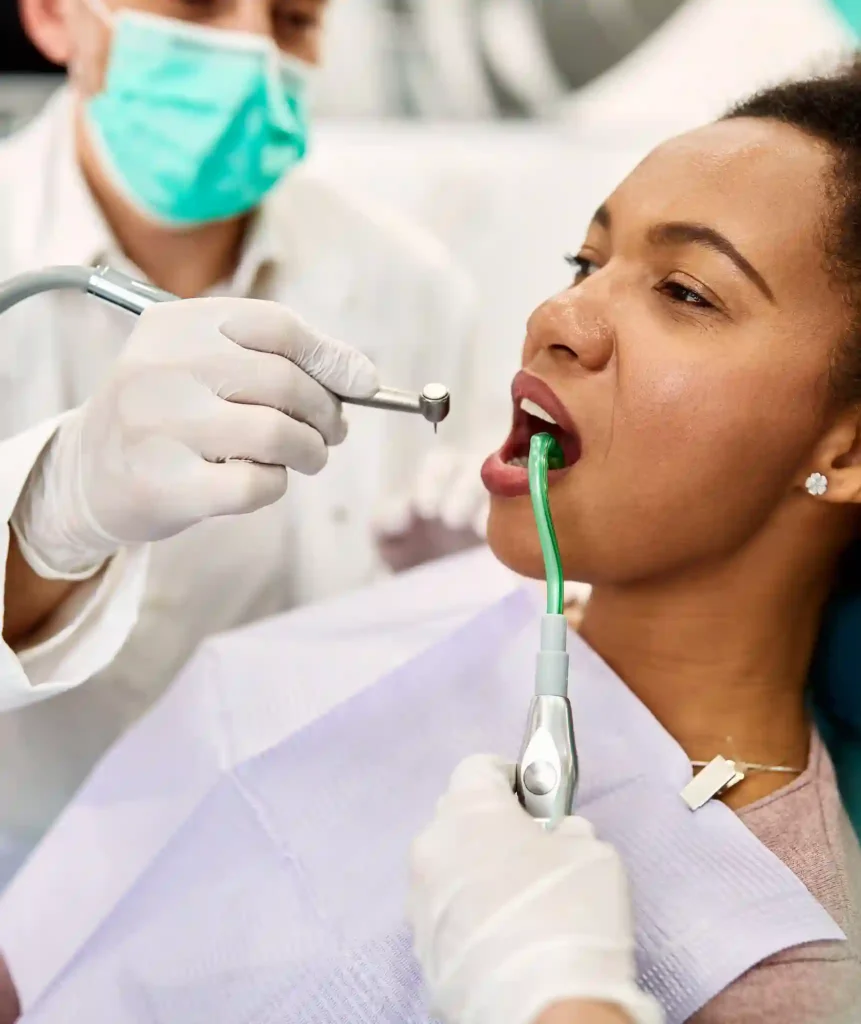
Dry socket signs and symptoms typically appear 2–5 days after extraction and may include:
Pain often feels more intense than expected for normal healing.
If you suspect a dry socket, prompt care helps relieve discomfort. Treatment may include:
Gently cleaning the area to remove debris and bacteria.
Placement of medicated dressing to soothe exposed bone.
Appropriate analgesic and anti-inflammatory guidance.
Review appointments to assess healing progress.
Most patients notice improvement once professional treatment begins.
Healing time varies between individuals. With appropriate care, symptoms often improve within several days, though full tissue healing may take longer.
Early intervention generally shortens discomfort duration.
Preventive strategies include:
Prevention significantly lowers complication risk.
We are located at Marketplace Warner, Brisbane, and provide post-extraction support and complication management.
If you are experiencing unusual pain after a tooth removal, contact Warner Dental for assessment and care.
📞 Call our team today to arrange an appointment.
This information is general in nature and is not a substitute for professional dental advice.
Outcomes vary between patients, and all treatments carry risks and possible complications.
Protect your smile with regular care at Warner Dental.
You may have dry socket if pain increases several days after extraction, especially if it radiates to your ear or jaw and the socket appears empty without a visible clot.
Normal extraction discomfort typically improves after 48 hours. With dry socket, pain often intensifies instead. You may notice a foul taste or odour, and the extraction site may appear hollow. Because symptoms can overlap with infection, professional evaluation is recommended.
Contact your dentist if pain worsens rather than improves after extraction.
Dry socket prevention involves protecting the blood clot by avoiding smoking, straws, and vigorous rinsing during the first few days after extraction.
The blood clot acts as a natural protective barrier. Disrupting it exposes bone and nerves. Following your dentist’s aftercare instructions, maintaining gentle hygiene, and avoiding negative pressure in the mouth significantly reduce risk.
Carefully follow all post-extraction instructions provided by your dentist.
Dry socket pain often improves within several days after treatment, though complete healing of the socket may take one to two weeks.
With proper dry socket treatment, discomfort typically reduces quickly. Healing time depends on individual factors such as overall health, extraction complexity, and oral hygiene. Follow-up appointments help ensure recovery progresses appropriately.
Attend any recommended review appointments to monitor healing.
Dry socket itself is not always an infection, but it involves loss of the protective clot, which may allow bacteria to irritate exposed bone.
While bacterial involvement may contribute, dry socket primarily results from clot disruption. In some cases, secondary infection may occur. Professional evaluation ensures appropriate management.
Seek dental advice if you notice swelling or fever.
Dry socket can eventually heal naturally, but professional care often reduces pain and supports faster, more comfortable recovery.
Without treatment, healing may take longer and discomfort can persist. Dental irrigation and medicated dressings help protect exposed tissue and ease symptoms while healing progresses.
Do not wait in severe pain, professional care can provide relief.
Prompt assessment and treatment to relieve discomfort and address the underlying cause.
Repairing damaged teeth to restore function and protect against further problems.
Fast adjustments or repairs to restore comfort and usability.
Urgent care for injuries caused by accidents, sports, or unexpected impacts.
Immediate treatment of infection to relieve pain and prevent complications.
Replacing or repairing restorations to protect exposed teeth.
Identifying and managing the cause of sudden or ongoing tooth sensitivity.
Gentle treatment to relieve pain and support proper healing after extraction.
Assessment of persistent sores and thorough screening for early detection of oral abnormalities.