
For routine visits, emergencies, and general enquiries
Get Direction
Sensitive Teeth Treatment

Do you experience sharp pain when drinking cold water or enjoying hot coffee? Sensitive teeth are a common dental concern, but they are often manageable with the right care.
At Warner Dental, we focus on identifying the underlying cause of tooth sensitivity and providing personalised, evidence-based sensitive teeth treatment to improve comfort and protect long-term oral health.
Sensitive teeth occur when the protective enamel layer becomes worn or when gums recede, exposing the dentine beneath. Dentine contains microscopic tubules that connect to the nerve, allowing temperature or pressure changes to trigger pain.
Common triggers include:
Sensitivity can range from mild discomfort to sharp, sudden pain.
Understanding the sensitive teeth causes is essential for proper treatment.
Common reasons for sensitive teeth include:
Identifying the exact cause ensures appropriate care.
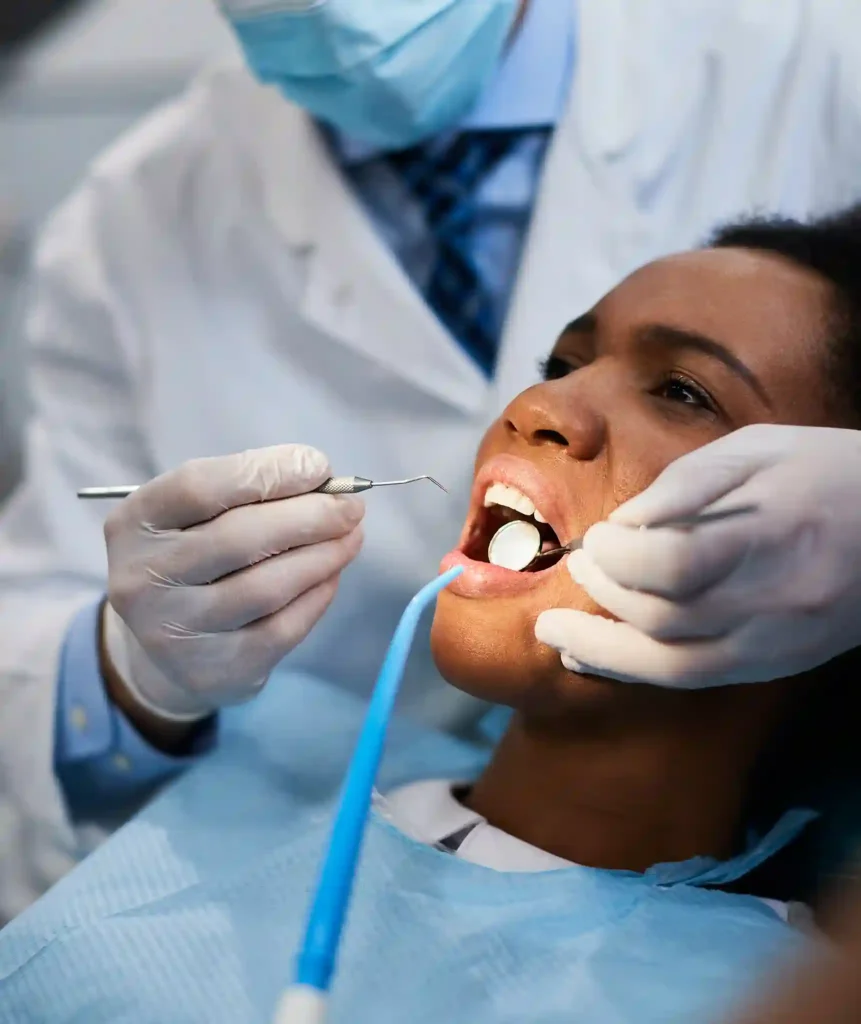
If you’re wondering how to reduce teeth sensitivity, the first step is professional assessment.
At-home strategies may include:
However, persistent symptoms require professional evaluation to rule out underlying structural problems.
Our approach to how to treat sensitive teeth depends on the cause.
Treatment options may include:
Specialised toothpaste helps block nerve signals and reduce discomfort over time.
Professional fluoride strengthens enamel and reduces sensitivity.
These protect exposed dentine or root surfaces.
If recession is present, periodontal therapy may be required.
Custom appliances help protect enamel in patients who grind their teeth.
If sensitivity is caused by structural issues, fillings or crowns may be recommended.
Each treatment plan is tailored to your individual needs.
Ignoring sensitivity can lead to:
Early assessment helps prevent complications and supports long-term oral health.
Located at Marketplace Warner, Brisbane, we provide comprehensive care for patients experiencing sensitive teeth.
Sensitive teeth can affect your quality of life, but effective treatment is available.
📞 Call Warner Dental today or book online for personalised assessment and care.
Outcomes vary between patients, and all treatments carry risks and possible complications.
Protect your smile with regular care at Warner Dental.
The main reasons for sensitive teeth include worn enamel, receding gums, tooth decay, cracked teeth, grinding, or worn dental restorations that expose dentine and nerve endings.
When enamel thins or gums recede, the underlying dentine becomes exposed. Dentine contains tiny tubules that transmit temperature changes directly to the nerve, causing discomfort. Sensitivity may also result from structural damage or temporary irritation after dental treatment.
Book an assessment if sensitivity persists beyond a few days.
Sensitive teeth treatment depends on the underlying cause and may include desensitising toothpaste, fluoride application, dental bonding, gum therapy, or treatment of decay or cracks.
While many patients try over-the-counter products, lasting relief requires identifying the source of sensitivity. Professional evaluation helps determine whether enamel wear, gum recession, or structural damage is responsible. Treatment is tailored accordingly.
Avoid self-diagnosing and seek professional advice for persistent symptoms.
You can reduce teeth sensitivity at home by using desensitising toothpaste, brushing gently with a soft toothbrush, and limiting acidic foods and beverages.
Home measures may help manage mild sensitivity but do not address structural causes. Consistent use of desensitising toothpaste can gradually reduce nerve response. However, worsening or persistent pain should be professionally assessed.
If home strategies fail after two weeks, schedule a dental visit.
Tooth sensitivity is not always permanent. In many cases, it can be reduced or managed with appropriate treatment and preventive care.
Temporary sensitivity may occur after whitening or restorative treatment. Ongoing sensitivity linked to enamel loss or gum recession can often be controlled with targeted dental care. Early intervention improves outcomes.
Do not ignore recurring sensitivity, early treatment prevents progression.
You should see a dentist if sensitivity is severe, worsening, or persistent, especially if it interferes with eating, drinking, or brushing.
Persistent pain may indicate decay, cracks, or gum disease. Professional assessment helps identify the cause and prevent more serious complications. Digital imaging may be required for accurate diagnosis.
Seek professional care if sensitivity affects your daily comfort.
Prompt assessment and treatment to relieve discomfort and address the underlying cause.
Repairing damaged teeth to restore function and protect against further problems.
Fast adjustments or repairs to restore comfort and usability.
Urgent care for injuries caused by accidents, sports, or unexpected impacts.
Immediate treatment of infection to relieve pain and prevent complications.
Replacing or repairing restorations to protect exposed teeth.
Identifying and managing the cause of sudden or ongoing tooth sensitivity.
Gentle treatment to relieve pain and support proper healing after extraction.
Assessment of persistent sores and thorough screening for early detection of oral abnormalities.