
For routine visits, emergencies, and general enquiries
Get Direction
Dental Abscess

A dental abscess is a serious oral infection that develops when bacteria enter the inner pulp (nerve) of a tooth or surrounding gum tissue. This infection can lead to pus formation, swelling, severe pain, and systemic illness.
At Warner Dental, we treat dental abscesses as urgent cases and aim to provide same-day appointments (subject to availability) to relieve pain and control infection safely.
If you are wondering what is a dental abscess, it is a localised collection of pus caused by bacterial infection inside the tooth or gum.
Abscesses may occur:
Without treatment, infection may spread to the jaw, face, or other parts of the body.
Understanding what causes dental abscess formation helps prevent recurrence.
Common causes include:
Early treatment of decay and gum disease significantly reduces risk.
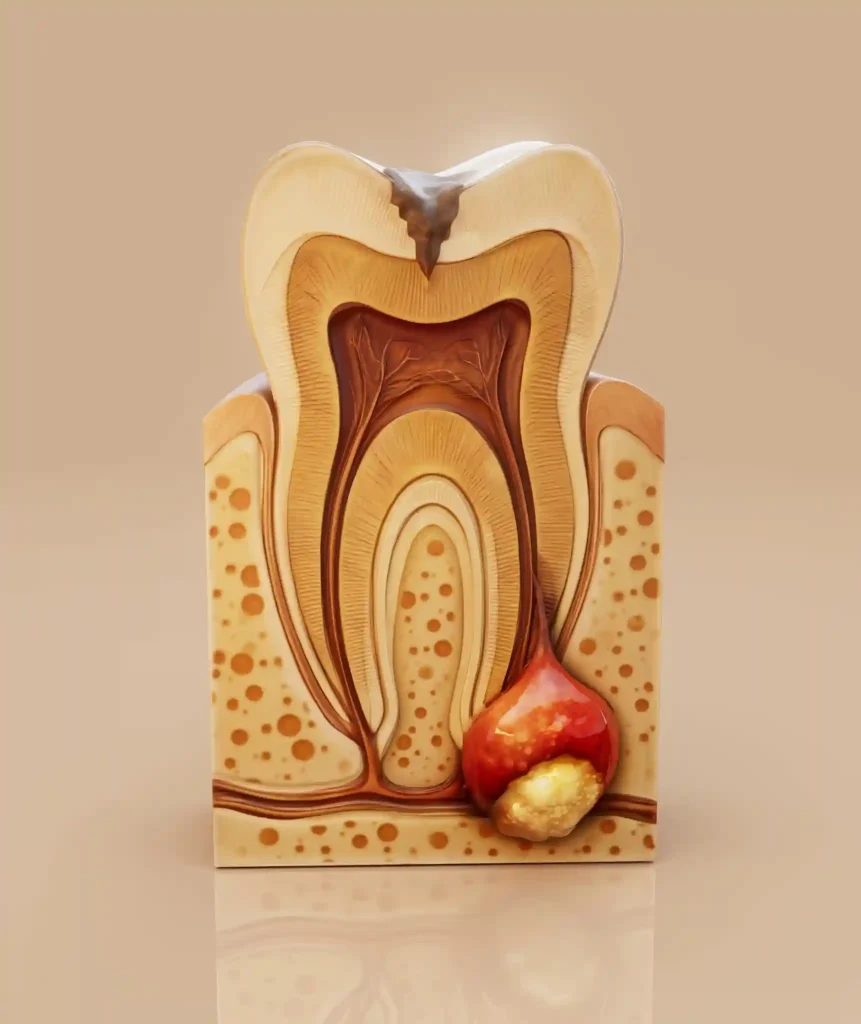
Recognising dental abscess symptoms early is critical.
Common signs include:
Facial swelling combined with fever requires immediate professional care.
While professional care is essential, temporary measures may help:
Do not attempt dental abscess drainage at home. This can worsen infection and cause complications.
Ignoring a dental abscess can lead to:
If you are searching how to get rid of dental abscess, professional care is essential. Home remedies cannot eliminate the infection source.
We are located at Marketplace Warner, Brisbane, and provide urgent care for dental infections.
A dental abscess should never be ignored. Prompt treatment protects your oral and general health.
📞 Call Warner Dental today to arrange a same-day emergency appointment.
Outcomes vary between patients, and all treatments carry risks and possible complications.
Protect your smile with regular care at Warner Dental.
No. A dental abscess will not resolve permanently without treatment. Pain may temporarily reduce if drainage occurs, but the infection remains and can spread to surrounding tissues.
A dental abscess forms due to bacterial infection inside the tooth or gum. Even if symptoms lessen, bacteria continue damaging tissue. Without dental abscess treatment, infection may extend to bone or facial spaces. Prompt care removes the infection source and prevents complications.
Seek professional treatment as soon as swelling or persistent pain develops.
Yes. A dental abscess is considered a dental emergency because it involves active infection that can spread rapidly and cause serious health complications if untreated.
Infections in the mouth can extend into facial spaces and, in rare cases, affect breathing or overall health. Severe swelling, fever, or difficulty swallowing require urgent assessment. Early intervention reduces risk and supports faster recovery.
Contact your dentist immediately if you experience swelling or fever.
Dentists treat a dental abscess by draining infection, performing root canal therapy if the tooth is restorable, or extracting the tooth if necessary. Antibiotics may be prescribed in certain cases.
Dental abscess treatments aim to remove the source of infection. Drainage relieves pressure and pain. Root canal therapy eliminates infected tissue inside the tooth. If structural damage is severe, extraction may be required. Antibiotics alone are not a complete solution.
Follow all aftercare instructions to support healing and prevent recurrence.
Antibiotics may reduce swelling and infection temporarily, but they do not remove the underlying cause. Definitive treatment is required to eliminate the source of infection.
Antibiotics support immune response but cannot remove infected pulp or deep bacterial reservoirs. Without drainage or appropriate dental treatment, infection may return. Proper clinical management is essential for full resolution.
Do not rely on antibiotics alone, attend your dental appointment.
Early dental abscess symptoms often include throbbing tooth pain, gum tenderness, mild swelling, or sensitivity when biting. Symptoms may worsen if untreated.
Pain may initially come and go before becoming constant. Swelling or pus discharge indicates advancing infection. Early recognition improves treatment outcomes and reduces risk of spread.
Arrange prompt assessment if pain persists beyond 24–48 hours.
Prevention includes maintaining good oral hygiene, attending regular dental check-ups, treating decay early, managing gum disease promptly, and wearing a mouthguard during sports to reduce trauma risk.
Most dental abscesses develop from untreated decay or gum infection. Routine professional care allows early detection and treatment before bacteria reach the tooth nerve. Preventive measures reduce the likelihood of emergency infection.
Attend regular check-ups even if you are not experiencing symptoms.
Prompt assessment and treatment to relieve discomfort and address the underlying cause.
Repairing damaged teeth to restore function and protect against further problems.
Fast adjustments or repairs to restore comfort and usability.
Urgent care for injuries caused by accidents, sports, or unexpected impacts.
Immediate treatment of infection to relieve pain and prevent complications.
Replacing or repairing restorations to protect exposed teeth.
Identifying and managing the cause of sudden or ongoing tooth sensitivity.
Gentle treatment to relieve pain and support proper healing after extraction.
Assessment of persistent sores and thorough screening for early detection of oral abnormalities.