
For routine visits, emergencies, and general enquiries
Get Direction
Toothache Dental Pain Management
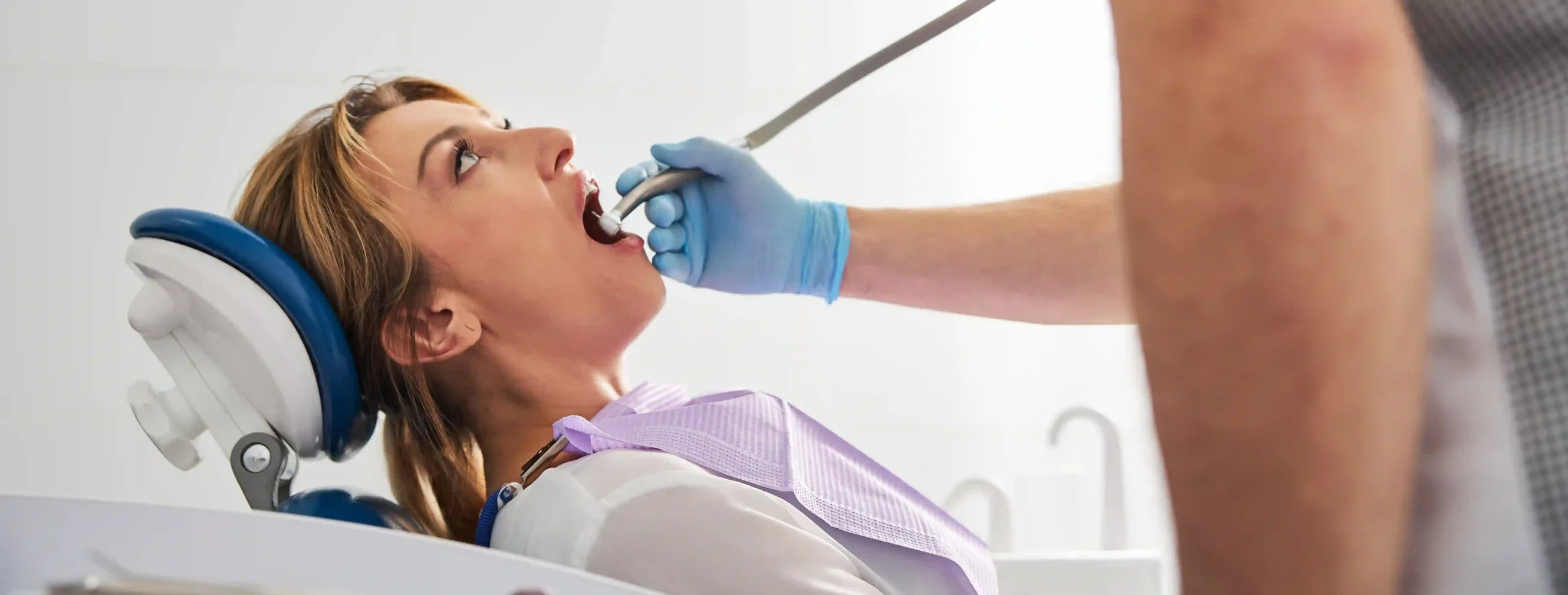
Toothache can range from mild sensitivity to sharp, throbbing, or constant pain. While some people look for ways to ease the discomfort at home, a toothache that persists often signals an underlying problem that needs professional care.
At Warner Dental in Warner and North Brisbane, we provide prompt, evidence-based treatment focused on relieving your pain and finding its cause. Our aim is to ease the discomfort quickly while treating the underlying problem to protect your long-term oral health. Book an appointment or call (07) 3882 3200.
Finding the cause of the pain is the first step toward treating it effectively. A toothache may be caused by:
Because these problems can cause similar symptoms, a professional examination is needed to identify the exact cause.
Many people search for how to relieve a toothache at home. The steps below may reduce discomfort for a short time, but they do not treat the cause, and they are not a substitute for seeing a dentist.
If your pain is severe, persistent, or comes with swelling or fever, you should be seen promptly, as this can indicate a spreading infection.
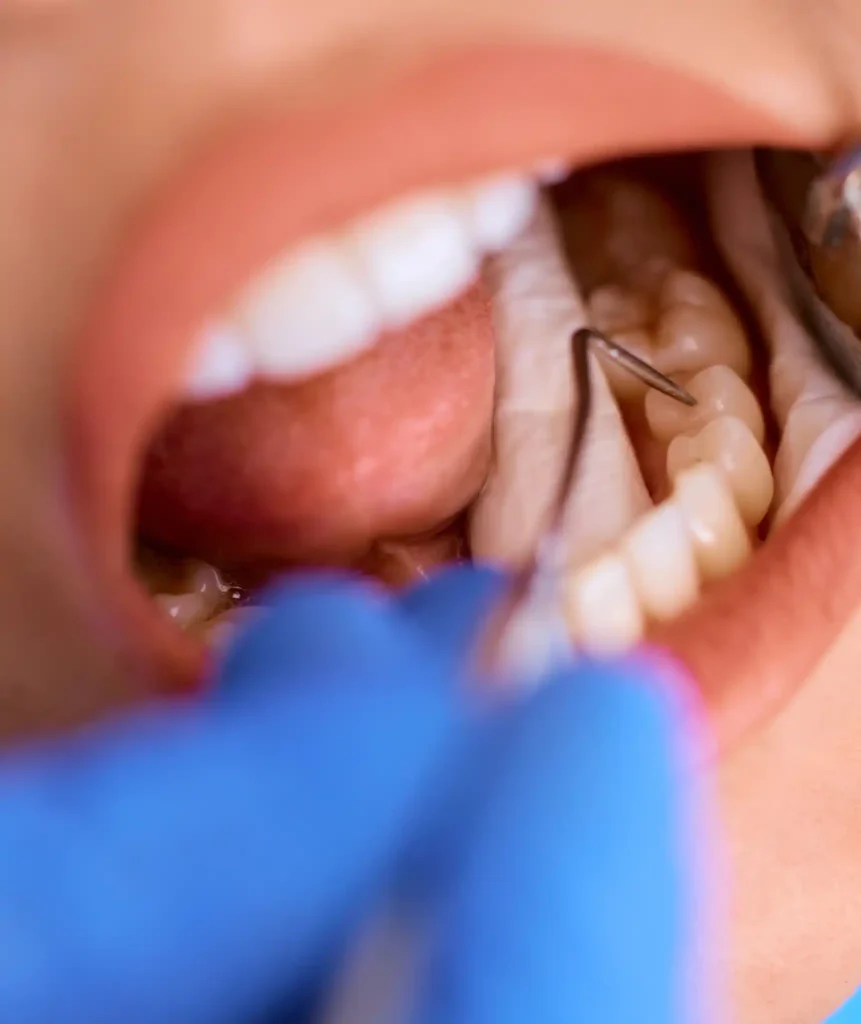
Our focus is on long-term toothache relief, not just masking symptoms.
If you need urgent help, see our emergency dentist in Warner page.
Depending on your diagnosis, treatment may involve:
Every recommendation is tailored to your individual clinical needs.
Ignoring a toothache can lead to:
Prompt professional care helps relieve the pain safely and reduces the risk of complications later.
After treatment, we may recommend:
Preventive care is the most effective way to reduce future episodes of dental pain.
We are located at Marketplace Warner in Brisbane and support patients with both urgent and ongoing dental concerns.
A toothache should not be ignored. Severe or persistent pain may indicate infection or another problem that needs attention. Book an appointment or call (07) 3882 3200.
Protect your smile with regular care at Warner Dental.
FAQs
For short-term comfort before you can see a dentist, rinsing with warm salt water, using a cold compress on the outside of the cheek, and taking over-the-counter pain relief as directed may help. These measures ease the symptoms but do not treat the cause. If the pain is severe or ongoing, it is important to be assessed promptly.
Sudden tooth pain can be caused by decay reaching the sensitive inner part of the tooth, a crack or fracture, a lost or damaged filling, an infection or abscess, or a wisdom tooth pushing through. Because these causes feel similar, an examination and often an X-ray are needed to tell them apart and treat the right problem.
You should see a dentist if the pain lasts more than a day or two, keeps returning, is severe, or comes with swelling, fever, or a bad taste in the mouth. Swelling that spreads to the face or neck, or difficulty swallowing or breathing, needs urgent care. When in doubt, it is safer to be assessed than to wait.
Sometimes the pain eases for a while, but this does not always mean the problem has resolved. In some cases the nerve inside the tooth has been affected, and the underlying issue continues even without pain. Because of this, a toothache that settles on its own should still be checked so the cause can be identified.
Home measures such as salt water rinses or a cold compress can offer temporary comfort, but they are not a treatment and should not replace seeing a dentist. Some popular remedies have little evidence behind them and may irritate the gum or delay proper care. Use them only as a short-term step while you arrange an appointment.
In many cases yes, because an X-ray helps show what is happening below the surface, such as decay between teeth, infection at the root, or a problem with a wisdom tooth. It allows the dentist to diagnose the cause accurately and recommend the right treatment. Your dentist will explain why any imaging is needed.
The dentist will ask about your symptoms, examine the tooth and surrounding area, and usually take an X-ray to find the cause. Where possible, they will provide relief on the day, which may include settling an infection, stabilising the tooth, or arranging definitive treatment. You will have the findings and options explained so you can decide how to proceed.
Services
Prompt assessment and treatment to relieve discomfort and address the underlying cause.
Repairing damaged teeth to restore function and protect against further problems.
Fast adjustments or repairs to restore comfort and usability.
Urgent care for injuries caused by accidents, sports, or unexpected impacts.
Immediate treatment of infection to relieve pain and prevent complications.
Replacing or repairing restorations to protect exposed teeth.
Identifying and managing the cause of sudden or ongoing tooth sensitivity.
Gentle treatment to relieve pain and support proper healing after extraction.
Assessment of persistent sores and thorough screening for early detection of oral abnormalities.